


Haberler

How to Identify Genuine vs. Fake Gemstones: A Buyer’s Guide

Perde Arkası: S-Brillet Takı Yaratım Süreci

Kristal Enerjisinin Bilimi: İnsanlar Neden İyileştirici Güçlerine İnanıyor?

Neden El Yapımı Takılar Yatırıma Değerdir?

Gümüş Takılardaki Kararmayı Onlara Zarar Vermeden Nasıl Giderirsiniz?

Kamera Arkası: El Yapımı Takı Üretiminin Yolculuğu

Mükemmel Yüzük Nasıl Seçilir: Adım Adım Kılavuz

Gerçek ve Sahte Değerli Taşlar Nasıl Ayırt Edilir: Bir Alıcı Rehberi

Ham ve Cilalı Kristaller Nelerdir? Farklar ve Faydaları

Takı Katmanlama Sanatı: Yüzükler, Kolyeler ve Bilezikler

Değerli Taş Takı Yapımında Nihai Rehber: Ham Taştan Göz Kamaştırıcı Parçaya

Kuyumculuk Sektöründe Etik Tedarik Neden Önemlidir?
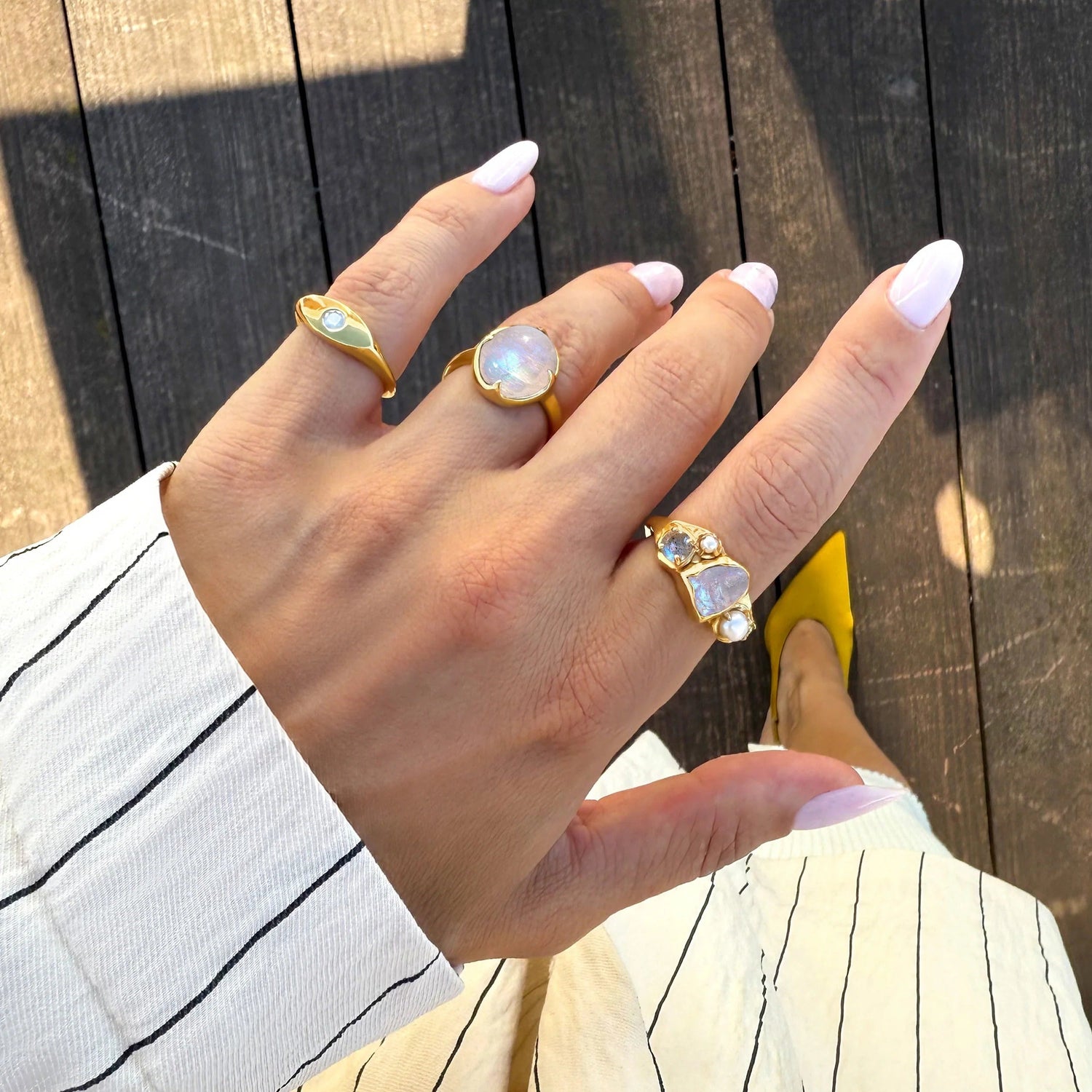
How to Identify Genuine vs. Fake Gemstones: A Buyer’s Guide
When purchasing gemstones, whether for jewelry or personal collection, it’s essential to know whether you’re investing in a genuine or fake stone. With synthetic, treated, and imitation gemstones becoming more common, distinguishing real from fake can be tricky, especially for those unfamiliar with gemstone characteristics.
This guide will help you understand the key differences between real and fake gemstones, common industry practices, and how to make informed purchasing decisions.
1. Understanding the Difference: Natural, Treated, Synthetic & Fake Gemstones
Before identifying a genuine gemstone, it’s important to understand the different categories of stones available in the market:
- Natural Gemstones: These are mined from the earth and formed naturally. They may have slight imperfections, inclusions, or color variations, which can be signs of authenticity.
- Treated Gemstones: These are natural stones that have undergone enhancements such as heat treatment, dyeing, or irradiation to improve color or clarity. Treated gems are real but have been altered.
- Synthetic Gemstones: Lab-created gems with the same chemical and physical properties as natural stones. They are not fake but are man-made rather than naturally formed.
- Imitation or Fake Gemstones: These stones do not have the same composition as the genuine gemstone they mimic. They are often made from glass, plastic, or composite materials.
Now that you know the different types of gemstones, let’s explore how to identify real vs. fake ones.
2. How to Identify Genuine vs. Fake Gemstones
Check the Color & Transparency
- Genuine gemstones have natural color variations and inclusions. If a stone looks too perfect, too bright, or too uniform in color, it may be fake or synthetic.
- Some treated gems have enhanced color that appears more vibrant than their natural counterparts. For example, untreated Amethyst has soft purple hues, while heat-treated Amethyst may appear intensely purple.
- Completely flawless stones are rare. Natural stones often have tiny inclusions or irregularities under magnification.
Examine the Surface & Texture
- Real gemstones have a natural hardness. If a stone scratches easily, it could be an imitation made of glass or plastic.
- Use the scratch test on softer materials (with caution). For example, a genuine Quartz can scratch glass, but a fake one will not.
- Check for bubbles inside the stone, these are often a sign of glass imitations.
Assess the Weight & Temperature
- Natural gemstones feel heavier than fake ones because they are denser. A plastic or glass imitation will feel much lighter than the real stone.
- Real gemstones stay cool to the touch even in warm conditions, whereas plastic and glass tend to warm up quickly.
Use a Magnifying Glass or Loupe
- Jewelers use a 10x magnification loupe to check for inclusions, which are tiny imperfections inside the stone.
- Fake stones or synthetic gems often appear too perfect with no inclusions or display unnatural-looking air bubbles.
Perform the Light Test
- Hold the stone up to the light and observe how it reflects light.
- Some real gemstones, like Turquoise and Lapis Lazuli, appear more opaque, while others, like Emerald and Peridot, have some transparency with slight inclusions.
- Fake stones may have an artificial shine or show unnatural light reflections.
Check for Dyed or Treated Stones
- Some real stones, like Quartz, Turquoise, and Jade, are often dyed to enhance their color.
- A simple test is to rub the stone with a cotton swab dipped in acetone (nail polish remover)—if the color comes off, it has been dyed.
Ask for Certification
- Reputable sellers provide gemstone certifications from recognized institutions like GIA (Gemological Institute of America) or IGI (International Gemological Institute).
- Always ask for documentation when purchasing high-value stones like Ruby, Emerald, or Aquamarine.
3. Common Fake Gemstones & How to Spot Them
Here are some frequently imitated gemstones and tips to identify them:
- Amethyst: Real Amethyst has subtle color variations and natural inclusions, while fake Amethyst appears overly bright or uniform in color.
- Turquoise: Genuine Turquoise is opaque with natural veining (matrix patterns), while fake Turquoise is often dyed Howlite or plastic.
- Emerald: Real Emeralds have tiny natural fractures (jardin inclusions), while synthetic or fake versions are too clear and perfect.
- Citrine: Natural Citrine has a golden-yellow to honey color, while many fake Citrines are actually heat-treated Amethyst with deep orange tones.
- Ruby: Genuine Ruby is extremely rare and has internal inclusions. Fake Rubies often appear too red, glassy, or completely clear.
- Lapis Lazuli: Real Lapis has golden pyrite flecks, while fake versions are dyed and lack the natural metallic specks.
Final Thoughts
Distinguishing between genuine and fake gemstones is essential for making an informed purchase. Natural gemstones will always have minor imperfections, inclusions, or natural variations, while synthetic or fake stones tend to look too perfect.
If you’re looking for authentic, high-quality gemstone jewelry, explore ethically sourced sterling silver rings, bracelets, and necklaces featuring real, untreated gemstones. Always trust your intuition, do your research, and buy from reputable sources to ensure you get a beautiful and genuine piece.

Perde Arkası: S-Brillet Takı Yaratım Süreci
Mücevher sadece bir aksesuardan daha fazlasıdır; işçiliğin, tutkunun ve sanatın bir yansımasıdır. S-Brillet'te her mücevher parçası hassasiyetle, yüksek kaliteli malzemelerle ve mükemmelliğe olan derin bir bağlılıkla üretilir. Peki, çarpıcı yüzüklerimizin, kolyelerimizin ve bilekliklerimizin yaratılmasında neler olduğunu hiç merak ettiniz mi? Ham maddelerden bitmiş şahesere kadar S-Brillet mücevherlerinin yolculuğuna perde arkasından bir göz atın.
1. En İyi Malzemelerin Tedariki
Her enfes parçanın temeli, en yüksek kaliteli malzemelerin tedariki ile başlar. Kristallerimiz ve metallerimiz dünya genelindeki güvenilir tedarikçilerden gelir:
- Gümüş ve Altın – Dayanıklılık ve zamansız parlaklık için Çin'den etik olarak temin edilmiştir.
- Değerli Taşlar – Brezilya'dan Ametist, Kolombiya'dan Zümrüt ve İran'dan Turkuaz dahil olmak üzere dünyanın çeşitli yerlerinden özenle seçilmiştir.
Her taşın saflık, parlaklık ve etik kaynak standartlarımızı karşıladığından emin oluruz.
2. Metallerin Rafine Edilmesi ve Hazırlanması
Tedarik edildikten sonra metaller, safsızlıkları gidermek ve dayanıklılıklarını artırmak için bir rafinasyon sürecinden geçer. Eritme ve alaşımlama yoluyla, değerli taşlarımız için mükemmel bir zemin görevi gören güçlü, parlak metaller yaratırız.
3. Değerli Taşların Şekillendirilmesi ve Kesilmesi
Yetenekli zanaatkarlarımız, doğal güzelliğini artırmak için her değerli taşı dikkatlice keser, parlatır ve şekillendirir. İster Hindistan'dan derin kırmızı bir Lal taşı ister Sri Lanka'dan parıldayan bir Aytaşı olsun, her taş parlaklığı ve enerjisi için elle seçilir.
4. Mücevherin El Yapımı İşçiliği
Her S-Brillet mücevheri, titiz bir detay dikkatle üretilir. Uzmanlarımız:
- Değerli taş için mükemmel bir uyum sağlamak üzere metal yuvaları elle şekillendirir.
- Her bir bileşeni dikkatlice bir araya getirerek, yüzüğün, kolyenin veya bilekliğin yapısal olarak sağlam olduğundan emin olur.
- Değerli taşların parlaklığını en üst düzeye çıkarmak için hassas yerleştirme teknikleriyle sabitler.
5. Son Dokunuş: Parlatma ve Kaplama
Kusursuz bir parlaklık elde etmek için her parça birden fazla parlatma turundan geçer. Daha sonra, mücevhere imza niteliğindeki lüks görünümünü veren 18K altın, roze altın veya beyaz altın koruyucu kaplama uygularız.
6. Kalite Kontrol ve Sertifikasyon
Müşterilerimize ulaşmadan önce, her parça titiz bir kalite kontrolünden geçer. Şunlardan emin oluruz:
- Değerli taşlar güvenli bir şekilde yerleştirilmiştir.
- Metaller mükemmel bir şekilde parlatılmıştır.
- Parça, dayanıklılık ve parlaklık için endüstri standartlarını karşılar.
Ayrıca, seçilmiş parçalar için orijinalliklerini ve kalitelerini garanti eden GIA (Amerika Gemoloji Enstitüsü) sertifikası da sağlıyoruz.
7. Lüks Ambalaj ve Teslimat
Son olarak, mücevherlerimiz kapınıza gönderilmeden önce zarif, koruyucu bir ambalaja yerleştirilir. Ambalajımız sadece koruma için değil, aynı zamanda kutu açma deneyimini geliştirmek için tasarlanmıştır; çünkü her S-Brillet parçası size özel hissettirmeyi amaçlar.
Güvenebileceğiniz İşçilik
S-Brillet olarak, mücevherin sadece güzel olmaktan öte, anlam, zarafet ve istisnai işçilik taşıması gerektiğine inanıyoruz. Her yüzük, kolye ve bileklik, sanatın, tutkunun ve adanmışlığın bir hikayesini anlatır.
El yapımı lüksün güzelliğini keşfedin ve yolculuğunuzu tamamlayacak mükemmel parçayı bulun. Koleksiyonumuzu bugün keşfedin!
Kristal Enerjisinin Bilimi: İnsanlar Neden İyileştirici Güçlerine İnanıyor?
Kristaller, yüzyıllardır çeşitli kültürlerde güzellikleri, sembolizmleri ve enerji verici olduğuna inanılan özellikleri nedeniyle kullanılmıştır. Ancak neden bu kadar çok insan şifa, denge ve ruhsal bağlantı için bu doğal taşlara yöneliyor? Gelin, kristal enerjisinin büyüleyici dünyasını, arkasındaki bilimi ve insanların güçlerine neden inanmaya devam ettiğini keşfedelim.
Kristallerdeki Enerji
Kristaller, Dünya'nın derinliklerinde yoğun basınç ve ısı altında oluşur, bu da onlara oldukça düzenli bir atomik yapı kazandırır. Bu yapı, kristallerin stabil bir frekansta titreşmesini sağlar; bu olaya Piezoelektrik Etki denir. Bu etki, kuvarsın saatlerde ve elektronikte faydalı olmasını sağlayan prensiple aynıdır – basınç uygulandığında, kristaller elektrik yükü üretir. Bazıları, bu benzersiz titreşimin kristallerin vücudun enerji alanı veya aurasıyla etkileşime girerek denge ve iyileşmeyi desteklediğine inanır.
İnancın Gücü ve Plasebo Etkisi
Kristal şifa üzerine bilimsel kanıtlar sınırlı olsa da, araştırmacılar plasebo etkisini incelemişlerdir; bu etki, yalnızca inancın vücutta gerçek, olumlu değişiklikler yaratabileceğini göstermektedir. Ünlü bir çalışmada, sahte kristaller tutan ancak kendilerine gerçek olduğu söylenen katılımcılar yine de rahatlama, sıcaklık ve enerji değişiklikleri yaşamışlardır. Bu da, zihnin kristal enerjisini deneyimleme biçimimizde kritik bir rol oynadığını düşündürmektedir.
İnsanlar Şifa İçin Kristalleri Nasıl Kullanır?
Birçok kişi, kristallerin negatif enerjiyi emmeye ve pozitif titreşimleri yükseltmeye yardımcı olduğuna inanır. İşte insanların onları kullandığı bazı yaygın yollar:
- Meditasyon ve Farkındalık – Meditasyon yaparken Ametist veya Pembe Kuvars gibi bir kristal tutmak, odağı ve rahatlamayı derinleştirmeye yardımcı olabilir.
- Çakra Dengelemesi – Kalp veya üçüncü göz gibi vücudun enerji merkezlerine kristaller yerleştirmek, tıkanıklıkları gidermeye ve dengeyi yeniden sağlamaya yardımcı olduğuna inanılır.
- Takı ve Günlük Kullanım – Değerli taş yüzükler, kolyeler veya bileklikler takmak, kristalin enerjisini gün boyunca yakınınızda tutar.
- Ev ve Alan Temizliği – Birçok kişi evlerinde veya çalışma alanlarında kristaller yerleştirerek sakinleştirici ve koruyucu bir atmosfer yaratır.
Popüler Kristaller ve İnanılan Faydaları
- Ametist – Sakinliği, ruhsal farkındalığı ve daha iyi uykuyu teşvik etmesiyle bilinir.
- Pembe Kuvars – Aşk, duygusal şifa ve öz şefkat ile ilişkilidir.
- Sitrin – Başarıyı, neşeyi ve pozitif enerjiyi çektiğine inanılır.
- Siyah Obsidyen – Negatif enerjiye karşı korunmak için kullanılır.
- Lapis Lazuli – Sezgiyi ve iletişimi geliştirmeye yardımcı olur.
Bilim ve Maneviyat Buluşuyor
Neden El Yapımı Takılar Yatırıma Değerdir?
Seri üretim takılarla dolu bir dünyada, el yapımı parçalar gerçek zanaatkarlığın eserleri olarak öne çıkıyor. Her el yapımı yüzük, bileklik veya kolye bir hikaye anlatır, yetenekli sanatı yansıtır ve eşsiz kalite sunar. Peki, el yapımı takıya yatırım yapmaya neden değer? İşte zanaatkar yapımı takıları anlamlı ve değerli bir seçim yapan nedenler.
1. Üstün İşçilik ve Detaylara Özen
El yapımı takılar, her parçaya zamanlarını ve uzmanlıklarını adayan yetenekli zanaatkarlar tarafından yaratılır. Makineler tarafından toplu olarak üretilen seri üretim takıların aksine, el yapımı parçalar detaylı bir işleme sürecinden geçer.
- Her değerli taş ayrı ayrı yerleştirilir, güvenli ve uzun ömürlü bir tutuş sağlar.
- Zanaatkarlar, 925 ayar gümüş ve otantik değerli taşlar gibi yüksek kaliteli malzemeleri özenle seçer.
- Son işlem elle yapılır, makine üretiminin eşleşemeyeceği bir hassasiyet ve dayanıklılık seviyesi sağlar.
El yapımı takıya yatırım yapmak, ömür boyu sürecek kaliteyi seçmek demektir.
2. Eşsiz ve Benzersiz Tasarımlar
El yapımı takıların en önemli avantajlarından biri benzersizliğidir. Birbirinin aynısı olan fabrika yapımı parçaların aksine, el yapımı takılar her parçayı gerçekten özel kılan ince farklılıklar içerir.
- Hiçbir Aytaşı yüzük veya Turkuaz bileklik birbirinin tamamen aynısı değildir.
- Zanaatkarlar, her tasarıma yaratıcılık ve özgünlük katarak, kendine özgü bir görünüm sağlar.
- Birçok el yapımı takı parçası, bireysel tercihlere göre özelleştirilebilir.
El yapımı takı takmak, nadir ve özel tasarımlar aracılığıyla kendini ifade etme imkanı sunar.
3. Etik ve Sürdürülebilir Tedarik
Seri üretim takılar genellikle etik olmayan işçilik uygulamaları ve sürdürülemez tedarikle ilişkilendirilir. Öte yandan, el yapımı takılar genellikle sorumlu malzeme tedarikini ve etik üretim yöntemlerini öncelikli tutan zanaatkarlar tarafından yapılır.
- Birçok zanaatkar, çatışmasız değerli taşlar ve sorumlu kaynaklardan elde edilen metaller kullanır.
- El yapımı takı markaları genellikle zanaatkarları için adil ücretleri ve etik çalışma koşullarını destekler.
- Küçük ölçekli üretim, atığı azaltır ve seri üretime kıyasla daha sürdürülebilir bir seçim olmasını sağlar.
El yapımı takı seçmek, sorumlu ve etik bir satın alma yapmak demektir.
4. Zanaatkarları ve Küçük İşletmeleri Destekleme
El yapımı takı satın alırken, büyük şirketler yerine doğrudan bağımsız zanaatkarları ve küçük işletmeleri desteklemiş olursunuz.
- Satın almanız, zanaatkarların mesleklerini sürdürmelerine ve geleneksel takı yapım tekniklerini korumalarına yardımcı olur.
- Küçük işletmeler, yerel ekonomik büyümeye katkıda bulunarak topluluklarına yeniden yatırım yaparlar.
- Her parça, kar amacıyla seri üretilmek yerine, tutku ve özenle yapılır.
El yapımı takıyı desteklemek, yetenekli zanaatkarlığı ve sanatı sürdürmeye yardımcı olur.
5. Uzun Ömürlü Takılar İçin Yüksek Kaliteli Malzemeler
Gümüş Takılardaki Kararmayı Onlara Zarar Vermeden Nasıl Giderirsiniz?
Gümüş takılar zamansız ve zariftir, ancak zamanla donuk, koyu bir kararmaya maruz kalabilirler. Bu durum havaya, neme ve bazı kimyasallara maruz kalmaktan kaynaklanır. İyi haber şu ki, kararmış gümüş takılarınız zarar görmeden kolayca temizlenebilir. İster çok sevdiğiniz bir 925 ayar gümüş yüzüğünüz, ister narin bir gümüş bilekliğiniz veya dikkat çekici bir kolyeniz olsun, parlaklığını güvenli ve etkili bir şekilde geri kazanmanız için bir rehber hazırladık.
Gümüş Neden Kararır?
Kararma, gümüşün havadaki kükürt içeren bileşiklerle reaksiyona girerek, metal üzerinde koyu bir kaplama olarak görünen gümüş sülfür oluşturmasıyla meydana gelir. Kararmanın yaygın nedenleri şunlardır:
- Nem ve Islaklık: Suya, tere ve yüksek neme maruz kalmak kararmayı hızlandırabilir.
- Kimyasallar ve Güzellik Ürünleri: Parfümler, losyonlar ve temizlik ürünleri gümüşün kararmasına neden olabilir.
- Oksijen ve Kükürt Maruziyeti: Havada bulunan kirleticiler ve hatta bazı yiyecekler (yumurta ve soğan gibi) kararmaya katkıda bulunabilir.
Gümüş Takılardan Kararmayı Gidermek İçin Güvenli Yöntemler
1. Hafif Sabun ve Su (Hafif Kararmalar İçin)
Bu en nazik yöntemdir ve düzenli bakım için idealdir.
Adımlar:
- Birkaç damla hafif bulaşık sabununu ılık suyla karıştırın.
- Gümüş takılarınızı birkaç dakika içinde bekletin.
- Yumuşak bir diş fırçası veya mikrofiber bez kullanarak kararmayı nazikçe ovun.
- Temiz suyla durulayın ve yumuşak bir bezle kurulayın.
En İyisi: Rutin temizlik ve hafif kararmış takılar için.
2. Karbonat ve Su Macunu (Orta Dereceli Kararmalar İçin)
Karbonat, gümüşü çizmeden kararmayı temizlemeye yardımcı olan doğal, aşındırıcı olmayan bir temizleyicidir.
Adımlar:
- İki kısım karbonatı bir kısım suyla karıştırarak bir macun oluşturun.
- Yumuşak bir bez veya sünger kullanarak macunu kararmış bölgelere nazikçe sürün.
- Birkaç dakika bekletin, ardından ılık suyla durulayın.
- Yumuşak, tüy bırakmayan bir bezle iyice kurulayın.
En İyisi: Orta dereceli kararmaları gümüşe zarar vermeden gidermek için.
Kamera Arkası: El Yapımı Takı Üretiminin Yolculuğu
El yapımı takılar bir aksesuardan çok daha fazlasıdır; tutku, beceri ve gelenekle harmanlanmış bir sanat eseridir. Seri üretim parçaların aksine, el yapımı takılar, malzemelerin özenli seçiminden her bir değerli taşın şekillendirilmesi, yerleştirilmesi ve cilalanmasına kadar benzersiz bir hikaye taşır. Bu sahne arkası görünümünde, her parçayı gerçekten özel kılan zanaatkarlığı ve sanatı kutlayarak, el yapımı yüzük, kolye ve bilezik yaratmanın büyüleyici yolculuğunu keşfediyoruz.
1. Adım: En İyi Malzemelerin Seçimi
Yolculuk, yüksek kaliteli metallerin ve etik olarak tedarik edilen değerli taşların seçilmesiyle başlar. Her tasarımın kalbinde, dayanıklılığı ve zamansız güzelliğiyle bilinen 925 ayar gümüş bulunur. Metali tamamlayan, her biri benzersiz enerjiler ve sembolizm taşıyan özenle seçilmiş değerli taşlardır.
El yapımı takılarda kullanılan popüler değerli taşlar şunlardır:
- Kırmızı Lal (Hindistan): Tutku ve güç taşıdır.
- Ametist (Brezilya): Sakinleştirici ve koruyucu özellikleriyle bilinir.
- Akuamarin (Brezilya): Berraklığı ve dinginliği sembolize eder.
- Beyaz Kuvars (Amerika Birleşik Devletleri): Güçlü bir enerji yükselticidir.
- Zümrüt (Kolombiya): Bilgelik ve yenilenmenin sembolüdür.
- Aytaşı (Sri Lanka): Sezgiyi ve dişil enerjiyi güçlendirir.
- Kırmızı Yakut (Tayland): Aşkı ve canlılığı temsil eder.
- Yeşil Peridot (Pakistan): Pozitiflik ve neşe taşıdır.
- Lapis Lazuli (Afganistan): Kendini ifade etme ve bilgeliğe ilham verir.
- Pembe Turmalin (Brezilya): Duygusal iyileşmeyi ve sevgiyi teşvik eder.
- Sitrin (İspanya): Refahı ve mutluluğu çeker.
- Turkuaz (İran): Koruma ve güç sunar.
- Yeşil Florit (Meksika): Zihinsel berraklığı ve odaklanmayı artırır.
- Gül Kuvars (Brezilya): Sevgi ve şefkatin nihai taşıdır.
- Siyah Obsidyen (İzlanda): Topraklayıcı ve koruyucu bir taştır.
Her değerli taş, kalitesini, orijinalliğini ve etik kaynak kullanımını sağlamak için dikkatlice incelenir.
2. Adım: Hassasiyet ve Yaratıcılıkla Tasarım
Malzemeler seçildikten sonra, takı tasarım süreci başlar. Tasarımcılar, taş yerleşimi, metal işçiliği ve genel estetik gibi unsurları göz önünde bulundurarak fikirleri çizerler.
Tasarım sürecini etkileyen faktörler şunlardır:
- Değerli Taş Şekli ve Kesimi: Taşın doğal yapısı, ham, kabaşon veya fasetli olup olmayacağını belirler.
- Yüzük, Kolye veya Bileklik Stili: Her parça, taşın güzelliğini artırmak ve takan kişinin tarzını tamamlamak için tasarlanmıştır.
- El Yapımı Detaylar: Takıya derinlik ve kişilik katan benzersiz oymalar, dokular veya metal desenler.
3. Adım: El İşçiliği Sanatı
Takı yapım süreci, tasarımları geleneksel ve modern tekniklerle hayata geçiren yetenekli zanaatkarları içerir. Her parça birkaç ana aşamadan geçer:
- Metal İşçiliği: Sterlin gümüş kesilir, şekillendirilir ve taban yapısına kalıplanır.
- Taş Yerleştirme: Değerli taş, bir çerçeveye, tırnağa veya tel sarılı bir yuvaya dikkatlice yerleştirilir.
- Parlatma ve Bitirme: Takı, pürüzsüz ve ışıltılı bir parlaklık vermek için mükemmelliğe ulaşana kadar parlatılır.
Makine yapımı parçaların aksine, el yapımı takılar detaylara dikkat edilmesini sağlar ve her ürünü eşsiz kılar.
4. Adım: Son Rötuşlar ve Kalite Kontrolü
Müşterilere ulaşmadan önce, her parça dayanıklılık ve işçiliği sağlamak için kapsamlı bir kalite kontrolünden geçer. Kuyumcular şunları inceler:
- Taş Güvenliği: Değerli taşın sıkıca yerleştirildiğinden emin olmak.
- Metal Mukavemeti: Herhangi bir zayıf nokta veya kusur olup olmadığını kontrol etmek.
- Genel Bitirme: Parlatma ve parlaklığın yüksek standartları karşıladığını doğrulamak.
Son adım, takının çevre dostu, zarif kutulara yerleştirilerek takılmaya ve değer verilmeye hazır hale getirildiği paketlemedir.
El Yapımı Takılar Neden Fark Yaratır?
El yapımı takılar, seri üretim parçaların kopyalayamayacağı bir özgünlük ve sanat duygusu taşır. İnsanların makine yapımı yerine el yapımını tercih etmelerinin bazı temel nedenleri şunlardır:
- Benzersizlik: İki parça asla tamamen aynı değildir.
- Yüksek Kaliteli İşçilik: Detaylara dikkat, uzun ömürlü dayanıklılığı sağlar.
- Etik ve Sürdürülebilir Tedarik: Adil ticaret ve çevre dostu uygulamalara destek.
- Kişiselleştirilmiş Anlam: Her parça bir hikaye anlatır ve enerji taşır.
Son Düşünceler: Sadece Bir Takıdan Daha Fazlası
El yapımı bir yüzük, kolye veya bileklik taktığınızda, sadece bir takı değil; bir sanat eseri, bir geleneğin sembolü ve toprağın enerjisiyle bir bağlantı takıyorsunuz. Her parça, onu yaratan zanaatkarların tutkusunu, becerisini ve adanmışlığını taşır ve bu da onu koleksiyonunuza gerçekten özel bir katkı yapar.
Mükemmel el yapımı değerli taş takınızı keşfetmeye hazır mısınız? Koleksiyonumuzu keşfedin ve size hitap eden bir parça bulun.
Mükemmel Yüzük Nasıl Seçilir: Adım Adım Kılavuz
Mükemmel yüzüğü seçmek heyecan verici ama bazen de bunaltıcı bir süreç olabilir. İster günlük bir aksesuar, ister anlamlı bir hediye veya gösterişli bir parça arıyor olun, doğru yüzüğü bulmak stil, uyum, malzemeler ve değerli taşlar hakkında bilgi sahibi olmayı gerektirir. Bu rehber, ihtiyaçlarınıza ve kişisel zevkinize mükemmel şekilde uyan bir yüzüğü adım adım nasıl seçeceğinizi size gösterecektir.
Adım 1: Yüzüğün Amacını Belirleyin
Yüzük seçmeden önce, neden satın aldığınızı düşünün. Farklı yüzük türleri, günlük kullanımdan duygusal hatıralara kadar farklı amaçlara hizmet eder.
- Günlük Yüzükler: Her kıyafete uyan sade bantlar veya değerli taşlı yüzükler.
- Gösterişli Yüzükler: Dikkat çekmek için tasarlanmış cesur tasarımlar.
- Sembolik Yüzükler: Manevi, astrolojik veya kişisel anlamı olan yüzükler.
- Hediye Yüzükler: Sevilen biri için düşünceli bir hediye.
Yüzüğün amacını bilmek, stil seçeneklerini ve malzemeleri daraltmanıza yardımcı olur.
Adım 2: Doğru Metali Seçin
Yüzüğün metali sadece görünümünü değil, dayanıklılığını da etkiler. İşte en popüler seçeneklerden bazıları:
- 925 Ayar Gümüş: Günlük kullanım için mükemmel, klasik ve dayanıklı bir seçenektir.
- Altın (Sarı, Beyaz veya Roze): Lüks ve zamansızdır ancak bakım gerektirebilir.
- Platin: Son derece dayanıklı ancak daha pahalıdır.
- Pirinç veya Bakır: Şık ve vintage'dır ancak zamanla kararabilir.
Gümüş, zarafet ve dayanıklılık açısından en iyi seçeneklerden biridir ve çeşitli yüzük stilleri için idealdir.
Gerçek ve Sahte Değerli Taşlar Nasıl Ayırt Edilir: Bir Alıcı Rehberi
Mücevher veya kişisel koleksiyon için değerli taş satın alırken, gerçek mi yoksa sahte bir taşa mı yatırım yaptığınızı bilmek çok önemlidir. Sentetik, işlenmiş ve taklit değerli taşların yaygınlaşmasıyla birlikte, gerçeği sahteden ayırmak, özellikle değerli taş özelliklerine aşina olmayanlar için zor olabilir.
Bu rehber, gerçek ve sahte değerli taşlar arasındaki temel farkları, yaygın endüstri uygulamalarını ve bilinçli satın alma kararları vermeyi anlamanıza yardımcı olacaktır.
1. Farkı Anlamak: Doğal, İşlenmiş, Sentetik ve Sahte Değerli Taşlar
Gerçek bir değerli taşı tanımlamadan önce, piyasada bulunan farklı taş kategorilerini anlamak önemlidir:
- Doğal Değerli Taşlar: Bunlar topraktan çıkarılan ve doğal olarak oluşan taşlardır. Hafif kusurlar, kapanımlar veya renk farklılıkları içerebilirler ki bunlar orijinalliğin işaretleri olabilir.
- İşlenmiş Değerli Taşlar: Bunlar renk veya berraklığı iyileştirmek için ısıtma, boyama veya ışınlama gibi işlemlerden geçmiş doğal taşlardır. İşlenmiş taşlar gerçektir ancak değiştirilmişlerdir.
- Sentetik Değerli Taşlar: Doğal taşlarla aynı kimyasal ve fiziksel özelliklere sahip laboratuvarda üretilmiş taşlardır. Sahte değillerdir, ancak doğal olarak oluşmak yerine insan yapımıdırlar.
- Taklit veya Sahte Değerli Taşlar: Bu taşlar taklit ettikleri gerçek değerli taşla aynı bileşime sahip değildir. Genellikle cam, plastik veya kompozit malzemelerden yapılırlar.
Artık farklı değerli taş türlerini bildiğinize göre, gerçek ile sahteyi nasıl ayırt edeceğimize bir göz atalım.
2. Gerçek ve Sahte Değerli Taşları Nasıl Tanımlanır
Renk ve Şeffaflığı Kontrol Edin
- Gerçek değerli taşlar doğal renk farklılıkları ve kapanımlar içerir. Bir taş çok mükemmel, çok parlak veya rengi çok tekdüze görünüyorsa, sahte veya sentetik olabilir.
- Bazı işlenmiş taşların rengi, doğal muadillerinden daha canlı görünecek şekilde güçlendirilmiştir. Örneğin, işlenmemiş Ametist yumuşak mor tonlara sahipken, ısıtılmış Ametist yoğun mor görünebilir.
- Tamamen kusursuz taşlar nadirdir. Doğal taşlar genellikle büyütme altında küçük kapanımlar veya düzensizlikler içerir.
Yüzeyi ve Dokuyu İnceleyin
- Gerçek değerli taşlar doğal bir sertliğe sahiptir. Bir taş kolayca çiziliyorsa, cam veya plastikten yapılmış bir taklit olabilir.
- Daha yumuşak malzemeler üzerinde çizik testi uygulayın (dikkatli olun). Örneğin, gerçek bir Kuvars camı çizebilir, ancak sahtesi çizemez.
- Taşın içinde kabarcık olup olmadığını kontrol edin, bunlar genellikle cam taklitlerinin bir işaretidir.
Ağırlığı ve Sıcaklığı Değerlendirin
- Doğal değerli taşlar, daha yoğun oldukları için sahte olanlardan daha ağır hissettirir. Bir plastik veya cam taklidi, gerçek taştan çok daha hafif hissettirecektir.
- Gerçek değerli taşlar, sıcak koşullarda bile dokunulduğunda serin kalırken, plastik ve cam hızla ısınma eğilimindedir.
Büyüteç veya Lünet Kullanın
- Kuyumcular, taşın içindeki küçük kusurlar olan kapanımları kontrol etmek için 10x büyütmeli bir lünet kullanır.
- Sahte taşlar veya sentetik mücevherler genellikle kapanım içermez ve çok mükemmel görünür veya doğal olmayan hava kabarcıkları gösterir.
Işık Testi Yapın
- Taşı ışığa tutun ve ışığı nasıl yansıttığını gözlemleyin.
- Turkuaz ve Lapis Lazuli gibi bazı gerçek değerli taşlar daha opak görünürken, Zümrüt ve Peridot gibi diğerleri hafif kapanımlarla bir miktar şeffaflığa sahiptir.
- Sahte taşlar yapay bir parlaklığa sahip olabilir veya doğal olmayan ışık yansımaları gösterebilir.
Boyalı veya İşlenmiş Taşları Kontrol Edin
- Kuvars, Turkuaz ve Yeşim gibi bazı gerçek taşlar, renklerini güzelleştirmek için sıklıkla boyanır.
- Basit bir test, taşı asetona (oje çıkarıcı) batırılmış pamuklu çubukla ovmaktır; renk çıkarsa boyanmıştır.
Sertifika İsteyin
- Güvenilir satıcılar, GIA (Gemological Institute of America) veya IGI (International Gemological Institute) gibi tanınmış kuruluşlardan değerli taş sertifikaları sağlar.
- Yakut, Zümrüt veya Akuamarin gibi yüksek değerli taşlar satın alırken her zaman belge isteyin.
3. Yaygın Sahte Değerli Taşlar ve Bunları Nasıl Tespit Edebilirsiniz?
İşte sıkça taklit edilen bazı değerli taşlar ve bunları tanımlamanıza yardımcı olacak ipuçları:
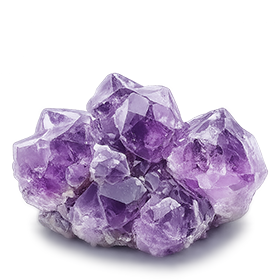
- Ametist: Gerçek Ametist ince renk farklılıklarına ve doğal kapanımlara sahipken, sahte Ametist aşırı parlak veya renkte tekdüze görünür.
- Turkuaz: Gerçek Turkuaz opak ve doğal damarlı (matris desenleri) iken, sahte Turkuaz genellikle boyanmış Hovlit veya plastiktir.
- Zümrüt: Gerçek Zümrütler küçük doğal çatlaklara (jardin kapanımları) sahipken, sentetik veya sahte versiyonlar çok şeffaf ve mükemmeldir.
- Sitrin: Doğal Sitrin altın sarısından bal rengine kadar tonlara sahipken, birçok sahte Sitrin aslında derin turuncu tonlara sahip ısıtılmış Ametisttir.
- Yakut: Gerçek Yakut son derece nadirdir ve iç kapanımlara sahiptir. Sahte Yakutlar genellikle çok kırmızı, cam gibi veya tamamen şeffaf görünür.
- Lapis Lazuli: Gerçek Lapis altın pirit beneklerine sahipken, sahte versiyonlar boyanmıştır ve doğal metalik beneklerden yoksundur.
Son Düşünceler
Gerçek ve sahte değerli taşları ayırt etmek, bilinçli bir satın alma işlemi için çok önemlidir. Doğal değerli taşlar her zaman küçük kusurlara, kapanımlara veya doğal farklılıklara sahipken, sentetik veya sahte taşlar çok mükemmel görünme eğilimindedir.
Otantik, yüksek kaliteli değerli taş takılar arıyorsanız, etik olarak tedarik edilmiş gümüş yüzükleri, bilezikleri ve gerçek, işlenmemiş değerli taşlar içeren kolyeleri keşfedin. Her zaman sezginize güvenin, araştırmanızı yapın ve güzel ve gerçek bir parçaya sahip olduğunuzdan emin olmak için güvenilir kaynaklardan alışveriş yapın.
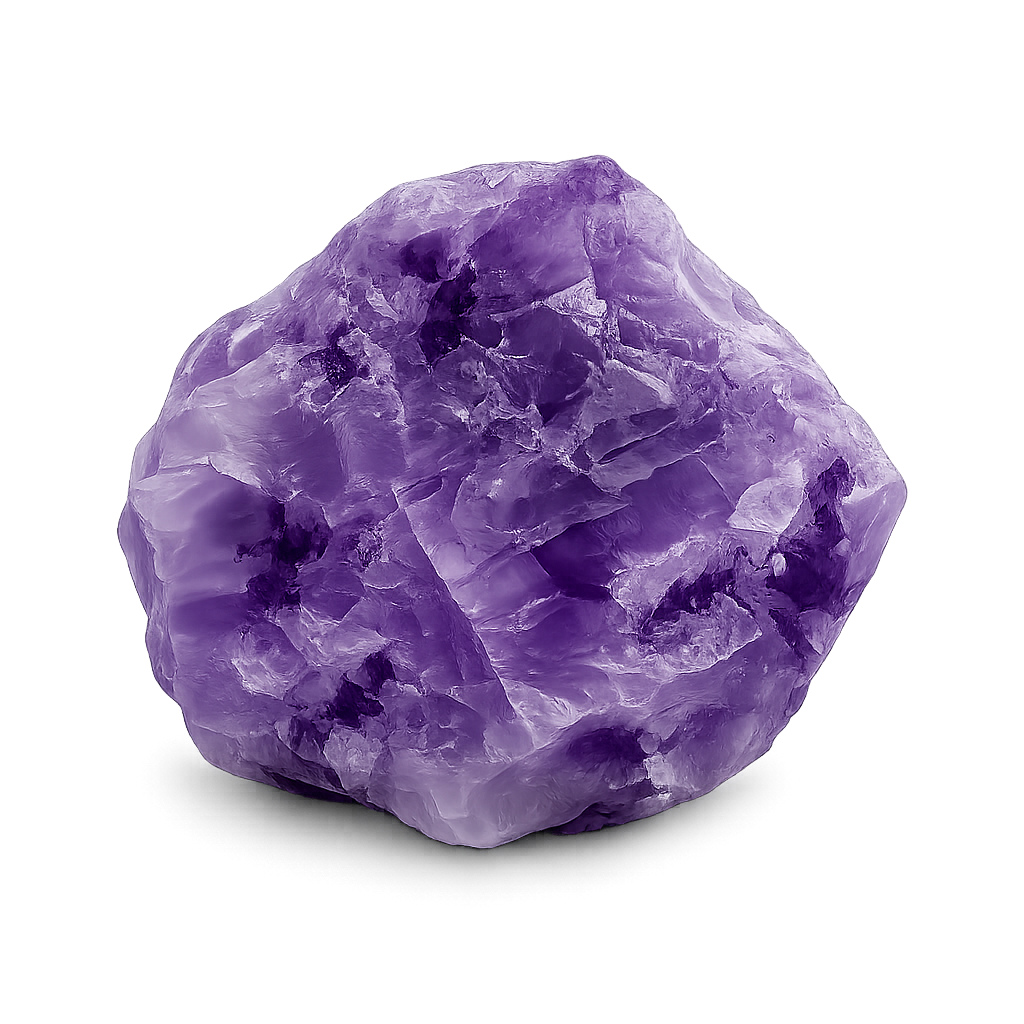
Ham ve Cilalı Kristaller Nelerdir? Farklar ve Faydaları
Kristaller güzellikleri ve enerjileriyle uzun zamandır beğenilmektedir, ancak ham veya işlenmiş olmaları fark etmeksizin formlarının nasıl kullanıldıklarını ve deneyimlendiklerini etkileyebileceğini biliyor muydunuz? Ham ve işlenmiş kristaller arasındaki farkları anlamak, ister manevi özelliklerine, ister estetik çekiciliğine, ister takılarda pratik kullanımına ilgi duyun, kişisel ihtiyaçlarınız için doğru olanı seçmenize yardımcı olabilir.
Ham Kristaller Nelerdir?
Doğal veya işlenmemiş taşlar olarak da bilinen ham kristaller, kesilmemiş ve cilalanmamış olup doğada bulundukları orijinal hallerini korurlar. Bu taşlar genellikle pürüzlü bir dokuya, düzensiz şekillere ve topraksı, dokunulmamış bir görünüme sahiptir. Birçok kristal meraklısı, ham taşların değiştirilmediği veya saflaştırılmadığı için daha güçlü ve saf bir enerji taşıdığına inanır.
Ham kristallerin temel faydalarından biri, güçlü, filtrelenmemiş enerjileridir; bu da onları meditasyon, tezahür ve enerji şifası gibi manevi uygulamalar için ideal hale getirir. Doğal hallerinde kaldıkları için, ortamı temizlemek ve dengelemek için genellikle kristal ızgaralarda, sunaklarda ve ev dekorasyonunda kullanılırlar.
Ham kristallerin bir başka avantajı da uygun fiyatlı olmalarıdır. Ek bir işlem gerektirmedikleri için genellikle cilalı taşlardan daha ucuzdurlar. Bu da onları yüksek bir yatırım yapmadan kristal koleksiyonu oluşturmak isteyenler için harika bir seçim yapar.
Ancak, ham kristaller daha kırılgan ve özellikle hassas oluşumlar içeriyorsa kırılmaya veya çatlamaya daha yatkın olabilir. Takı olarak günlük kullanım yerine, sergileme, ritüel çalışması veya dikkatlice bir kesede taşıma için daha uygundurlar.
Ham kristallerin popüler örnekleri arasında genellikle korunma, duygusal şifa ve aşk enerjisi için kullanılan Ametist, Siyah Obsidyen ve Pembe Kuvars bulunur.
Cilalı Kristaller Nelerdir?
Bazen tamburlanmış, fasetli veya kesilmiş taşlar olarak adlandırılan cilalı kristaller, görünümlerini ve kullanılabilirliklerini artırmak için pürüzsüzleştirilmiş ve şekillendirilmiştir. Bu taşlar kenarlarını yuvarlayan bir tamburlama işleminden geçebilir veya takılar için küreler, noktalar veya kabaşonlar gibi belirli şekillerde kesilebilir.
Cilalı kristallerin ana faydalarından biri estetik çekicilikleridir. Pürüzsüz, yansıtıcı yüzeyleri doğal güzelliklerini artırarak onları takı, dekoratif parçalar ve kişisel taşıma taşları için popüler bir seçim haline getirir.
Cilalı kristaller ayrıca ham taşlara göre tutması ve takması daha rahattır. Pürüzsüz dokuları onları yüzükler, kolyeler ve bilezikler için olduğu kadar meditasyon sırasında elde tutmak için de ideal kılar. Rafine görünümleri nedeniyle, cilalı taşlar genellikle hediye, endişe taşı ve evlerde ve ofislerde feng shui geliştirmeleri olarak kullanılır.
Ayrıca, cilalı taşlar ham kristallere göre daha dayanıklıdır. Pürüzsüzleştirme süreci yontulma veya kırılma riskini azaltarak onları günlük kullanım için daha iyi bir seçenek haline getirir.
Bazı popüler cilalı değerli taşlar arasında takı ve manevi uygulamalarda sıkça kullanılan Aytaşı, Lapis Lazuli ve Sitrin bulunur.
Ham ve Cilalı Kristaller: Hangisini Seçmelisiniz?
Ham ve cilalı kristaller arasında seçim yapmak kişisel tercihlerinize ve kullanım amacınıza bağlıdır. Daha güçlü, dokunulmamış bir enerji arıyorsanız, ham kristaller meditasyon, şifa ve manevi çalışma için daha iyi bir seçenek olabilir. Doğal formları dünyayla derinlemesine bağlantı kurarak onları topraklama ve enerji temizliği için güçlü araçlar haline getirir.
Öte yandan, zarif, rafine ve giyilebilir bir şey tercih ediyorsanız, cilalı taşlar mükemmel bir seçimdir. Takı, cepte veya çantada taşıma veya daha pürüzsüz bir yüzeyin tercih edildiği enerji çalışmalarında kullanım için mükemmeldirler.
Dayanıklılık açısından, cilalı kristaller genellikle daha güçlü ve hasara karşı daha dirençliyken, ham taşlar kırılgan olabilir ve daha dikkatli kullanım gerektirir.
Kristallerin estetik güzelliğinden hoşlananlar için, cilalı taşlar lüks ve zarif bir görünüm sunarken, ham taşlar doğal, rustik bir çekicilik yayar.
Sonuç olarak, en iyi yaklaşım, ihtiyaçlarınıza bağlı olarak her iki türü de koleksiyonunuza dahil etmek ve farklı şekillerde kullanmaktır. Örneğin, korunma için ön kapınızın yakınına ham bir Siyah Obsidyen yerleştirebilir, günlük enerji kalkanı için cilalı bir Siyah Obsidyen bilezik takabilirsiniz. Benzer şekilde, rahatlama için yatak odanızda ham bir Ametist kümesi tutabilir, gün boyunca sakinliği teşvik etmek için cebinizde cilalı bir Ametist taşı taşıyabilirsiniz.
Ham ve Cilalı Kristaller Birlikte Kullanılabilir mi?
Evet, ham ve cilalı kristaller birbirlerini güzelce tamamlar. Birçok kristal uygulayıcısı ve koleksiyoncusu, enerji çalışmalarının ve yaşam tarzlarının farklı yönlerini geliştirmek için her ikisini de kullanır. Ham bir kristalin doğal gücü, cilalı bir taşın rafine enerjisiyle dengelenerek uyumlu ve etkili bir kombinasyon yaratılabilir.
Örneğin, öz sevgi ve şifa üzerinde çalışıyorsanız, evde derin duygusal çalışmalar için ham bir Pembe Kuvars kullanabilir, o sevgi dolu enerjiyi gün boyunca yanınızda taşımak için cilalı bir Pembe Kuvars kolye takabilirsiniz. Benzer şekilde, bir ham Sitrin parçası bolluk çekmek için çalışma masanıza yerleştirilebilirken, cilalı bir Sitrin bilezik olumlu bir zihniyet sürdürmeye yardımcı olur.
Sonuç Düşünceler
Hem ham hem de cilalı kristallerin kendine özgü enerjisi, güzelliği ve amacı vardır. İster ham taşların güçlü, dokunulmamış enerjisine, ister cilalı mücevherlerin zarif, giyilebilir çekiciliğine ilgi duyun, yanlış bir seçim yoktur; sadece sizin için doğru olanı seçmelisiniz.
Yüksek kaliteli değerli taş takıları keşfetmek istiyorsanız, çarpıcı cilalı kristaller içeren etik kaynaklı gümüş yüzükler, bilezikler ve kolyeler seçmeyi düşünebilirsiniz. Ya da doğal görünümü tercih ediyorsanız, manevi pratiğinizi geliştirmek için güzel bir ham kristal bulun.
Ne seçerseniz seçin, sezgilerinizin size rehberlik etmesine izin verin ve bu inanılmaz taşların enerjisinin tadını çıkarın.

Takı Katmanlama Sanatı: Yüzükler, Kolyeler ve Bilezikler
Takı katmanlama, kişiliğinizi ifade etmenin, kıyafetinizi zenginleştirmenin ve dikkat çekmenin şık ve yaratıcı bir yoludur. İster narin yüzükleri üst üste takıyor, ister farklı uzunluklarda kolyeleri katmanlandırıyor veya trend bir bilek görünümü için bileklikleri karıştırıyor olun, bu sanatta ustalaşmanın anahtarı denge ve koordinasyondur.
Bu rehberde, şık ve kişiselleştirilmiş bir takı görünümü oluşturmak için yüzükleri, kolyeleri ve bileklikleri katmanlandırmak için uzman ipuçlarını inceleyeceğiz.
1. Odak Noktası Olacak Bir Parça ile Başlayın
Katmanlı bir görünüm oluşturmanın en kolay yolu, odak noktası olarak öne çıkan bir parça seçmektir. Bu parça şunlar olabilir:
- Kırmızı Yakut veya Yeşil Peridot yüzük gibi iddialı bir değerli taş yüzük.
- Ay Taşı veya Lapis Lazuli taşına sahip bir kolye ucu.
- Bileğinize dikkat çeken bir kelepçe bileklik.
Odak noktanızı belirledikten sonra, diğer takıları etrafına, onu ezmeden güzelliğini artıracak şekilde katmanlayın.
2. Kolyeleri Katmanlandırma: Uzunlukları ve Tarzları Karıştırma
Dengeli ve göz alıcı katmanlı bir kolye görünümü elde etmek için şu adımları izleyin:
- Uzunlukları değiştirin – Şelale etkisi yaratmak için kısa, orta ve uzun kolyeleri birleştirin. Örneğin, bir gerdanlığı orta uzunlukta bir Akuamarin uçlu kolye ve daha uzun bir zincirle eşleştirin.
- Doku ve zincir stillerini karıştırın – Derinlik katmak için narin zincirleri daha kalın parçalarla birleştirin.
- Tamamlayıcı değerli taşlar seçin – Eğer Sitrin bir kolye takıyorsanız, uyumlu bir renk kombinasyonu için onu narin bir Beyaz Kuvars veya Turkuaz uçlu kolye ile eşleştirin.
Birden fazla kolyeyi katmanlarken, genel görünümü dengede tutun. Bir parça iddialıysa, diğerlerini daha narin tutun.
3. Yüzükleri Üst Üste Takma: İddialı ve Narin Parçaları Dengeleme
Yüzükleri üst üste takmak, stil ve değerli taşların benzersiz bir kombinasyonunu oluşturmanıza olanak tanır. İşte görünümü mükemmelleştirmenin yolları:
- İddialı ve sade bantları karıştırın – Siyah Obsidyen yüzük, ince, minimalist gümüş bantlarla harika uyum sağlar.
- Farklı şekilleri birleştirin – Yuvarlak, oval ve geometrik şekiller görsel olarak ilginç bir etki yaratır.
- Birden fazla parmakla deney yapın – Yüzüklerinizi tek parmağınızla sınırlamayın. Dengeli bir görünüm için farklı parmaklarda istiflemeyi deneyin.
Uyumlu bir stil için, ortak bir öğeye, örneğin tutarlı bir metale (925 ayar gümüş gibi) veya eşleşen bir değerli taş renk paletine bağlı kalın.
4. Bileklik Katmanlama: Mükemmel Bilek Kombinasyonunu Oluşturma
Bileklikleri katmanlamak, kıyafetinize kişilik katmanın harika bir yoludur. Şık bir bilek kombinasyonu oluşturmak için şu ipuçlarını izleyin:
- Zincir stillerini ve bileklikleri karıştırın – Doku eklemek için narin bir zincir bilekliği boncuklu bir değerli taş bileklikle eşleştirin.
- Farklı değerli taşları birleştirin – Örneğin, Pembe Kuvars bileklik, yumuşak, feminen bir görünüm için Pembe Turmalin veya Ametist bileklikle eşleştirilebilir.
- Oranlarla oynayın – Kontrast için ince, narin parçaları iddialı bir kelepçe bileklikle karıştırın.
Kolyeler ve yüzüklerde olduğu gibi, bileklikleri katmanlamak da zahmetsiz hissettirmeli, ilgi çekmek için doku ve boyut karışımı içermelidir.
5. Metalleri Karıştırma: Gümüş, Altın ve Ötesi
Tek seferde sadece bir metal takma günleri geride kaldı. Altın ve gümüş gibi metalleri karıştırmak, takı stilinize cesur, çağdaş bir hava katar. İşte bunu doğru yapmanın yolları:
- Dominant bir metale bağlı kalın – Takılarınızın çoğu gümüşse, kontrast için sadece bir veya iki altın vurgu ekleyin.
- Görünümü birleştirmek için değerli taşları kullanın – Gümüş rengi bir Yeşil Florit yüzük, uyum sağlamak için eşleşen bir taş içeren altın bir zincir kolye ile eşleştirilebilir.
- Kasıtlı olarak katmanlayın – Rastgele parçaları birleştirmek yerine, boyut, şekil ve renk açısından birbirini tamamladıklarından emin olun.
6. Kıyafetinizi ve Durumunuzu Göz Önünde Bulundurun
Takı katmanlarınız kıyafetiniz ve katıldığınız etkinlikle eşleşmelidir. İşte stilinizi buna göre nasıl ayarlayacağınız:
- Günlük Görünüm – Hafif ve zahmetsiz tutun. İnce yüzüklerden oluşan bir kombinasyon, narin katmanlı bir kolye ve günlük kullanım için birkaç bileklik deneyin.
- Ofis veya Profesyonel Ortam – Cilalı bir görünüm için zarif değerli taş vurgularına sahip tek bir katmanlı kolye ve uyumlu bir yüzük tercih edin.
- Akşam veya Özel Günler – Daha dramatik bir etki için iddialı bir değerli taş kolye, üst üste takılmış yüzükler ve katmanlı bilekliklerle cesur olun.
Anahtar, duruma bağlı olarak zahmetsiz ve zarif arasında doğru dengeyi kurmaktır.
7. Katmanlarınızı Kişiselleştirin
Takı katmanlama, kendi hikayenizi anlatmanıza olanak tanır. Aşağıdakilerle kişisel bir dokunuş katın:
- Doğum Taşları – Anlamlı bir bağlantı için Garnet yüzük (Ocak doğum taşı) veya Turkuaz bileklik (Aralık doğum taşı) takın.
- Duygusal parçalar – Modern tasarımlarla vintage veya aile yadigarı takıları karıştırın.
- Zodyak ve ruhsal parçalar – Ruhsal bir enerji artışı için Ay Taşı'nı (sezgi ve kadınlık) Lapis Lazuli (bilgelik ve gerçek) ile birleştirin.
Takı katmanlarınızı kişiselleştirerek, kişiliğinizi ve tarzınızı yansıtan bir görünüm oluşturabilirsiniz.
Son Düşünceler: Kendinize Özgü Takı Görünümünüzü Yaratın
Takı katmanlama sanatında ustalaşmak, denge, yaratıcılık ve kişisel ifade ile ilgilidir. İster yüzükleri üst üste takıyor, ister kolyeleri katmanlandırıyor veya bileklikleri karıştırıyor olun, anahtar, genel görünümü uyumlu tutarken farklı dokuları, şekilleri ve değerli taşları birleştirmektir.
S-Brillet'te, katmanlama için mükemmel, etik olarak tedarik edilmiş değerli taşlara sahip 925 ayar gümüş yüzük, kolye ve bileklik koleksiyonu sunuyoruz. Kendi benzersiz ve şık takı kombinasyonlarınızı oluşturmak için seçimlerimizi keşfedin.

Değerli Taş Takı Yapımında Nihai Rehber: Ham Taştan Göz Kamaştırıcı Parçaya
Değerli taş takılar, sadece bir moda ifadesinden daha fazlasıdır; doğanın güzelliğini ustalıkla birleştiren bir sanat formudur. İşlenmemiş, kesilmemiş bir değerli taştan parlak, çarpıcı bir takıya uzanan yolculuk, beceri, hassasiyet ve yaratıcılık gerektirir. Sürece hayran olun ya da el yapımı takı yatırımı yapmayı düşünün, değerli taş işçiliği sanatını anlamak, taktığınız parçalara daha derin bir takdir duymanızı sağlayacaktır.
Bu rehberde, en iyi taşları seçmekten, her bir parçayı şekillendirmeye, yerleştirmeye ve sonlandırmaya kadar değerli taş takı yapımının adım adım sürecini ele alacağız.
1. Doğru Değerli Taşları Seçmek
Değerli taş takı yapımındaki ilk adım, yüksek kaliteli taşları seçmektir. Her değerli taşın renk, sertlik ve kapanımlar gibi benzersiz özellikleri vardır ve bunlar, taşın nasıl şekillendirileceğini ve takıda nasıl kullanılacağını etkiler.
Değerli Taş Seçiminde Temel Faktörler:
- Renk ve Berraklık – Bir taş ne kadar canlı ve berraksa, değeri o kadar yüksektir. Kırmızı Yakut, Yeşil Peridot ve Pembe Turmalin gibi taşlar, zengin, yoğun renkleri nedeniyle değerlidir.
- Dayanıklılık – Siyah Obsidyen ve Aytaşı gibi bazı taşlar daha yumuşaktır ve ekstra özen gerektirirken, Zümrüt ve Sitrin gibi diğerleri günlük kullanım için daha dayanıklıdır.
- Etik Kaynak – S-Brillet olarak, Brezilya, Sri Lanka ve Kolombiya gibi güvenilir yerlerden etik olarak temin edilen değerli taşlara öncelik veriyor, malzemelerimizin sorumlu bir şekilde çıkarıldığından emin oluyoruz.
2. Değerli Taşı Kesme ve Şekillendirme
Bir değerli taş seçildikten sonra, doğal güzelliğini artırmak için dikkatlice kesilmeli ve şekillendirilmelidir. Yetenekli zanaatkarlar, istenen görünüme ve taşın takıda nasıl kullanılacağına bağlı olarak farklı kesim stilleri kullanır.
Popüler Değerli Taş Kesim Teknikleri:
- Fasetli Kesimler – Parlaklığı en üst düzeye çıkarmak için birden fazla düz yüzeye sahip kesimlerdir. Ametist, Kırmızı Garnet ve Akuamarin gibi taşlar için yaygın olarak kullanılan yuvarlak, prenses ve oval kesimler bunlara örnektir.
- Kaboşon Kesimler – Lapis Lazuli, Siyah Obsidyen ve Turkuaz gibi değerli taşların derinliğini artıran pürüzsüz, cilalı, kubbe şeklinde bir kesimdir.
- Basamaklı Kesimler – Berraklığı sergileyen dikdörtgen fasetlerdir, genellikle Zümrüt ve Beyaz Kuvars için kullanılır.
Kesme işlemi aşırı hassasiyet gerektirir, çünkü en ufak bir yanlış hesaplama bile taşın değerini ve görünümünü etkileyebilir.
3. Değerli Taş Parlatma: Parlaklığı Ortaya Çıkarmak
Kesimden sonra, değerli taşın son parlaklığını elde etmek için cilalanması gerekir. Parlatma, pürüzlü kenarları giderir, berraklığı artırır ve taşın doğal rengini ortaya çıkarır.
Parlatma, elmas uçlu aletler ve ince aşındırıcılar kullanılarak yapılır ve her taşın kusursuz bir yüzeye ulaşmasını sağlar. İşlem, kesimin karmaşıklığına ve taşın sertliğine bağlı olarak birkaç saat hatta günler sürebilir.
4. Değerli Taşı Takıya Tasarlama ve Yerleştirme
Değerli taş şekillendirildikten ve cilalandıktan sonra, takı parçasını tasarlamanın zamanı gelmiştir. Metal seçimi ve yerleştirme stili, değerli taşı tamamlamada önemli bir rol oynar.
Popüler Yerleştirme Stilleri:
- Tırnaklı Yerleştirme – Değerli taşı küçük metal tırnaklarla tutan klasik bir yerleştirme olup, parlaklık için maksimum ışık maruziyetine izin verir. Kırmızı Yakut ve Yeşil Peridot yüzükler için idealdir.
- Çerçeveli Yerleştirme – Değerli taşı çevreleyen koruyucu bir metal çerçeve, dayanıklılık ve zarif, modern bir görünüm sağlar; Aytaşı ve Siyah Obsidyen kolyeler için mükemmeldir.
- Pave Yerleştirme – Küçük değerli taşlar birbirine yakın yerleştirilerek göz kamaştırıcı bir etki yaratır, genellikle Sitrin ve Pembe Turmalin bilekliklerde kullanılır.
Yerleştirme, değerli taşın güvenli olmasını sağlarken güzelliğini de artıran özenle hazırlanmıştır.
5. Takı İşçiliği: Metal İşçiliğinin Sanatı
S-Brillet olarak, değerli taş takılarımız için 925 ayar gümüşü taban olarak kullanıyoruz. Bu metal, dayanıklılığı, parlaklığı ve geniş bir değerli taş yelpazesini tamamlayabilme yeteneği ile bilinir.
925 ayar gümüş takı işçiliği şunları içerir:
- Metali Kalıplama ve Şekillendirme – Gümüş eritilir ve yüzük, kolye veya bileklik çerçeveleri haline getirilir.
- Gravür ve Dokulandırma – Zanaatkarlar, tasarımı geliştirmek için karmaşık detaylar ekler.
- Parlatma ve Son İşlem – Son adım, takının pürüzsüz, yüksek kaliteli bir parlaklığa sahip olmasını sağlar.
Bu süreç, her parçanın benzersiz, zarif ve uzun ömürlü olmasını sağlar.
6. Son Kalite Kontrolü ve Son Rötuşlar
Bir parça takılmaya hazır olmadan önce, herhangi bir kusur olup olmadığını kontrol etmek için son bir denetimden geçer. Bu adım şunları sağlar:
- Değerli taşın güvenli bir şekilde yerleştirilmesi.
- Metal işçiliğinin kusursuz ve cilalı olması.
- Genel tasarımın en yüksek kalite standartlarını karşılaması.
Onaylandıktan sonra, takı son bir cilalama işleminden geçirilir ve satış için paketlenir.
7. El Yapımı Değerli Taş Takılarınızın Bakımı
Değerli taş takılarınızın yıllarca güzel görünmesini sağlamak için şu bakım ipuçlarını uygulayın:
- Doğru Saklama – Takıları çizikleri önlemek için yumuşak bir kesede veya takı kutusunda saklayın.
- Düzenli Temizleme – Kir ve yağları temizlemek için yumuşak bir bez ve hafif sabun kullanın. Taşlara zarar verebilecek sert kimyasallardan kaçının.
- Kristalleri Şarj Etme ve Temizleme – Gül Kuvars ve Lapis Lazuli gibi ruhsal ve şifalı değerli taşlar için, enerjilerini korumak için onları ay ışığında veya adaçayı ile temizleyin.
Doğru bakım ile el yapımı değerli taş takılar, koleksiyonunuzun zamansız ve değerli bir parçası olarak kalabilir.
Son Düşünceler: El Yapımı Değerli Taş Takılarının Güzelliği
Değerli taş takı işçiliği, doğa, sanat ve zanaatkarlığın birleşimidir. Etik olarak temin edilen taşları seçmekten, onları kesmeye, şekillendirmeye ve yüksek kaliteli 925 ayar gümüşe yerleştirmeye kadar her adım hassasiyet ve özveri gerektirir.
S-Brillet olarak, en yüksek özen ve uzmanlıkla el yapımı değerli taş yüzükler, kolyeler ve bileklikler sunmaktan gurur duyuyoruz. İster Lapis Lazuli'nin derin mavilerine, ister Kırmızı Yakut'un ateşli parlaklığına, ister Aytaşı'nın yumuşak ışıltısına kapılın, koleksiyonumuzda size özel bir şeyler var
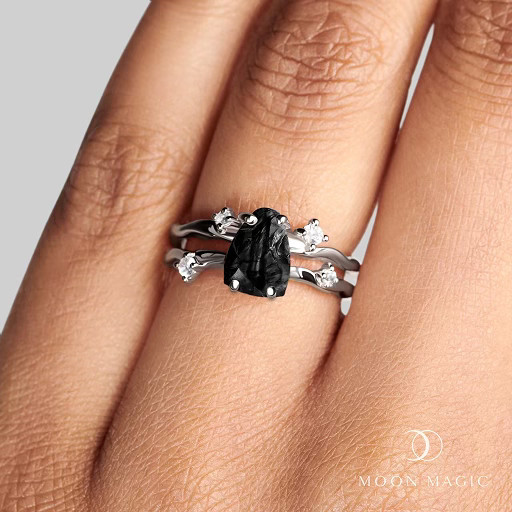
Kuyumculuk Sektöründe Etik Tedarik Neden Önemlidir?
Sürdürülebilir, Çatışmasız Değerli Taşların ve Metallerin Önemi
Takılar, uzun zamandır güzelliğin, aşkın ve kendini ifade etmenin sembolü olmuştur. Ancak değerli taşların ve metallerin ışıltısının ardında, tarihsel olarak çevresel zararlara, etik olmayan çalışma uygulamalarına ve çatışma finansmanına bağlı bir endüstri yatmaktadır. Günümüzde, takıların sadece güzel değil, aynı zamanda sorumlu bir şekilde tedarik edildiğinden emin olmak için etik tedarik her zamankinden daha önemlidir.
S-Brillet olarak, etik olarak tedarik edilmiş değerli taşlar ve metaller içeren yüksek kaliteli yüzükler, kolyeler ve bilezikler sunmaya kararlıyız. Bu kılavuzda, etik tedarikin neden önemli olduğunu, dünyayı nasıl etkilediğini ve sürdürülebilir takı seçerken nelere dikkat etmeniz gerektiğini keşfedeceğiz.
Takıda Etik Tedarik Nedir?
Etik tedarik, değerli taşların ve metallerin şu şekilde çıkarılması, işlenmesi ve ticaretinin yapılması anlamına gelir:
- İnsan haklarını korur – Adil ücretler, güvenli çalışma koşulları ve çocuk veya zorla çalıştırma olmamasını sağlar.
- Yerel toplulukları destekler – Madencilik bölgelerinin ekonomik ve sosyal gelişimine katkıda bulunur.
- Çevresel zararı en aza indirir – Ormansızlaşmayı, su kirliliğini ve karbon emisyonlarını azaltır.
- Çatışma finansmanından kaçınır – "Kanlı elmasların" veya silahlı çatışmalarla bağlantılı diğer malzemelerin satışını önler.
Etik olarak tedarik edilmiş takıları seçerek, müşteriler sorumlu ve sürdürülebilir bir tedarik zincirini desteklediklerini bilerek parçalarının keyfini güvenle çıkarabilirler.
Etik Tedarik Neden Önemlidir?
1. İnsan Haklarını Korumak
Elmas, yakut ve safir dahil olmak üzere birçok değerli taş, tarihsel olarak sömürücü çalışma koşullarıyla ilişkilendirilmiştir. Bazı bölgelerde, çoğu çocuk olan işçiler tehlikeli madencilik koşullarına, düşük ücretlere ve kötü muameleye maruz kalmaktadır.
Etik tedarik şunları sağlar:
- İşçilerin adil ücret alması.
- Güvenli çalışma ortamlarının sürdürülmesi.
- Çocuk veya zorla çalıştırma olmaması.
Örneğin, S-Brillet, kırmızı yakutu Tayland'dan ve yeşil peridot'u Pakistan'dan tedarik eder, böylece katı etik çalışma standartlarını karşılayan madenlerden geldiğinden emin olur.
2. Çevresel Etkiyi Azaltmak
Geleneksel madencilik yöntemleri ormansızlaşmaya, toprak erozyonuna, su kirliliğine ve habitat tahribatına yol açabilir. Etik madencilik, bu etkileri aşağıdakilerle en aza indirmeye odaklanır:
- Sorumlu atık yönetimi.
- Sürdürülebilir arazi ıslahı.
- Azaltılmış karbon emisyonları ve su koruma.
Örneğin, İzlanda'dan gelen siyah obsidyenimiz, yerel ekosistemlere verilen zararı sınırlayan çevresel açıdan sorumlu yöntemlerle tedarik edilmektedir.
3. Adil Ticaret ve Yerel Toplulukları Desteklemek
Etik değerli taş tedariki, madencilik topluluklarına aşağıdakilerle yardımcı olur:
- İstikrarlı işler ve adil ücretler sağlamak.
- Okullar ve sağlık hizmetleri gibi yerel altyapıya yatırım yapmak.
- Hem zanaatkarların hem de madencilerin yararına adil ticaret uygulamalarını teşvik etmek.
Örneğin, Afganistan'dan gelen lacivert taşımız, küçük ölçekli madencilik topluluklarını destekler, adil ücretlendirme ve uzun vadeli ekonomik istikrar sağlar.
4. Çatışma Değerli Taşlarından ve Metallerden Kaçınmak
"Çatışma değerli taşları" olarak da bilinen "kanlı elmaslar" veya çatışma mineralleri, gelirleri silahlı çatışmaları ve insan hakları ihlallerini finanse eden savaş bölgelerinden tedarik edilir. Çatışmasız değerli taşları seçmek, takılarınızın şiddete veya sömürüye katkıda bulunmamasını sağlar.
S-Brillet'teki tüm değerli taşlar, Brezilya'dan gelen ametist ve İran'dan gelen turkuaz dahil olmak üzere, çatışmasız bölgelerden tedarik edilmekte, şeffaflık ve etik ticaret uygulamaları sağlanmaktadır.
Daha İyi Bir Gelecek İçin Etik Takılar Seçmek
S-Brillet olarak, 925 ayar gümüşü ve doğal değerli taşları sorumlu bir şekilde tedarik etmeye, her takı parçasının etik ve çevresel standartları karşıladığından emin olmaya kararlıyız.
Etik tedarik bir trendden daha fazlasıdır; bir sorumluluktur. Sürdürülebilir ve çatışmasız takıları seçerek, adil çalışma uygulamalarını, çevrenin korunmasını ve dünya çapındaki madencilik topluluklarının refahını desteklersiniz.

Takı ve Kristal Eşleştirme: Maksimum Enerji İçin Taşlar Nasıl Eşleştirilir?
Şifa ve Denge İçin Kristallerin Kombinasyonunun Gücü
Her kristalin kendine özgü bir enerjisi vardır ancak doğru şekilde eşleştirildiğinde etkileri artırılarak zihin, beden ve ruh üzerinde daha güçlü bir etki yaratabilir. İster duygusal şifa, ister korunma, ister berraklık arıyor olun, doğru taş kombinasyonu istediğiniz enerji dengesine ulaşmanıza yardımcı olabilir.
Mücevherlere dahil edildiğinde, bu eşleştirmeler faydalarını gün boyunca yanınızda taşımanızı sağlar. Birbirini tamamlayan kristaller içeren yüzükler, bileklikler ve kolyeler etkilerini artırmak için birlikte çalışabilir.
Doğru Kristal Eşleştirmeleri Nasıl Seçilir
Tüm kristaller birbiriyle iyi çalışmaz, bu nedenle onları kasıtlı olarak eşleştirmek önemlidir. İşte güçlü kombinasyonlar oluşturmak için üç temel yaklaşım:
1. Benzer Enerjileri Eşleştirin – Bazı taşlar, paylaşılan özellikleri artırarak doğal olarak birbirini tamamlar. Örneğin, Ametist ve Aytaşı hem sezgiyi hem de duygusal dengeyi destekler.
2. Zıt Enerjileri Dengeleyin – Bazı taşlar, zıt niteliklere uyum getirerek birlikte iyi çalışır. Tutku ve gücü temsil eden Lal taşı, sakinleştirici ve yatıştırıcı enerjisiyle bilinen Akuamarin ile iyi eşleşir.
3. Belirli Bir Amacı Destekleyin – Aşkı çekmek veya odaklanmayı artırmak gibi belirli bir hedefiniz varsa, bu amaca uygun taşları seçin. Örneğin, Sitrin ve Yeşil Florit hem başarı hem de motivasyon için mükemmeldir.
Şimdi, en iyi kristal eşleştirmelerinden bazılarını ve nasıl birlikte çalıştıklarını keşfedelim.
Farklı Enerjiler İçin En İyi Kristal Eşleştirmeleri
Aşk ve Duygusal Şifa – Pembe Kuvars + Pembe Turmalin
Pembe Kuvars koşulsuz sevgiyi ve şefkati teşvik etmesiyle bilinirken, Pembe Turmalin derin duygusal iyileşmeyi destekler. Birlikte, kendini kabul etmeyi teşvik eder, ilişkileri güçlendirir ve duygusal dengeyi sağlar.
En İyi Takı Seçimi: Bir Pembe Kuvars ve Pembe Turmalin kolye veya bileklik, kalbin açık kalmasına ve duyguların uyum içinde olmasına yardımcı olur.
Koruma ve Topraklama – Siyah Obsidyen + Lapis Lazuli
Siyah Obsidyen, negatif enerjiye karşı koruma için güçlü bir taştır, Lapis Lazuli ise bilgelik ve gerçeği artırır. Birlikte, güçlü bir koruyucu bariyer oluştururken berraklık ve öz farkındalığı teşvik ederler.
En İyi Takı Seçimi: Bir Siyah Obsidyen ve Lapis Lazuli yüzük, gün boyunca hem koruma hem de içgörü sunar.
Güven ve Başarı – Sitrin + Yeşil Florit
Sitrin bolluk ve neşe çekmesiyle bilinirken, Yeşil Florit odaklanmayı ve organizasyonu artırır. Bu kombinasyon, motivasyon, finansal başarı veya kişisel gelişim arayanlar için idealdir.
En İyi Takı Seçimi: Bir Sitrin ve Yeşil Florit bileklik, kariyer veya iş arayışlarında berraklık ve enerji sağlayabilir.
Sakinlik ve Duygusal Denge – Aytaşı + Ametist
Aytaşı iç huzuru ve duygusal istikrarı teşvik ederken, Ametist sezgiyi ve ruhsal farkındalığı güçlendirir. Birlikte, stresi azaltmaya, odaklanmayı iyileştirmeye ve duygusal iyileşmeyi desteklemeye yardımcı olurlar.
En İyi Takı Seçimi: Bir Aytaşı ve Ametist kolye, gün boyunca zihni ve duyguları dengede tutar.
Güç ve Tutku – Kırmızı Lal + Akuamarin
Kırmızı Lal, tutku, canlılık ve cesaret taşıdır, Akuamarin ise sakinlik ve denge hissi verir. Bu eşleştirme, stresi yönetirken motive kalması gerekenler için harikadır.
En İyi Takı Seçimi: Bir Kırmızı Lal ve Akuamarin yüzük, zorlu durumlarda hem güç hem de dinginlik sunar.
Kristal Eşleştirmelerini Nasıl Giymeli ve Bakımı Nasıl Yapılır
Kristal kombinasyonlarınızdan en iyi şekilde yararlanmak için şu basit yönergeleri izleyin:
- Kristallerinizi Her Gün Takın – Enerji ile çalışırken tutarlılık anahtardır, bu nedenle bu taşları günlük takılarınıza dahil etmek etkilerini sürdürmenize yardımcı olacaktır.
- Düzenli Olarak Temizleyin ve Şarj Edin – Kristaller çevrelerinden enerji emer, bu nedenle onları ay ışığı, adaçayı dumanı veya su (taş suya dayanıklıysa) gibi yöntemlerle temizleyin.
- Bir Niyet Belirleyin – Takınızı takmadan önce, parçayı elinizde tutun ve hedefinize odaklanın, kristallerin enerjinizle uyum sağlamasına izin verin.
Size Uygun Mükemmel Kristal Takıyı Bulun
Takılarınızda doğru kristal eşleştirmelerini seçmek, daha dengeli, kendinize güvenen ve niyetlerinizle uyumlu hissetmenize yardımcı olabilir. İster aşk, ister korunma, ister başarı arıyor olun, doğru değerli taşları birleştirmek enerjinizi güçlü şekillerde artırabilir.

Kristaller ve Astroloji Arasındaki Ruhsal Bağlantı
Burcunuz İçin Mükemmel Kristali Bulun ve Enerjinizi Yükseltin
Astroloji ve kristaller yüzyıllardır birbirine derinden bağlıdır ve her ikisi de evrenin eşsiz titreşimlerine dayalı olarak rehberlik, enerji ve şifa sunar. Her burcun kendine özgü güçlü yanları ve zorlukları vardır ve belirli kristaller olumlu özellikleri artırırken zayıflıkları dengelemeye yardımcı olabilir.
Burcunuzla uyumlu bir kristal seçerek, büyümenizi, sezgilerinizi ve refahınızı destekleyen kişiselleştirilmiş enerjiden yararlanabilirsiniz. İster netlik, aşk, koruma veya başarı arayışında olun, astrolojik gücünüzü artıracak mükemmel bir değerli taş mutlaka vardır.
Her burç için en iyi kristalleri ve enerjinizi nasıl yükseltebileceklerini keşfedelim.
Koç (21 Mart – 19 Nisan) → Kırmızı Lal Taşı
Tutku, Güç ve Motivasyon İçin
Koç burcunu eylem ve hırs gezegeni Mars yönetir. Kırmızı Lal Taşı, Koç burcunun doğal cesaretini, tutkusunu ve liderliğini artırmak için mükemmel bir taştır. Motivasyonu ve güveni beslerken, dürtüselliği kontrol altında tutar.
Kırmızı Lal Taşı Koç Burcuna Nasıl Yardımcı Olur:
- Enerjiyi ve kararlılığı artırır
- Güveni ve içsel gücü geliştirir
- Aşkta ve kariyerde tutkuyu teşvik eder
En İyi Takı: Kırmızı Lal Taşı yüzük veya bileklik, Koç burcunun cesur hedefler peşinde koşarken dengede kalmasına yardımcı olabilir.
Boğa (20 Nisan – 20 Mayıs) → Zümrüt
Refah, İstikrar ve Aşk İçin
Venüs tarafından yönetilen Boğa burcu güzelliğe, istikrara ve lükse değer verir. Bolluk ve aşkın sembolü olan Zümrüt, Boğa burcunun topraklı ve şehvetli doğasıyla mükemmel uyum sağlar. Duygusal dengeyi artırırken refahı çeker.
Zümrüt Boğa Burcuna Nasıl Yardımcı Olur:
- Finansal başarı ve istikrarı çeker
- İlişkileri ve duygusal güvenliği güçlendirir
- Sabır ve bilgeliği teşvik eder
En İyi Takı: Gümüş Zümrüt kolye, Boğa burcunun aşk ve bollukla olan bağını güçlendirir.
İkizler (21 Mayıs – 20 Haziran) → Lapis Lazuli
İletişim, Sezgi ve Zihinsel Netlik İçin
Merkür tarafından yönetilen bir hava burcu olarak İkizler, merak ve kendini ifade etme üzerine gelişir. Lapis Lazuli, zekayı uyarır, iletişimi geliştirir ve sezgiyi derinleştirir—İkizler'in hazırcevap ve sosyal doğası için mükemmeldir.
Lapis Lazuli İkizler Burcuna Nasıl Yardımcı Olur:
- Karar vermede netliği ve odaklanmayı geliştirir
- Sözel ifadeyi ve iletişim becerilerini artırır
- Manevi farkındalığı ve sezgiyi derinleştirir
En İyi Takı: Lapis Lazuli bileklik, İkizler'in kendilerini açıkça ve güvenle ifade etme yeteneğini güçlendirir.
Yengeç (21 Haziran – 22 Temmuz) → Ay Taşı
Duygusal Denge, Sezgi ve Koruma İçin
Ay tarafından yönetilen Yengeç, derinden duygusal ve sezgiseldir. Ay Taşı, Yengeç'in doğal hassasiyetini artırır, duygusal denge ve ruhsal koruma sunar. Dengede kalırken sezgilerine güvenmelerine yardımcı olur.
Ay Taşı Yengeç Burcuna Nasıl Yardımcı Olur:
- Sezgiyi ve içsel bilgeliği güçlendirir
- Duygusal denge ve rahatlık sağlar
- Dişil enerjiyi ve şifayı artırır
En İyi Takı: Ay Taşı kolye, Yengeç'in enerjisini duygusal ve sezgisel doğalarıyla uyumlu tutar.
Aslan (23 Temmuz – 22 Ağustos) → Sitrin
Güven, Başarı ve Yaratıcılık İçin
Aslanlar karizma ve hırsla parlar. "Başarı taşı" olarak bilinen Sitrin, Aslan'ın özgüvenini, yaratıcılığını ve bolluğunu artırarak hayatlarına pozitif enerji ve neşe çeker.
Sitrin Aslan Burcuna Nasıl Yardımcı Olur:
- Özgüveni ve kişisel gücü artırır
- Zenginlik, başarı ve fırsatları çeker
- Yaratıcılığı ve kendini ifade etmeyi geliştirir
En İyi Takı: Sitrin yüzük, Aslan'ın ışıltılı enerjisini yükseltir ve başarıyı çeker.
Başak (23 Ağustos – 22 Eylül) → Beyaz Kuvars
Zihinsel Netlik, Şifa ve Odaklanma İçin
Başaklar analitik ve detay odaklıdır, Merkür tarafından yönetilirler. Beyaz Kuvars, netliği, odaklanmayı ve şifa enerjisini artırarak Başakların mükemmeliyetçi doğalarını benimserken dengede kalmalarına yardımcı olur.
Beyaz Kuvars Başak Burcuna Nasıl Yardımcı Olur:
- Net düşünmeyi ve odaklanmayı destekler
- Duygusal ve fiziksel iyileşmeyi teşvik eder
- Denge ve iç huzur sağlar
En İyi Takı: Beyaz Kuvars bileklik, Başak burcunun günlük işlerinde odaklanmış ve merkezde kalmasını sağlar.
Terazi (23 Eylül – 22 Ekim) → Pembe Kuvars
Aşk, Uyum ve Kendine Bakım İçin
Venüs tarafından yönetilen Teraziler, aşk, denge ve güzellik üzerine gelişir. Nihai aşk taşı olan Pembe Kuvars, kendine sevgiyi, duygusal iyileşmeyi ve uyumlu ilişkileri artırır.
Pembe Kuvars Terazi Burcuna Nasıl Yardımcı Olur:
- Koşulsuz sevgiyi ve kendini kabul etmeyi teşvik eder
- Romantik ve platonik ilişkileri güçlendirir
- İç huzuru ve uyumu destekler
En İyi Takı: Pembe Kuvars kolye, Teraziler için sevgi dolu ve nazik bir enerji yayar.
Akrep (23 Ekim – 21 Kasım) → Kara Obsidyen
Koruma, Dönüşüm ve Güç İçin
Akrepler yoğun, gizemli ve derinden dönüştürücüdür. Kara Obsidyen güçlü bir koruma taşıdır, Akreplerin olumsuzlukları bırakmasına ve içsel güçlerini benimsemesine yardımcı olur.
Kara Obsidyen Akrep Burcuna Nasıl Yardımcı Olur:
- Olumsuz enerji ve duygusal toksisiteye karşı kalkan görevi görür
- Kendini yansıtmayı ve derin dönüşümü teşvik eder
- İçsel gücü ve sezgiyi güçlendirir
En İyi Takı: Kara Obsidyen yüzük, Akrepler için koruyucu bir tılsım görevi görür.
Yay (22 Kasım – 21 Aralık) → Turkuaz
Macera, Bilgelik ve Koruma İçin
Yay burcu, her zaman bilgi ve macera arayan zodyakın kaşifidir. Turkuaz, bu özgür ruhlu burç için ideal bir arkadaş yaparak koruma, bilgelik ve ruhsal gelişim sunar.
Turkuaz Yay Burcuna Nasıl Yardımcı Olur:
- Seyahat korumasını ve iyi talihi artırır
- Bilgeliği ve kendini keşfetmeyi teşvik eder
- Duyguları dengeler ve açık iletişimi destekler
En İyi Takı: Turkuaz bileklik, maceralar sırasında koruma ve rehberlik sunar.
Oğlak (22 Aralık – 19 Ocak) → Yeşil Florit
Disiplin, Büyüme ve Denge İçin
Oğlaklar çalışkan ve hırslıdır, Satürn tarafından yönetilirler. Yeşil Florit, odaklanmayı, organizasyonu ve duygusal dengeyi artırarak Oğlakların hedeflerini takip ederken dengede kalmalarına yardımcı olur.
Yeşil Florit Oğlak Burcuna Nasıl Yardımcı Olur:
- Konsantrasyonu ve karar vermeyi geliştirir
- Kişisel büyümeyi ve başarıyı teşvik eder
- İstikrar ve duygusal denge sağlar
En İyi Takı: Yeşil Florit kolye, Oğlak'ın disiplinli ve hedef odaklı doğasını destekler.
Kova (20 Ocak – 18 Şubat) → Ametist
Yenilik, Ruhsal Büyüme ve Koruma İçin
Kovalar vizyonerdir, her zaman ileriyi düşünürler. Ametist, sezgiyi güçlendirir, ruhsal farkındalığı artırır ve koruma sunar, bu da onu Kova'nın entelektüel ve bağımsız ruhu için ideal kristal yapar.
Ametist Kova Burcuna Nasıl Yardımcı Olur:
- Sezgiyi ve ruhsal bilgeliği uyarır
- Yeniliği ve yaratıcılığı teşvik eder
- Duygusal koruma ve netlik sağlar
En İyi Takı: Ametist yüzük, Kovaların yüksek benlikleriyle bağlantıda kalmasına yardımcı olur.
Balık (19 Şubat – 20 Mart) → Akuamarin
Huzur, Sezgi ve Duygusal Şifa İçin
Balıklar hayalperest ve sezgiseldir, Neptün tarafından yönetilirler. Denizin taşı Akuamarin, Balık'ın derin duygusal ve ruhsal bağını artırırken sakinlik ve koruma sağlar.
Akuamarin Balık Burcuna Nasıl Yardımcı Olur:
- Duygusal iyileşmeyi ve iç huzuru teşvik eder
- Sezgiyi ve ruhsal farkındalığı geliştirir
- Olumsuz enerjilere karşı korur
En İyi Takı: Akuamarin kolye, Balık'ın enerjisini sakin ve akışkan tutar.
Mükemmel Burç Kristalinizi Bulun
Burç enerjinize uygun mükemmel değerli taş takıları mı arıyorsunuz? Ametist, Ay Taşı, Sitrin, Lal Taşı ve daha fazlasını içeren el yapımı yüzüklerimizi, kolyelerimizi ve bilekliklerimizi keşfedin!

925 Ayar Gümüş: Ne Anlama Geliyor ve Neden En İyi Seçim?
Som Gümüş Takılar ve Bakımı İçin Eksiksiz Rehber
Som gümüş, yüzyıllardır takı dünyasında sevilen bir seçim olmuştur. Parlaklığı, dayanıklılığı ve çok yönlülüğü ile bilinen bu değerli metal, genellikle yüzük, kolye ve bilekliklerde kullanılır. Peki "925" som gümüş tam olarak ne anlama geliyor ve neden ince takılar için en iyi seçeneklerden biri olarak kabul ediliyor?
Bu rehberde, 925 som gümüşün ardındaki anlamı, faydalarını ve som gümüş takılarınızın yıllarca göz kamaştırıcı görünmesini sağlamak için en iyi bakım yöntemlerini keşfedeceğiz.
925 Som Gümüş Nedir?
Som gümüş, %92,5 saf gümüş ve tipik olarak bakır olmak üzere %7,5 diğer metallerden oluşan bir alaşımdır. "925" damgası buradan gelir – parçanın %92,5 gümüş içeriğine sahip olduğunu gösterir.
Saf gümüş günlük kullanım için çok yumuşak olduğundan, küçük bir oranda başka metal eklenmesi som gümüşü daha güçlü ve dayanıklı hale getirir, aynı zamanda güzel parlaklığını korur.
Neden %100 Saf Gümüş Değil?
Saf gümüş (%99,9 gümüş) çok dövülebilir, yani kolayca bükülebilir veya çizilebilir. Bakırla birleştirilerek kuyumcular, gümüşün çarpıcı parlaklığını koruyan ve günlük kullanıma uygun, daha güçlü, daha uzun ömürlü bir malzeme yaratır.
Som Gümüş Neden Takı İçin En İyi Seçeneklerden Biri?
1. Zamansız ve Zarif Görünüm
Som gümüş, her stile uyan klasik, parlak beyaz bir parlaklığa sahiptir. İster minimalist takıları ister cesur ifade parçalarını tercih edin, som gümüş sofistike ve çok yönlü çekiciliğiyle her görünümü geliştirir.
2. Hipoalerjenik ve Cilt Dostu
Ucuz metal alaşımlarının aksine, 925 som gümüş hipoalerjeniktir, bu da onu hassas cilde sahip olanlar için harika bir seçenek haline getirir. Nikel veya diğer baz metallerden tahriş yaşıyorsanız, som gümüş takılar güvenli ve şık bir alternatiftir.
3. Dayanıklı ve Uzun Ömürlü
Uygun bakımla, som gümüş takılar bir ömür boyu dayanabilir. Hızla kararabilen veya bozulan düşük kaliteli metallerin aksine, som gümüş yıllarca güzelliğini ve gücünü koruyarak değerli bir yatırım haline gelir.
4. Uygun Fiyatlı Lüks
Som gümüş değerli bir metal olmasına rağmen, altın veya platinden daha uygun fiyatlıdır. Bu, yüksek kaliteli takı arayan ancak pahalı bir etiket istemeyenler için mükemmel bir seçenek olmasını sağlar.
5. Bakımı ve Onarımı Kolay
Som gümüş zamanla kararabilir olsa da, basit bakım teknikleriyle temizlenmesi ve orijinal parlaklığına kavuşturulması kolaydır.
Som Gümüş Takılarınızın Bakımı Nasıl Yapılır?
Som gümüş yüzük, kolye ve bilekliklerinizin en iyi şekilde görünmesini sağlamak için şu bakım ipuçlarını izleyin:
1. Doğru Şekilde Saklayın
• Som gümüş takıları kuru, serin bir yerde, tercihen hava ve neme maruz kalmayı önlemek için bir takı kutusunda veya kesesinde saklayın.
• Oksidasyonu yavaşlatmak için kararmayı önleyici bezler veya keseler kullanın.
2. Su ve Kimyasallardan Kaçının
• Yüzmeden, duş almadan veya ev temizlik ürünlerini kullanmadan önce takıları çıkarın, çünkü klor, kükürt ve sert kimyasallara maruz kalma kararmaya neden olabilir.
• Parfüm veya saç spreyini doğrudan som gümüş takılara sıkmaktan kaçının.
3. Düzenli Temizleyin
• Herhangi bir kararma veya kiri nazikçe silmek için yumuşak bir parlatma bezi kullanın.
• Daha derinlemesine temizlik için, hafif bulaşık sabununu ılık suyla karıştırın, takıyı birkaç dakika bekletin ve yumuşak kıllı bir fırça ile nazikçe fırçalayın.
• Yüzeyi çizebilecek aşındırıcı temizleyiciler kullanmaktan kaçının.
4. Sıkça Takın!
İster inanın ister inanmayın, som gümüş takılarınızı düzenli olarak takmak aslında kararmayı önlemeye yardımcı olabilir. Cildinizden gelen doğal yağlar parlaklığını korumasına ve oksidasyonu önlemesine yardımcı olur.
Takılarda Som Gümüş: Onu Neden Seviyoruz?
S-Brillet olarak, doğal değerli taşların güzelliğini vurgulayan zarif yüzükler, kolyeler ve bileklikler yapmak için 925 som gümüş kullanıyoruz. Som gümüşün dayanıklılığını Ametist, Aytaşı, Lal ve Turkuaz gibi taşların parlaklığıyla birleştirmek, her kıyafeti güzelleştiren zamansız parçalar yaratır.
İster bir ifade yüzüğü, ister narin bir kolye ucu veya katmanlı bir bileklik arıyor olun, som gümüş takılar modası asla geçmeyen çok yönlü ve çarpıcı bir seçimdir.
Yüksek Kaliteli Som Gümüş Takıları Keşfedin
Koleksiyonunuza eklemek için mükemmel 925 som gümüş takılar mı arıyorsunuz? Zarif değerli taşlar ve zamansız tasarımlara sahip el yapımı yüzüklerimizi, kolyelerimizi ve bilekliklerimizi keşfedin.
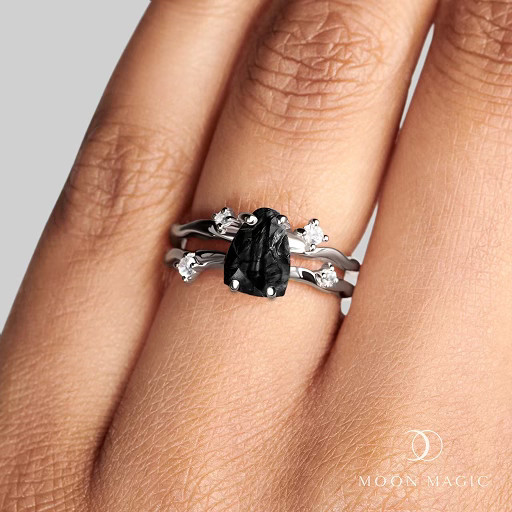
Siyah Obsidiyen: Koruma, Güç ve Dönüşüm için Nihai Taş
Topraklanma ve Manevi Koruma için Siyah Obsidyen Takıların Gücünden Yararlanın
Gizemli, güçlü ve derinden koruyucu olan Siyah Obsidyen, hızla soğuyan lavdan oluşan volkanik bir camdır. Bu çarpıcı siyah değerli taş, yüzyıllardır topraklanma, olumsuzluğa karşı korunma ve derin kişisel dönüşümü teşvik etme aracı olarak kullanılmıştır. Koruma, duygusal açıklık ve içsel güç sunan bir taş arıyorsanız, Siyah Obsidyen takı koleksiyonunuzda mutlaka bulunması gereken bir parçadır.
Bu blogda, Siyah Obsidyen'in büyüleyici özelliklerini, manevi önemini ve onu yüzük, kolye ve bileklik olarak takmanın hayatınızı nasıl güzelleştirebileceğini keşfedeceğiz.
Siyah Obsidyen Nedir?
Siyah Obsidyen, pürüzsüz, koyu bir yüzeye sahip, olumsuz enerjiyi emen ve dönüştüren doğal olarak oluşan volkanik bir camdır. Koruyucu nitelikleri nedeniyle antik uygarlıklar tarafından saygı görmüş, ruhsal uygulamalarda, ritüellerde ve hatta kehanet (kristal küreye bakma) aracı olarak kullanılmıştır.
Bu değerli taş, kök çakra ile güçlü bir şekilde bağlantılıdır, bu da onu topraklanma, istikrar ve içsel güç için mükemmel bir taş yapar. Olumsuz etkilerden korunma, duygusal şifa veya zor durumlarda açıklık arıyorsanız, Siyah Obsidyen sizi gerçeğe ve dönüşüme yönlendirmeye yardımcı olabilir.
Siyah Obsidyen'in Güçlü Faydaları
Siyah Obsidyen, hem fiziksel hem de duygusal koruma sağlayan en güçlü koruyucu taşlardan biridir. Başlıca faydalarını keşfedelim:
1. Olumsuz Enerjiye Karşı Koruma
Siyah Obsidyen, çevrenizdeki olumsuz enerjiyi emerek ve duygusal veya ruhsal zararı önleyerek koruyucu bir kalkan görevi görür. Toksik ortamlarla, stresli durumlarla veya enerjinizi tüketen insanlarla uğraşıyor olsanız da, Siyah Obsidyen takı takmak sizi güvende ve topraklanmış tutan bir bariyer oluşturabilir.
Bir Siyah Obsidyen kolye takmak, taşı kalbinize ve boğazınıza yakın yerleştirerek, duygusal olarak güçlü kalırken kendinizi olumsuzluklardan korumanıza yardımcı olur.
2. Duygusal Şifa ve Kendini Yansıtma
Bu değerli taş "Gerçeğin Taşı" olarak bilinir, gizli duyguları ortaya çıkarmanıza, korkularla yüzleşmenize ve köklü travmayı serbest bırakmanıza yardımcı olur. Duygusal zorluklar yaşıyorsanız veya geçmiş yaralarla mücadele ediyorsanız, Siyah Obsidyen netlik ve rehberlik sağlayabilir.
Bir Siyah Obsidyen yüzük takarak, bu güçlü enerjiyi kendinize yakın tutabilir, güçlü kalmayı ve kişisel gelişimi benimsemeyi kendinize hatırlatabilirsiniz.
3. Topraklanma ve İstikrar
Kök çakra ile bağlantılı olan Siyah Obsidyen, sizi topraklanmış ve Dünya'ya bağlı tutmaya yardımcı olur. Kendinizi bunalmış, dağınık veya endişeli hissediyorsanız, bu değerli taş istikrar ve denge sağlayarak düşünceleriniz ve duygularınız üzerinde kontrolü yeniden kazanmanızı sağlar.
Bir Siyah Obsidyen bileklik, gün boyunca topraklayıcı enerjiyi taşımak, sizi merkezde ve kontrol altında tutmak için mükemmeldir.
4. Sezgiyi ve Ruhsal Farkındalığı Artırır
Siyah Obsidyen genellikle meditasyonda ve ruhsal çalışmalarda gizli gerçekleri ortaya çıkarmak ve sezgiyi derinleştirmek için kullanılır. Zihinsel sisi temizlemeye yardımcı olur, durumları net bir şekilde görmenizi ve kararları güvenle almanızı sağlar.
Bir kendini keşfetme ve dönüşüm yolculuğundaysanız, Siyah Obsidyen takıları farkındalığınızı artırarak ve daha yüksek benliğinizle uyum sağlamanıza yardımcı olarak sizi destekleyebilir.
Maksimum Fayda için Siyah Obsidyen Takı Nasıl Takılır?
Siyah Obsidyen, koruyucu ve topraklayıcı enerjisini en üst düzeye çıkarmak için farklı şekillerde takılabilen çarpıcı bir değerli taştır. İşte onu takı koleksiyonunuza nasıl dahil edebileceğiniz:
1. Siyah Obsidyen Yüzükler: Günlük Bir Koruma Kalkanı
Bir Siyah Obsidyen yüzük, duygusal olarak güçlü kalırken olumsuzluklara karşı sürekli koruma isteyenler için mükemmeldir. Onu parmağınızda taşımak, gün boyunca enerjisini emmenizi sağlar, bu da onu topraklanma ve istikrar için mükemmel bir seçim yapar.
2. Siyah Obsidyen Kolyeler: Olumsuz Enerjiyi Uzak Tutun
Bir Siyah Obsidyen kolye takmak, taşı kalp ve boğaz çakralarınıza yakın yerleştirerek, duygularınızı korurken netlik ve güvenle iletişim kurmanıza yardımcı olur. Aynı zamanda zararlı etkileri uzak tutan bir enerji kalkanı görevi görür.
3. Siyah Obsidyen Bileklikler: Topraklanmış ve Dengeli Kalın
Bir Siyah Obsidyen bileklik, gün boyunca topraklanmış, odaklanmış ve güçlü kalmak için idealdir. Cildinizle sürekli teması, olumsuzluğu emmesini sağlarken duygusal esneklik ve istikrarı teşvik eder.
Neden Siyah Obsidyen Takı Seçmelisiniz?
Siyah Obsidyen, sadece güzel bir değerli taştan daha fazlasıdır; koruma, şifa ve dönüşüm için güçlü bir müttefiktir. Kendinizi olumsuzluklardan korumak, duygusal netlik kazanmak veya stresli durumlarda topraklanmış kalmak istiyorsanız, Siyah Obsidyen takıları ihtiyacınız olan desteği sağlayabilir.
Siyah Obsidyen yüzük, kolye ve bilekliklerini takı koleksiyonunuza dahil ederek, gücünü ve korumasını gittiğiniz her yere yanınızda taşıyacaksınız.
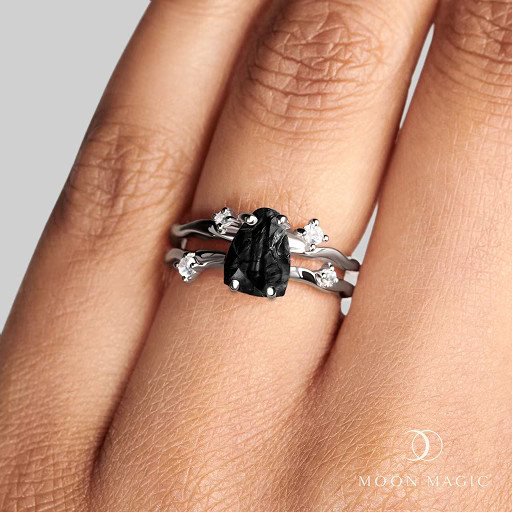
Yeşil Florit: Berraklık, Şifa ve Yenilenme Taşı
Yeşil Florit Takılarının Güçlü Faydalarını Keşfedin
Yeşil Florit yenilenme, berraklık ve duygusal şifa taşıdır. Çarpıcı yeşil tonları ve yatıştırıcı enerjisiyle bu kristal, olumsuzluğu temizleme, denge sağlama ve zihinsel berraklığı artırma yeteneği nedeniyle uzun zamandır değer görmektedir. İster duygusal istikrar, ister kişisel gelişim, ister günlük yaşamınızda bir dinginlik hissi arıyor olun, Yeşil Florit mükemmel bir arkadaştır.
Bu blogda, Yeşil Florit'in inanılmaz özelliklerini, sağlığınıza nasıl fayda sağlayabileceğini ve takı koleksiyonunuza dahil etmenin en iyi yollarını keşfedeceğiz.
Yeşil Florit Nedir?
Yeşil Florit, açık naneden koyu orman yeşiline kadar değişen yarı saydam yeşil rengiyle bilinen bir kalsiyum florür mineralidir. Meksika, Çin ve Amerika Birleşik Devletleri gibi ülkelerde bulunan bu değerli taş, olumsuz enerjiyi emme ve nötralize etme yeteneği nedeniyle oldukça değerlidir, bu da onu duygusal denge ve berraklık arayanlar için vazgeçilmez kılar.
Genellikle "Deha Taşı" olarak anılan Yeşil Florit, zihinsel odaklanma, sezgi ve karar verme ile ilişkilidir. Özellikle içsel uyumu teşvik etmede, zihinsel sisi temizlemede ve kalp çakrasıyla, yani sevgi ve şifa enerji merkeziyle bağlantıyı güçlendirmede güçlüdür.
Yeşil Florit'in Şifa Özellikleri
Yeşil Florit, geniş şifa faydaları yelpazesiyle bilinir, bu da onu duygusal, ruhsal ve fiziksel sağlık için değerli bir değerli taş haline getirir. Bu inanılmaz kristalin temel faydalarını keşfedelim:
1. Enerjiyi Temizleme ve Arındırma
Yeşil Florit'in en dikkat çekici özelliklerinden biri, çevrenizdeki olumsuz enerjiyi emme yeteneğidir. İster stres, ister duygusal yorgunluk, ister çevrenizdeki olumsuzluklarla uğraşıyor olun, Yeşil Florit doğal bir detoks görevi görerek istenmeyen enerjiyi temizler ve denge hissini yeniden sağlar.
Yeşil Florit takısı takarak, kendinizi toksik etkilerden koruyabilir ve gün boyunca sakin ve pozitif bir zihniyet sürdürebilirsiniz.
2. Duygusal Şifa ve Dengeyi Artırır
Yeşil Florit, kalp çakrasıyla derinlemesine bağlantılıdır ve bu da onu duygusal şifa için mükemmel bir taş yapar. Kaygı, kalp kırıklığı veya duygusal sıkıntılar yaşıyorsanız, bu değerli taş kalbinizi yatıştırmaya, olumsuz duyguları serbest bırakmaya ve kendini sevmeyi teşvik etmeye yardımcı olabilir.
Nazik enerjisi, duygusal esnekliği teşvik ederek özgüvenle ve açık bir kalple ilerlemenizi sağlar. Yeşil Florit yüzük veya kolye takmak, huzuru ve duygusal istikrarı kucaklamak için bir hatırlatıcı olabilir.
3. Zihinsel Berraklığı ve Odaklanmayı Güçlendirir
Genellikle "Deha Taşı" olarak adlandırılan Yeşil Florit, zihinsel berraklık ve karar verme için son derece faydalıdır. Zihinsel sisi temizlemeye, konsantrasyonu artırmaya ve problem çözme yeteneklerini geliştirmeye yardımcı olur. Bu, onu öğrenciler, profesyoneller veya odaklanmış ve düzenli kalması gereken herkes için ideal bir değerli taş yapar.
Düşüncelerle bunalmış hissediyorsanız veya kararsızlıkla mücadele ediyorsanız, Yeşil Florit takısı takmak bakış açısı kazanmanıza ve net bir şekilde düşünmenize yardımcı olabilir.
4. Gelişimi ve Dönüşümü Teşvik Eder
Yeşil Florit, yenilenme ve dönüşüm taşı olarak bilinir. Kişisel gelişimi teşvik eder, eski alışkanlıklardan kurtulmanıza ve yeni başlangıçları kucaklamanıza yardımcı olur. Kariyerinizde, ilişkilerinizde veya ruhsal yolculuğunuzda bir değişim döneminden geçiyorsanız, bu değerli taş özgüvenle ilerlemeniz için ihtiyacınız olan desteği sağlayabilir.
Yeşil Florit takısı takarak, hayatınıza olumlu değişimi davet eder ve kendinizi başarı ve mutluluk için yeni fırsatlarla hizalarsınız.
Yeşil Florit Takıları Maksimum Fayda İçin Nasıl Takılır?
Yeşil Florit sadece güçlü bir şifa değerli taşı değil, aynı zamanda herhangi bir takı koleksiyonuna güzel bir eklemedir. İşte onu günlük tarzınıza nasıl dahil edebileceğiniz:
1. Yeşil Florit Yüzükler: Topraklı ve Dengeli Kalın
Yeşil Florit yüzük, gün boyunca duygusal olarak dengeli ve zihinsel olarak net kalmak isteyenler için mükemmeldir. Onu elinizde takarak, enerjisini yakınınızda tutar, odaklanmış, sakin ve olumlu dönüşüme açık kalmanıza yardımcı olur.
2. Yeşil Florit Kolyeler: Kalp Çakranızı Güçlendirin
Yeşil Florit kolye takmak, değerli taşı kalbinizin yakınına yerleştirerek sevgi, şifa ve duygusal dengeyi teşvik etme yeteneğini artırır. Bir kolye veya dikkat çekici bir kolye, kalp çakranızı açık ve hizalı tutarak başkalarıyla ve kendinizle daha derin bir düzeyde bağlantı kurmanıza yardımcı olabilir.
3. Yeşil Florit Bileklikler: Şifa Enerjisini Her Yere Taşıyın
Yeşil Florit bileklik, taşın enerjisini gün boyunca deneyimlemenin harika bir yoludur. İster işte, ister meditasyon yaparken, ister sosyalleşirken olun, bileklik pozitif, dengeli ve kişisel gelişiminize odaklanmış kalmak için sürekli bir hatırlatıcı görevi görür.
Neden Yeşil Florit Takıları Seçmelisiniz?
Yeşil Florit sadece güzel bir değerli taş değil, aynı zamanda temizleme, şifa ve dönüşüm için güçlü bir araçtır. İster olumsuzluğu gidermek, ister odaklanmanızı geliştirmek, ister kişisel gelişimi kucaklamak isteyin, bu değerli taş sağlığınızı artıran geniş bir fayda yelpazesi sunar.
Yeşil Florit takısını koleksiyonunuza dahil ederek, doğal güzelliğinin tadını çıkarırken şifa enerjisini her gün deneyimleyebilirsiniz. İster yüzük, ister kolye, ister bileklik olsun, bu değerli taş takı gardırobunuza anlamlı bir ektir.

Turkuaz: Koruma, Huzur ve Ruhsal Bağlantı için İyileştirici Değerli Taş
Turkuaz Neden Denge, Sağlık ve Ruhsal Bağlantı İçin Nihai Değerli Taştır?
Canlı mavi-yeşil tonları ve zengin tarihi ile Turkuaz, yüzyıllardır güçlü bir koruma, şifa ve ruhsal gelişim taşı olarak saygı görmüştür. Takana denge ve uyum getirme yeteneğiyle bilinen Turkuaz, hem fiziksel hem de ruhsal alemlerle derinlemesine bağlantı kuran bir değerli taştır.
Bu blogda, Turkuaz'ın inanılmaz şifa özelliklerini, mücevherlerde neden bu kadar değerli olduğunu ve bu güzel taşı koruyucu ve şifalı nitelikleri için koleksiyonunuza nasıl dahil edebileceğinizi inceleyeceğiz.
Turkuaz Nedir?
Turkuaz, binlerce yıldır mücevher ve ruhsal uygulamalarda kullanılan çarpıcı bir mavi-yeşil değerli taştır. İran, Amerikan Güneybatısı ve Meksika gibi bölgelerde bulunan Turkuaz, bilinen en eski değerli taşlardan biridir ve Kızılderili ve eski Mısır medeniyetleri de dahil olmak üzere çeşitli kültürlerde önemli bir yere sahiptir.
Bu değerli taş genellikle şifa, koruma ve bilgeliğin sembolü olarak görülür. Turkuaz, bakır ve alüminyum açısından zengin minerallerin su ve Dünya yüzeyiyle etkileşime girmesiyle oluşan karmaşık bir mineraldir. Sonuç, yatıştırıcı, ancak canlı bir enerjiye sahip bir taştır; ruhsal hizalanma ve duygusal şifa için mükemmeldir.
Turkuaz'ın Şifalı Güçleri
Turkuaz, hem zihni hem de bedeni dengeleme ve uyumlu hale getirme yeteneğiyle bilinir. Şifalı özellikleri geniş ve derindir, bu da onu duygusal ve ruhsal sağlığınız üzerinde dönüştürücü bir etkiye sahip olabilecek bir taş yapar. İşte Turkuaz'ın başlıca faydaları:
1. Koruma ve Kalkan Enerjisi
Tarih boyunca Turkuaz, güçlü bir koruyucu taş olarak saygı görmüştür. Özellikle seyahat sırasında negatif enerjiye karşı koruduğuna ve bir kalkan sağladığına inanılır. Bileklik veya kolye gibi Turkuaz takıları takmanın, takanı hem fiziksel hem de enerjisel olarak zarardan koruduğu söylenir.
Bu taş, günlük yaşamlarında korunma arayanlar tarafından özellikle tercih edilir ve nereye giderlerse gitsinler sakinlik ve güvenlik hissi sağlar.
2. Duygusal Şifa ve Dengeyi Teşvik Eder
Turkuaz, duygusal yaraları iyileştirme ve takan kişinin duygularına denge getirme yeteneğiyle de bilinir. Kendinizi bunalmış, endişeli hissediyorsanız veya duygusal kargaşa yaşıyorsanız, Turkuaz zihni temizlemeye ve sakinlik hissini geri kazanmaya yardımcı olabilir. Sinir sistemini sakinleştirdiği, stresi azalttığı ve zihinsel berraklık sağladığı bilinmektedir.
Turkuaz'ın yatıştırıcı enerjisiyle bağlantı kurarak, duygusal dengeyi yeniden kazanabilir ve iç huzuru yeniden sağlayabilirsiniz, bu da hayatın zorluklarına daha merkezlenmiş bir zihniyetle yaklaşmanıza yardımcı olabilir.
3. Ruhsal Gelişimi ve İletişimi Destekler
Boğaz çakrasını bağlayan bir taş olarak Turkuaz, iletişim için olağanüstü bir yardımcı olarak kabul edilir. Düşünceleri net ve dürüst bir şekilde ifade etme yeteneğini geliştirir, bu da kişisel ilişkilerde veya profesyonel ortamlarda iletişim becerilerini geliştirmek isteyenler için özellikle faydalıdır.
Turkuaz ayrıca ruhsal gelişimi teşvik eder, takanı daha yüksek benliğiyle hizalanmaya teşvik eder. Sezgiselliği artırdığına ve değişim zamanlarında rehberlik sunduğuna inanılır, bu da takanın ruhsal yolculuğunda güvenle ve netlikle ilerlemesine yardımcı olur.
4. Fiziksel İyileştirme Faydaları
Duygusal ve ruhsal faydalarının yanı sıra, Turkuaz'ın fiziksel iyileştirme özelliklerine de sahip olduğu düşünülmektedir. Bağışıklık sistemini desteklemek, sindirimi iyileştirmek ve vücudu detoksifiye etmek için yaygın olarak kullanılır. Turkuaz'ın solunum sorunlarına yardımcı olduğuna ve boğaz rahatsızlığını yatıştırdığına inanılır, bu da genel sağlığını iyileştirmek isteyenler için ideal bir taş haline getirir.
Maksimum Fayda İçin Turkuaz Takıları Nasıl Takılır?
Turkuaz, çeşitli mücevher formlarında takılabilen çok yönlü bir değerli taştır ve her biri koruyucu ve şifa enerjilerini deneyimlemek için farklı yollar sunar. İşte Turkuaz'ı koleksiyonunuza nasıl dahil edebileceğiniz:
1. Turkuaz Yüzükler: Korumanızı Yakınınızda Taşıyın
Turkuaz yüzük, koruma ve denge arayan herkes için mükemmel bir seçimdir. Parmaklarınıza takarak, değerli taşın koruyucu enerjisini vücudunuza yakın tutarsınız. Bir Turkuaz yüzük, sakin kalmak, dengeli olmak ve hedeflerinize odaklanmak için sürekli bir hatırlatıcı görevi görebilir, bu da sık sık hareket halinde olan veya ruhsal koruma arayanlar için mükemmeldir.
2. Turkuaz Kolyeler: İletişim İçin Güçlü Bir Enerji Kaynağı
Turkuaz kolye takmak, değerli taşın enerjisini doğrudan iletişim merkezi olan boğaz çakrasına getirir. Bir Turkuaz kolye veya kolye ucu sadece güzel bir mücevher parçası olmakla kalmaz, aynı zamanda düşüncelerinizi net ve dürüst bir şekilde ifade etme yeteneğinizi de geliştirir. Önemli bir görüşme yapıyorsanız veya ruhsal bağlantınızı geliştirmek istiyorsanız, bir Turkuaz kolye iletişiminizin net ve açık kalmasına yardımcı olabilir.
3. Turkuaz Bileklikler: Gününüze Sakinleştirici Enerji Katın
Bir Turkuaz bileklik, değerli taşı gün boyunca takmak için zarif ama güçlü bir yol sunar. Sakinleştirici enerjisi stresi uzak tutmaya yardımcı olurken, şifalı özellikleri duygusal dengeyi teşvik eder. Turkuaz bileklikler, şık olmanın yanı sıra koruma ve destek sunan günlük bir mücevher parçası arayanlar için mükemmeldir.
Neden Turkuaz Takıları Seçmelisiniz?
Turkuaz sadece güzel bir değerli taştan daha fazlasıdır; koruma, şifa ve ruhsal gelişim için güçlü bir araçtır. Kendinizi negatif enerjiden korumak, duygusal dengeyi yeniden sağlamak veya iletişiminizi geliştirmek istiyorsanız, Turkuaz genel sağlığınızı destekleyen bir dizi fayda sunar.
Turkuaz'ı mücevher koleksiyonunuza dahil etmek, bu koruyucu ve şifalı enerjileri gün boyunca yanınızda taşımanızı sağlar. Yatıştırıcı mavi-yeşil tonları ve zengin metafizik özellikleriyle Turkuaz, hayatınıza denge, dinginlik ve pozitif enerji getiren bir değerli taştır.

Sitrin: Bereket, Neşe ve Tezahür Taşı
Zenginlik, Başarı ve Pozitiflik İçin Neden Sitrin Vazgeçilmez Değerli Taşınız Olmalı?
Parlak, ışıltılı ve sıcaklıkla dolu Sitrin, neşeyi, refahı ve canlılığı simgeleyen bir değerli taştır. Zenginlik ve başarı çekme yeteneği nedeniyle sıklıkla "tüccar taşı" olarak adlandırılan Sitrin, aynı zamanda canlandırıcı enerjisi ve kişisel gücü ve güveni yöneten solar pleksus çakrası ile olan bağlantısıyla da bilinir.
Bu blogda, Sitrin'in arzularınızı gerçekleştirme yeteneğinizi artırmaktan hayatınızda mutluluk ve iyi şansı teşvik etmeye kadar birçok faydasını keşfedeceğiz. Ayrıca, güçlü enerjisini yakın tutmak için Sitrin'i mücevher koleksiyonunuza nasıl dahil edeceğinizi inceleyeceğiz.
Sitrin Nedir?
Sitrin, sıcak, güneşli tonlarıyla değerli bir sarıdan altına kadar değişen bir kuvars çeşididir. Taş, canlı rengini kristal yapısındaki demir izlerinden alır. Brezilya, İspanya ve Madagaskar dahil dünyanın çeşitli yerlerinde bulunan Sitrin, binlerce yıldır hem güzelliği hem de metafiziksel özellikleri nedeniyle takılarda kullanılmıştır.
"Bereket taşı" olarak bilinen Sitrin'in zenginlik, başarı ve iyi şans getirdiğine inanılır. Aynı zamanda benlik saygısını, irade gücünü ve kişisel güçlenmeyi yöneten enerji merkezi olan solar pleksus çakrası ile de ilişkilidir.
Sitrin'in Şifa Güçleri
Sitrin'in ışıltılı enerjisi, ruhu canlandırma ve pozitiflik ve bolluk hissi yaratma yeteneğiyle bilinir. Sitrin'in spesifik şifa faydalarına daha yakından bakalım:
1. Bolluk ve Başarıyı Çeker
Sitrin, finansal bolluk ve refah çekme konusundaki ünü nedeniyle sıklıkla "tüccar taşı" olarak anılır. İster zenginliği tezahür ettirmek, ister yeni bir girişime başlamak veya kariyerinizde başarı çekmek isteyin, Sitrin'in finansal büyümeyi destekleyen pozitif bir enerji akışı getirdiğine inanılır.
Sitrin'i günlük hayatınıza dahil etmek, özellikle Sitrin yüzük, bileklik veya kolye gibi takılar takarak, hedeflerinizle uyumlu kalmanıza ve bolluk ve refahın serbestçe akması için enerjik bir alan yaratmanıza yardımcı olabilir.
2. Güveni ve Kişisel Gücü Artırır
Solar pleksus çakrasıyla bağlantılı bir taş olarak Sitrin, kişisel güveni, benlik saygısını ve irade gücünü artırmak için güçlü bir araçtır. İçsel gücünüzü kucaklamanızı ve arzularınıza ulaşmak için cesur adımlar atmanızı teşvik eder. İster yeni bir kariyer yolunda ilerliyor olun, ister sadece kendinize güvene ihtiyacınız olsun, Sitrin cesaret ve güvenle gücünüzü kullanmanıza yardımcı olur.
Takı olarak takıldığında Sitrin, yeteneklerinize güvenmenizi ve kişisel ve profesyonel hayatınızın sorumluluğunu üstlenmenizi sürekli hatırlatır.
3. Neşeyi ve Pozitifliği Teşvik Eder
Sitrin'in sıcak, altın rengi ışıltısı, neşeli ve canlandırıcı enerjisinin bir yansımasıdır. İyimserliği, mutluluğu ve pozitif düşünmeyi teşvik etmesiyle bilinen Sitrin, korku, stres ve özgüvensizlik gibi olumsuz duyguları dağıtmaya yardımcı olur. Kendinizi kötü hissediyorsanız veya sıkışmış durumdaysanız, Sitrin zihniyetinizi pozitifliğe kaydırmanıza ve hayatın parlak tarafına odaklanmanıza yardımcı olabilir.
Sitrin takıları takmak, ister işte, ister evde veya arkadaşlarınızla dışarıda olun, günlük rutininize iyi hisler ve neşe katmaya yardımcı olur.
4. Yaratıcılığı ve Tezahürü Harekete Geçirir
Sitrin sadece zenginlik ve başarı çekmek için bir taş değil, aynı zamanda yaratıcılığı ortaya çıkarmaya ve hayallerinizi tezahür ettirme yeteneğinizi canlandırmaya da yardımcı olur. Kutu dışında düşünmenizi ve hedeflerinize yönelik ilham verici eylemlerde bulunmanızı teşvik eder. İster bir sanatçı, ister girişimci veya büyük hedefleri olan biri olun, Sitrin zihinsel blokajları temizlemeye ve fikirlerinizi gerçeğe dönüştürmek için gereken motivasyonu sağlamaya yardımcı olabilir.
Sitrin takarak, güçlü tezahür enerjisini yakın tutar, vizyonlarınızı hayata geçirme yeteneğinizi artırırsınız.
Maksimum Fayda İçin Sitrin Takıları Nasıl Takılır?
Sitrin, birçok farklı şekilde takılabilen çok yönlü bir değerli taştır ve takı olarak takıldığında enerjisi artırılabilir. Sitrin'i koleksiyonunuza nasıl dahil edebileceğiniz aşağıda açıklanmıştır:
1. Sitrin Yüzükler: Tezahürlerinizi Güçlendirin
Bir Sitrin yüzük, taşın enerjisini gün boyunca vücudunuza yakın tutmanın mükemmel bir yoludur. İster yaratıcı enerjinizi aktive etmek için sol elinizde, ister iş ve kariyer konuları için sağ elinizde takın, Sitrin yüzükler hedefleriniz ve niyetlerinizle uyumlu kalmanıza yardımcı olur. Sitrin ile cesur, gösterişli bir yüzük, pozitif kalmak ve başarıya odaklanmak için günlük bir hatırlatıcı görevi görebilir.
2. Sitrin Kolyeler: Bolluk ve Güven Çekin

Lapis Lazuli Doğruluğunuzu Dile Getirmenize ve Ruhunuzu Güçlendirmenize Nasıl Yardımcı Olabilir?
Lapis Lazuli Takılarının Antik Büyüsünü ve Şifa Gücünü Keşfedin
Lapis Lazuli, derin, kraliyet mavisi rengi ve çarpıcı altın benekleriyle yüzyıllardır insanları büyülemiştir. Güzelliği ve ruhsal önemi nedeniyle saygı duyulan bu değerli taş, antik Mısır, Mezopotamya ve ötesinde kullanılmıştır. Lapis Lazuli, bilgelik, sezgi ve aydınlanma taşı olarak kabul edilir. Doğruluğun, kendini ifade etmenin ve ruhsal büyümenin güçlü bir sembolü olup, herhangi bir takı koleksiyonuna önemli bir katkı sağlar.
Bu blogda, Lapis Lazuli'nin büyüleyici tarihini, inanılmaz şifa özelliklerini ve neden bu değerli taşın netlik, huzur ve yüksek benliğinizle daha derin bir bağlantı arayan herkes için olmazsa olmaz olduğunu ortaya çıkaracağız.
Lapis Lazuli Nedir?
Lapis Lazuli, lazurit, kalsit ve pirit gibi minerallerin bir karışımını içeren koyu mavi bir metamorfik kayadır. Çarpıcı mavi rengi, onu diğer değerli taşlardan ayırır ve taşın her yerine dağılmış altın benzeri pirit benekleri bulunur. Tarihsel olarak, Lapis Lazuli, Mısırlılar gibi antik uygarlıklar tarafından takı, muska ve hatta kozmetik amaçlı toz haline getirilmek üzere değerli kabul edilmiştir.
Bu değerli taş, bin yıllardır krallık, ilahiyat ve bilgelik ile ilişkilendirilmiş olup, çekiciliği günümüzde de devam etmektedir. Lapis Lazuli genellikle Afganistan'da çıkarılır, ancak Şili, Rusya ve Amerika Birleşik Devletleri'nde de yatakları bulunur. Tanrıların taşı olarak bilinen Lapis Lazuli, genellikle iletişimi geliştiren ve derin gerçekleri ortaya çıkaran ruhsal bir müttefik olarak görülür.
Lapis Lazuli'nin Şifa Gücü
Lapis Lazuli, derin ruhsal ve duygusal şifa faydaları olan bir değerli taştır. Sezgiyi geliştirme, entelektüel yeteneği artırma ve daha derin ruhsal içgörüyü teşvik etme yeteneğiyle bilinen bu taş, hayatlarında netlik ve rehberlik arayanlar tarafından çok değerlidir. İşte Lapis Lazuli'nin temel şifa faydalarından bazıları:
1. Sezgi ve Bilgeliği Artırır
Lapis Lazuli, sezgi ve psişik yeteneklerle ilişkili enerji merkezi olan üçüncü göz çakrasıyla olan bağlantısı nedeniyle saygı görmüştür. Bu değerli taşın, zihni daha yüksek bilgeliklere açmaya, içgörüyü geliştirmeye ve ruhsal farkındalığı derinleştirmeye yardımcı olduğuna inanılır. Kolye veya bilezik gibi Lapis Lazuli takıları takmak, sezginize güvenmenizi ve iç sesinizle bağlantı kurmanızı destekleyerek daha fazla kendini keşfetme ve anlama yol açabilir.
İster daha derin bilgeliği açığa çıkarmak ister sadece sezgisel yeteneklerinizi güçlendirmek isteyin, Lapis Lazuli netliği ve aydınlanmayı teşvik eden bir taştır.
2. Dürüst İletişimi Teşvik Eder
Lapis Lazuli'nin en güçlü özelliklerinden biri, dürüst iletişimi geliştirme yeteneğidir. Takana kendilerini dürüstçe, yargılanma korkusu olmadan ifade etmeleri için cesaret verir. Bu değerli taşın, kişisel veya profesyonel olsun, ilişkilerini geliştirmek isteyenler için ideal kılan etkili iletişimi teşvik ettiği bilinmektedir.
Lapis Lazuli yüzük veya kolye takarak, iletişimin akışını açabilir ve kendini ifade etmenizi engelleyebilecek her türlü engeli aşabilirsiniz. Özellikle gerçekleri dile getirmekte zorlanan veya başkalarıyla bağlantı kurma yetenekleri engellenmiş hissedenler için faydalıdır.
3. İç Huzuru ve Duygusal Şifayı Teşvik Eder
Lapis Lazuli, iç huzur ve duygusal şifa getirme yeteneğiyle de bilinir. Anksiyete, stres ve korku duygularını yatıştırmaya yardımcı olarak, takana bir sakinlik ve denge hissi verir. Duygusal çalkantı veya belirsizlik yaşıyorsanız, Lapis Lazuli düşüncelerinize ve duygularınıza uyum getirmeye yardımcı olabilir, böylece daha merkezlenmiş ve rahat hissetmenizi sağlayabilir.
Lapis Lazuli'nin sakinleştirici enerjisi, hayatlarında duygusal istikrar ve huzur yaratmak isteyenler için mükemmel bir seçimdir. Yüksek benliğinizle bağlantı kurmanızı ve daha dengeli, huzurlu bir zihniyeti benimsemenizi sağlar.
4. Zihni ve Entelektüel Yeteneği Güçlendirir
Lapis Lazuli, uzun zamandır zeka, bilgelik ve zihinsel berraklık ile ilişkilendirilmiştir. Entelektüel yeteneği geliştirdiği ve zihni keskinleştirmeye yardımcı olduğu bilinmekte, bu da onu akademik veya yaratıcı alanlarda olanlar için ideal bir değerli taş haline getirmektedir. Lapis Lazuli'nin eleştirel düşünmeyi, problem çözmeyi ve karar verme becerilerini teşvik ettiğine inanılır, bu da takana zorlukların üstesinden gelmek için zihinsel güç verir.
Bilişsel yeteneklerinizi artırmak veya işinizde veya çalışmalarınızda daha fazla netlik kazanmak istiyorsanız, Lapis Lazuli tam entelektüel potansiyelinizi ortaya çıkarmaya yardımcı olabilir.
Lapis Lazuli Takıları Nasıl Takılır
Lapis Lazuli, gümüş veya altın ayarlarla güzelce eşleşen çarpıcı bir değerli taştır ve bu da onu herhangi bir takı koleksiyonuna mükemmel bir katkı yapar. İşte Lapis Lazuli'yi takmanın ve faydalarından yararlanmanın birkaç yolu:
1. Bilgelik ve Netlik İçin Lapis Lazuli Yüzükler
Lapis Lazuli yüzük, taşın enerjisini size yakın tutmanın mükemmel bir yoludur. Sol elde takılan yüzüklerin özellikle duygusal ve ruhsal şifayı artırmada etkili olduğuna inanılır. İster cesur bir gösterişli yüzük ister daha narin bir tasarım takın, Lapis Lazuli yüzükler artan bilgelik, kendini ifade etme ve iç huzur faydaları sunar.
2. Ruhsal Bağlantı İçin Lapis Lazuli Kolyeler
Lapis Lazuli kolye veya pandantif takmak, taşın kalp ve boğaz çakralarınıza yakın kalmasını sağlar, burada dürüst iletişimi teşvik edebilir ve ruhsal farkındalığınızı açmaya yardımcı olabilir. Lapis Lazuli kolye, sadece ruhsal pratiğinizi geliştirmekle kalmayan, aynı zamanda güzel bir gösterişli parça olarak da hizmet veren anlamlı bir aksesuardır.
3. Duygusal Şifa İçin Lapis Lazuli Bilezikler
Lapis Lazuli bilezik, bu değerli taşı her gün takmanın güzel bir yoludur. Bilezikler, Lapis Lazuli'nin şifa enerjisini bileğinize ve duygusal refahınızla ilişkili vücut bölgelerine yakın tutmaya yardımcı olur. Taşın sakinleştirici enerjisi duygusal dengeyi teşvik ederken, ruhsal özellikleri iç huzuru teşvik eder.
Neden Lapis Lazuli Takılarını Seçmelisiniz?
Lapis Lazuli sadece güzel bir değerli taştan daha fazlasıdır; ruhsal büyüme, iletişim ve kişisel dönüşüm için güçlü bir araçtır. Zengin tarihi, çarpıcı mavi rengi ve şifa özellikleriyle Lapis Lazuli, onu takan herkese netlik, bilgelik ve duygusal denge sağlayabilen bir değerli taştır. İster iç benliğinizle bağlantınızı derinleştirmek, iletişiminizi geliştirmek veya sadece eşsiz bir değerli taşın güzelliğinin tadını çıkarmak isteyin, Lapis Lazuli mükemmel bir seçimdir.
Neden Yeşil Peridot Kişisel Gelişim ve Yenilenme İçin Mükemmel Bir Taştır?
Yeşil Peridot Takılarının Faydalarını ve Güzelliğini Keşfedin
Canlı zeytin yeşili tonuyla Yeşil Peridot, güçlü şifa özellikleriyle, büyüleyici güzelliğiyle ve derin ruhsal anlamıyla bilinen bir değerli taştır. Genellikle "güneşin mücevheri" olarak anılan Peridot, büyümeyi, yenilenmeyi ve refahı sembolize eder. Parlak yeşil rengi, herhangi bir takı koleksiyonuna çarpıcı bir katkı sağlamakla kalmaz, aynı zamanda pozitif enerjiyi, duygusal iyileşmeyi ve bolluğu temsil eder.
Bu blogda, Yeşil Peridot'un birçok faydasını, tarihi önemini ve bu değerli taşın, duygusal denge, refah ve hayatta yeni bir başlangıç arayanlar için neden mükemmel bir seçim olduğunu keşfedeceğiz. Yeşil Peridot dünyasına dalıp büyülü niteliklerini keşfedelim.
Yeşil Peridot Nedir?
Yeşil Peridot, olivin mineral ailesine ait bir değerli taştır ve karakteristik yeşil rengi, içerdiği demirden gelir. Peridot'un yeşil tonları, yumuşak, sarımsı yeşilden zengin, koyu zeytin rengine kadar değişebilir. Kaynağına bağlı olarak yeşil renginin yoğunluğu değişebilse de, yalnızca tek bir renkte bulunan az sayıdaki değerli taştan biridir.
Peridot, binlerce yıldır değer görmüştür; bu değerli taşa dair referanslar antik Mısır takılarında bulunmuştur. Taşın, güneş tanrıçası tarafından yaratıldığına inanılırdı, bu da onu canlılık, yenilenme ve iyileşme sembolü yapıyordu. Bugün Peridot, yüzüklerde, kolyelerde ve bileziklerde sıkça kullanılmakta olup, hem güzellik hem de ruhsal faydalar arayanlar için popüler bir seçimdir.
Yeşil Peridot'un Şifa Faydaları
Yeşil Peridot, güzel bir değerli taştan çok daha fazlasıdır; güçlü şifa özellikleriyle ünlüdür. Bu taşın, onu takanlara duygusal şifa, ruhsal yenilenme ve maddi bolluk getirdiğine inanılır. Yeşil Peridot'un temel şifa faydalarını keşfedelim:
1. Duygusal Şifa ve Stres Giderici
Yeşil Peridot, duygusal stresi yatıştırma ve duygusal denge hissi yaratma yeteneğiyle bilinir. Kıskançlık, suçluluk ve öfke gibi olumsuz duyguların serbest bırakılmasına yardımcı olarak, takanın kendisiyle daha barışık hissetmesini sağlar. Taş, pozitif düşünmeyi ve duygusal netliği teşvik eder, bu da geçmişteki duygusal yaraları bırakmak ve yenilenmiş bir güçle ilerlemek isteyenler için ideal bir seçimdir.
Negatif duygularla veya duygusal stresle mücadele ediyorsanız, Yeşil Peridot bir yüzük veya bilezik takmak, hayatınızda dengeyi ve duygusal uyumu yeniden sağlamaya yardımcı olabilir.
2. Refah ve Bolluk Teşvik Eder
"Bolluğun değerli taşı" olarak bilinen Yeşil Peridot'un zenginliği, başarıyı ve refahı çektiğine inanılır. Bu taşın pozitif enerjisinin, finansal büyüme, iş başarısı ve maddi bolluk için yolları açtığı söylenir. Takanı, hedeflerine doğru cesur adımlar atmaya, sezgilerine güvenmeye ve hayatın tüm alanlarında refah için fırsatlar yaratmaya teşvik eder.
Finansal bolluk çekmek veya kariyerinizde veya işinizde başarıya ulaşmak istiyorsanız, Yeşil Peridot takı takmak, çabalarınızı artırmak için güçlü bir tılsım görevi görebilir.
3. Ruhsal Gelişimi ve Yenilenmeyi Güçlendirir
Yeşil Peridot, ruhsal yenilenme ve kişisel gelişim taşı olarak da bilinir. Enerji alanınızdaki tıkanıklıkları temizleme, yeni büyüme ve ruhsal dönüşüme izin verme konusunda eşsiz bir yeteneğe sahiptir. Taş, kalp çakrasına bağlanarak, kalbi sevgiye, şefkate ve iyileşmeye açmaya yardımcı olur. Hayatta yeni bir başlangıç arayan veya ruhsal pratiklerini derinleştirmek isteyen herkes için idealdir.
Yeşil Peridot takıları takarak, ruhsal yenilenmeyi davet eder ve kendinizi yeni başlangıçların ve daha yüksek bir öz farkındalık hissinin olasılığına açarsınız.
4. Kalp Çakrasını Güçlendirir
Yeşil Peridot'un kalp çakrasıyla bağlantısı, onu duygusal yaraları iyileştirmek ve sevgi dolu ilişkileri beslemek için güçlü bir taş yapar. Takanı, eski duygusal acı kalıplarını bırakmaya teşvik ederken, hayatlarına daha fazla sevgi ve şefkat davet eder. Bu değerli taş, ister romantik, ister ailevi, isterse dostluk ilişkileri olsun, ilişkilerde duygusal açıklığı, anlayışı ve iyileşmeyi teşvik etmeye yardımcı olur.
Kalbinizi iyileştirmek ve başkalarıyla daha derin duygusal bağlantılar kurmak istiyorsanız, Yeşil Peridot sevgiyi ve duygusal dengeyi kucaklamanıza yardımcı olabilir.
Yeşil Peridot Takıları Nasıl Takılır
Yeşil Peridot, yüzük, kolye ve bilezik gibi çeşitli takı türlerinde takılabilen çok yönlü bir değerli taştır. Canlı yeşil rengi, onu günlük kullanım için ideal bir değerli taş yapar ve hem altın hem de gümüş ayarlarla güzel bir şekilde uyum sağlar. İşte Yeşil Peridot'u takı koleksiyonunuza dahil etmek için birkaç fikir:
1. Kişisel Güçlenme İçin Peridot Yüzükler
Yeşil Peridot yüzük, değerli taşın iyileştirici enerjisini gün boyunca yanınızda taşımanıza olanak tanıyan güçlü bir takıdır. Peridot'u sol elinizde, özellikle yüzük parmağınızda takmak, kalp çakranızla bağlantınızı güçlendirdiğine ve sevgi ile refahı çektiğine inanılır. Yüzük, bir ifade parçası olarak veya günlük stilinize ince bir vurgu olarak takılabilir.
2. Ruhsal Yenilenme İçin Peridot Kolyeler
Yeşil Peridot kolye, bu değerli taşı kalbinize yakın tutmanın mükemmel bir yoludur, burada duygusal yaraları iyileştirmeye ve ruhsal büyümeyi teşvik etmeye çalışır. Yeşil Peridot içeren bir kolye ucu, yenilenmenin sürekli bir hatırlatıcısı olarak hizmet edebilir, yeni başlangıçları kucaklamanıza ve kişisel gelişiminize odaklanmanıza yardımcı olur. Bir Peridot kolye, hayatında bir dönüşüm geçiren herkes için anlamlı bir hediye de olabilir.
3. Duygusal Şifa İçin Peridot Bilezikler
Yeşil Peridot bileklik takmak, değerli taşın iyileştirici enerjisini gün boyunca yanınızda taşımanızı sağlar. Bileklik her iki bileğe de takılabilir, ancak sol bileğe takmanın taşın duygusal şifa özelliklerini artırdığı düşünülür. Bir Peridot bileklik, kişisel gelişiminize olan bağlılığınızın bir sembolü olarak da işlev görebilir, hayatın önünüze ne çıkarırsa çıkarsın merkezlenmiş ve dengeli kalmanıza yardımcı olur.
Neden Yeşil Peridot Takı Seçmeli?
Yeşil Peridot, sadece güzel bir değerli taştan fazlasıdır; büyümenin, bolluğun ve ruhsal şifanın bir sembolüdür. İster refah çekmek, ister duygusal yaraları iyileştirmek veya yeni başlangıçları kucaklamak isteyin, Peridot yolculuğunuzu desteklemek için mükemmel bir değerli taştır. Parlak yeşil rengi ve pozitif enerjisi, onu herhangi bir takı koleksiyonuna harika bir katkı yapar ve birçok faydası, onu her taktığınızda kendinizi güçlenmiş ve dengede hissetmenizi sağlar.
Aytaşının Büyüsü: Sezgi, Dişilik ve Denge
Aytaşı Takılarının Sezgilerinizi ve İçsel Uyumu Nasıl Geliştirebileceğini Keşfedin
Aytaşı, ayın kendisini andıran eterik ışıltısıyla bilinen büyüleyici bir taştır. Parlayan ışığı ve yatıştırıcı enerjisiyle Aytaşı, sezgileri geliştirme, duygusal dengeyi destekleme ve ilahi dişiliği somutlaştırma yeteneği nedeniyle uzun zamandır saygı görmektedir. Genellikle ay ile ilişkilendirilen bu mistik taş, manevi önemi ve dönüştürücü şifa özellikleriyle yüzyıllardır dünya çapındaki kültürler tarafından sevilmiştir. İster yüzük, ister kolye veya bileklik olarak takın, Aytaşı takıları sadece güzellikten daha fazlasını sunar; duygusal gelişim, kendini keşfetme ve kişisel dönüşüm için güçlü bir araçtır.
Bu blogda, Aytaşı'nın birçok faydasını, dişil enerji ve sezgiyle nasıl bağlantılı olduğunu ve hayatınızda dengeyi yeniden sağlamak için neden mükemmel bir değerli taş olduğunu keşfedeceğiz.
Aytaşı Nedir?
Aytaşı, feldspat mineralinin bir çeşididir ve adularesans olarak bilinen benzersiz optik fenomeniyle değerlidir; bu, taş ışıkta hareket ettiğinde yüzeyinde yüzer gibi görünen sütlü veya mavimsi bir ışıltıdır. Bu büyüleyici etki, Aytaşı'na sihirli görünümünü verir, onu takılarda favori ve ayın mistik enerjilerinin bir sembolü yapar.
Sri Lanka, Hindistan ve Madagaskar da dahil olmak üzere dünyanın çeşitli yerlerinde bulunan Aytaşı, kremsi beyazdan şeftali, gri ve hatta gökkuşağı tonlarına kadar çeşitli renklerde gelir. Tarih boyunca birçok kültür tarafından şifa özellikleri için kullanılmıştır ve Haziran ayının doğum taşı olarak kabul edilir.
Aytaşı'nın Şifalı Faydaları
Aytaşı, kişisel gelişimi ve dönüşümü destekleme yeteneği nedeniyle genellikle "yeni başlangıçların taşı" olarak anılır. Bu değerli taş özellikle dişil enerji, sezgi ve duygusal denge ile ilişkilidir, bu da onu manevi içgörü ve duygusal şifa arayanlar için güçlü bir müttefik yapar. Aytaşı'nın neden şifalı bir taş olarak saygı gördüğünü burada bulabilirsiniz:
1. Sezgileri ve Ruhsal Farkındalığı Artırır
Aytaşı, ay ile olan bağlantısı ve sezgileri ve ruhsal farkındalığı artırma yeteneği ile bilinir. İçsel bilgeliğinize erişmenize ve hayatı net bir şekilde yönlendirmenize yardımcı olduğu için genellikle sezgi taşı olarak adlandırılır. İster zor kararlar veriyor olun, ister daha derin ruhsal içgörü arıyor olun, Aytaşı iç sesinize güvenmeniz ve yüksek benliğinizle bağlantı kurmanız için size rehberlik edebilir.
Bir Aytaşı kolyesi veya yüzüğü takmak, içgüdülerinize uyum sağlamanıza yardımcı olabilir, bu da kalbinizi takip etmenizi ve içinizden gelen rehberliğe güvenmenizi kolaylaştırır.
2. Duygusal Dengeyi ve Şifayı Destekler
Beyaz Kuvarsın İyileştirici Güçleri: Berraklık, Saflık ve Ruhsal Gelişim İçin Bir Kristal
Beyaz Kuvars Takılarının Faydalarını ve Ruhsal Yolculuğunuzu Nasıl Geliştirebileceğini Keşfedin
Şeffaf Kuvars olarak da bilinen Beyaz Kuvars, değerli taşlar ve şifa dünyasında en çok yönlü ve yaygın olarak kullanılan kristallerden biridir. Enerjiyi büyütme ve negatif enerjileri temizleme yeteneğiyle tanınan Beyaz Kuvars, duygusal şifa, ruhsal gelişim ve zihinsel berraklık için güçlü bir taştır. Genellikle "Usta Şifacı" olarak adlandırılan bu taş, şifayı, korunmayı ve diğer değerli taşların enerjilerini artırmayı desteklemek için çeşitli şekillerde kullanılabilecek bir araç olarak kabul edilir. İster yüzük, ister kolye veya bilezik aracılığıyla Beyaz Kuvars'ı takı koleksiyonunuza dahil etmek, kişisel esenliğinizde dönüşüm sağlayabilir. Bu rehberde, Beyaz Kuvars'ın şifalı özelliklerini ve berraklığa, saflığa ve ruhsal uyanışa doğru yolculuğunuzu nasıl destekleyebileceğini keşfedeceğiz.
Beyaz Kuvars Nedir?
Beyaz Kuvars, kuvars ailesine ait şeffaf bir kristaldir ve diğer değerli taşların özelliklerini güçlendirme yeteneği nedeniyle genellikle "Usta Şifacı" olarak tanımlanır. Ayrıca berraklık, arınma ve koruma ile ilişkilidir. Bu çok yönlü kristal, Amerika Birleşik Devletleri, Brezilya ve Himalayalar dahil dünyanın birçok yerinde bulunabilir.
Beyaz Kuvars rengi şeffaf veya beyaz görünebilirken, enerjiyi uyumlu hale getirme ve dengeleme yeteneğine sahip güçlü bir taştır. Zihni, bedeni ve ruhu temizlemek, negatif enerjileri ortadan kaldırmaya ve dengeyi yeniden sağlamaya yardımcı olmak için şifa uygulamalarında sıklıkla kullanılır.
Beyaz Kuvars'ın İyileştirici Faydaları
Beyaz Kuvars, ruhsal araç setinizin önemli bir parçası olmasını sağlayan sayısız faydası olan güçlü bir taştır. İşte Beyaz Kuvars'ın şifa dünyasının en önemli değerli taşlarından biri olarak kabul edilmesinin nedenleri:
1. Enerjiyi ve Niyetleri Yükseltir
Beyaz Kuvars, enerjiyi yükseltme yeteneğiyle bilinir. Diğer değerli taşlarla birlikte kullanıldığında, onların şifa özelliklerini güçlendirir, bu da onu her kristal için mükemmel bir arkadaş yapar. Yüzük veya kolye gibi Beyaz Kuvars takıları takmak, iyileşme, kişisel gelişim veya tezahür için niyetlerinizi güçlendirmeye yardımcı olabilir. Enerji alanındaki tıkanıklıkları temizlemeye yardımcı olur, hedeflerinizin kolaylıkla gerçekleşmesini sağlar.
2. Zihinsel Berraklığı ve Odaklanmayı Destekler
Zihinsel olarak bulanık hissediyorsanız veya karar vermekte güçlük çekiyorsanız, Beyaz Kuvars zihninizi temizlemeye ve berraklık getirmeye yardımcı olabilir. Bu kristal, olumsuz enerjiyi veya karışıklığı emerek çalışır, daha huzurlu ve odaklanmış bir zihinsel durum sağlar. Özellikle konsantrasyon ve net düşünme konusunda yardıma ihtiyacı olanlar için faydalıdır, bu da onu öğrenciler, profesyoneller veya zihinsel berraklığa ihtiyaç duyan herkes için harika bir taş yapar.
3. Ruhsal Gelişimi Artırır
Beyaz Kuvars, ruhsal gelişim ve öz farkındalıkla derinden bağlantılıdır. Zihni yeni olasılıklara açmaya yardımcı olur, bilincinizi yükseltir ve farkındalığınızı genişletir. Kendini keşfetme veya ruhsal uyanış yolculuğundaysanız, Beyaz Kuvars yolu temizlemeye ve sizi daha derin içgörülere yönlendirmeye yardımcı olabilir. Beyaz Kuvars takıları takmak, ruhsal yolculuğunuzu ve büyüme ve gelişme arzunuzu hatırlatabilir.
4. Enerji Alanını Arındırır
Arındırıcı özellikleriyle bilinen Beyaz Kuvars, çevrenizdeki ve auranızdaki negatif enerjiyi temizleyebilir. Bu, özellikle gerginlik, stres veya çatışmanın olduğu yerlerde faydalıdır. Beyaz Kuvars'ı yakınınızda tutarak, ister bilezik ister kolye olarak takın, sizi olumsuzluklardan koruyan ve huzur ve uyumu destekleyen koruyucu bir alan oluşturabilirsiniz.
5. Çakraları Dengeler ve Uyumlaştırır
Beyaz Kuvars, tüm çakraları dengelemek ve uyumlu hale getirmek için kullanılabilen çok yönlü bir kristaldir. Temizleyici ve arındırıcı enerjisi, tüm enerji sistemi boyunca çalışarak tıkanıklıkları giderir ve çakraların hizalanmasına yardımcı olur. Beyaz Kuvars'ı fiziksel şifa veya duygusal denge için kullanıyor olsanız da, vücudun enerji akışının sorunsuz olmasını sağlar, böylece genel uyumu korumanıza yardımcı olur.
Beyaz Kuvars Takılarını Hayatınıza Nasıl Dahil Edebilirsiniz?
Beyaz Kuvars, özellikle takı olarak takıldığında hayatınızda inanılmaz derecede faydalı bir taş olabilir. İşte enerjinizi ve ruhsal gelişiminizi artırmak için Beyaz Kuvars takılarını günlük rutininize dahil etmenin birkaç yolu:
1. Artırılmış Enerji İçin Beyaz Kuvars Yüzükler
Beyaz Kuvars yüzük takmak, dünyaya yaydığınız enerjiyi artırmaya yardımcı olabilir. Parmağınızda taşıyarak, taş niyetlerinizi ve duygularınızı güçlendirmeye yardımcı olabilir, gün boyunca daha güçlü bir pozitif enerji akışı sağlar. İster orta ister işaret parmağında takılsın, Beyaz Kuvars yüzük zihinsel berraklık ve ruhsal gelişim için enerjiyi yönlendirmeye yardımcı olur.
2. Duygusal Şifa İçin Beyaz Kuvars Kolyeler
Kalbe yakın takılan bir Beyaz Kuvars kolye, duygusal şifayı ve dengeyi desteklemeye yardımcı olabilir. Kalp çakranıza yakınlığı, taşın duygusal tıkanıklıkları temizlemesine, duygusal durumunuza huzur ve saflık getirmesine olanak tanır. Beyaz Kuvars, stresi ve kaygıyı hafifletmeye yardımcı olabilir, bir sakinlik ve duygusal istikrar hissi uyandırır, bu da onu duygusal sıkıntı yaşayan herkes için mükemmel bir seçim yapar.
3. Günlük Berraklık İçin Beyaz Kuvars Bilezikler
Bir Beyaz Kuvars bileklik, bu güçlü kristali günlük rutininize dahil etmenin ideal bir yoludur. Bileğinizde taşımanız, enerjisinin gün boyunca sizinle olmasını sağlar, zihinsel berraklık, odaklanma ve duygusal denge getirmeye yardımcı olur. Açık fikirli ve pozitif kalma niyetinizin bir hatırlatıcısı olarak, bir Beyaz Kuvars bileklik kişisel gelişim için pratik ve güzel bir araç olabilir.
4. Meditasyon İçin Beyaz Kuvars Kullanın
Beyaz Kuvars, meditasyonda zihni temizlemek ve ruhsal gelişime odaklanmak için sıklıkla kullanılır. Pratiğiniz sırasında bir Beyaz Kuvars parçası tutarak veya taştan yapılmış takılar takarak, ruhsal yolculuğunuzu yükseltebilir ve içsel benliğinizle daha derin bir bağlantı kurabilirsiniz. Beyaz Kuvars, bilincinizi açmaya yardımcı olur, meditasyon sırasında daha yüksek benliğinizden içgörüler ve rehberlik almayı kolaylaştırır.
Takılarda Beyaz Kuvars Sembolizmi
Beyaz Kuvars, berraklık, arınma ve ruhsal uyanışın güçlü bir sembolüdür. Saf, berrak doğası, olumsuzluğu serbest bırakma ve hayatınıza yeni, pozitif enerjinin akmasına izin verme yeteneğini temsil eder. Beyaz Kuvars takıları takmak, dengeyi koruma, zihinsel berraklık elde etme ve ruhsal yolculuğunuzu geliştirme konusundaki kararlılığınızı hatırlatır.
Sonuç: Beyaz Kuvars'ın Arındırıcı Enerjisini Kucaklayın
Beyaz Kuvars, enerjinizi arındırmaya, zihinsel berraklığı artırmaya ve ruhsal gelişiminize rehberlik etmeye yardımcı olabilecek çok yönlü ve güçlü bir değerli taştır. Beyaz Kuvars takılarını koleksiyonunuza dahil ederek, birçok şifa özelliğine erişebilir ve hayatınıza daha fazla denge, huzur ve berraklık davet edebilirsiniz. İster yüzük, ister kolye veya bileklik olarak takılsın, Beyaz Kuvars enerjiyi ve niyetleri güçlendirmeye yardımcı olur, en yüksek potansiyelinize ulaşmanızda sizi destekler.
Akuamarin'in İyileştirici Güçleri: Bu Mavi Taş Ruhunuzu Nasıl Sakinleştirebilir?
Akuamarin Takılarının İç Huzur ve Berraklık İçin Sakinleştirici Faydalarını Keşfedin
Büyüleyici mavi tonlarıyla Akuamarin, yüzyıllardır barışın, dinginliğin ve duygusal şifanın sembolü olarak değerli görülmüştür. Bu büyüleyici değerli taş, yalnızca güzelliğiyle değil, aynı zamanda yatıştırıcı ve sakinleştirici özellikleriyle de bilinir, bu da onu duygusal denge ve ruhsal gelişim arayanlar için popüler bir seçim haline getirir. İster yüzük, ister kolye veya bileklik olarak takılsın, Akuamarin çarpıcı bir aksesuardan daha fazlasıdır; sakinliği ve berraklığı geri kazandırmak için güçlü bir araçtır. Bu rehberde, Akuamarin'in iyileştirici özelliklerini ve bu taşı takı koleksiyonunuza dahil etmenin zihninize ve ruhunuza nasıl huzur getirebileceğini keşfedeceğiz.
Akuamarin Nedir?
Akuamarin, soluk maviden derin, canlı maviye kadar değişen ferahlatıcı, okyanus benzeri rengiyle bilinen bir beril mineralinin mavi çeşididir. Adı, okyanusun sakin tonlarına benzemesi nedeniyle Latince "aqua marina" yani "deniz suyu" kelimelerinden gelmektedir. Tarihsel olarak, denizciler Akuamarin'i güvenli yolculuklar sağlamak için bir tılsım olarak takmış, denizde koruma ve sakinlik getirdiğine inanmışlardır.
Brezilya, Sri Lanka ve Pakistan gibi ülkelerde bulunan Akuamarin, sakin rengi ve barış ve şifa ile olan ilişkisi nedeniyle oldukça değerlidir. Mart ayının doğum taşı olmasının yanı sıra, Akuamarin "cesaret taşı" olarak da bilinir ve genellikle iletişimi geliştirmek, stresi azaltmak ve duygusal refahı teşvik etmek için kullanılır.
Akuamarin'in İyileştirici Faydaları
Akuamarin sadece güzel bir değerli taştan ibaret değildir; duygusal dengeyi, zihinsel berraklığı ve ruhsal gelişimi teşvik etmeye yardımcı olabilecek çeşitli iyileştirici özellikler sunar. İşte bu yüzden duygusal şifa için en güçlü taşlardan biri olarak kabul edilir:
1. Zihni Sakinleştirir ve Stresi Azaltır
Akuamarin, sakinleştirici ve yatıştırıcı enerjisiyle geniş çapta bilinir. Rahatlamayı teşvik eden ve stresi azaltan nazik bir titreşime sahiptir. Kendinizi bunalmış veya endişeli hissediyorsanız, kolye veya bileklik gibi Akuamarin takıları takmak, huzurlu bir ortam yaratmaya ve zihninizi dingin bir duruma getirmeye yardımcı olabilir. Bir iç huzur ve dinginlik hissini teşvik eder, bu da onu günlük stresi yönetmek için harika bir taş yapar.
2. İletişimi ve Kendini İfadeyi Geliştirir
Akuamarin aynı zamanda açık iletişim taşı olarak da bilinir. Dürüstlüğü, kendini ifadeyi ve duygusal berraklığı teşvik eder. Düşüncelerinizi veya duygularınızı ifade etmekte zorlanıyorsanız, Akuamarin, ister kişisel ilişkilerde ister profesyonel durumlarda olsun, daha etkili iletişim kurmanıza yardımcı olabilir. Özellikle boğaz çakrasının yakınında bir Akuamarin kolye veya yüzük takmak, iletişim kanallarını açmaya yardımcı olabilir, böylece gerçeğinizi kolayca konuşabilirsiniz.
3. Duygusal Şifayı Teşvik Eder
Akuamarin, duygusal şifa için nazik ama güçlü bir taştır. Eski, olumsuz duyguları serbest bırakmaya ve kalbe huzur getirmeye yardımcı olabilir. Duygusal yükler taşıyorsanız, Akuamarin korkuyu, kırgınlığı ve geçmiş travmayı çözmeye yardımcı olur, böylece berrak bir kalple ilerleyebilirsiniz. Taşın yatıştırıcı enerjisi, rahatlık ve güvence sağlar, bu da onu keder, duygusal zorluklar veya anksiyete ile çalışanlar için mükemmel bir seçim yapar.
4. Cesaret ve Güveni Teşvik Eder
Akuamarin, sakinleştirici enerjisiyle bilinirken, aynı zamanda cesaret ve güvenle de ilişkilidir. Kendinden şüphe duymayı ve korkuyu dağıtmaya yardımcı olur, kendinize güvenerek ve sakin bir şekilde ileri adım atmanızı teşvik eder. Zorlu bir durum veya büyük bir yaşam değişikliğiyle karşı karşıyaysanız, bir Akuamarin yüzük veya kolye takmak size cesur adımlar atmak ve korkusuzca ilerlemek için cesaret verebilir.
5. Ruhsal Gelişimi ve Sezgiyi Destekler
Akuamarin aynı zamanda ruhsal berraklık taşıdır, sezgiyi ve daha yüksek bilinçle bağlantı kurma yeteneğini geliştirir. Üçüncü gözü ve boğaz çakralarını uyardığı, içgörüyü ve ruhsal farkındalığı teşvik ettiği söylenir. Meditasyon veya ruhsal uygulamalar sırasında Akuamarin takıları takmak, iç benliğinizle ve evrenle olan bağlantınızı derinleştirmenize yardımcı olabilir.
Akuamarin Takıları Yaşamınıza Nasıl Dahil Edilir?
Akuamarin sadece güzel bir değerli taş değil; duygusal ve ruhsal yolculuğunuzda güçlü bir müttefiktir. İşte Akuamarin takılarını günlük rutininize dahil etmenin bazı yolları:
1. Güven ve Duygusal Şifa İçin Akuamarin Yüzükler
Bir Akuamarin yüzük, gün boyunca taşın sakinleştirici enerjisinden faydalanmak isteyenler için mükemmeldir. Parmaklarınıza takmak, duygusal şifa özelliklerine erişmenize yardımcı olur ve açık, dürüst iletişimi teşvik eder. İster denge için orta parmağa, ister kendini ifade için serçe parmağına takılsın, bir Akuamarin yüzük zorlu durumları güvenle ve berraklıkla atlatmanıza yardımcı olabilir.
2. İletişimi Geliştirmek İçin Akuamarin Kolyeler
Boğaz çakrasının yakınında takılan bir Akuamarin kolye, daha iyi kendini ifade etmeyi ve açık iletişimi teşvik edebilir. Kendi gerçeğinizi konuşmakta veya duygularınızı ifade etmekte sık sık zorlanıyorsanız, bu takı parçası kendinize ve başkalarına karşı açık ve dürüst kalmanız için nazik bir hatırlatıcı görevi görebilir. Öğretmenlik, yazarlık veya topluluk önünde konuşma gibi iletişimin anahtar olduğu mesleklerde çalışanlar için harika bir taştır.
3. Günlük Sakinlik İçin Akuamarin Bileklikler
Akuamarin bileklikler, taşın sakinleştirici ve iyileştirici enerjisine sürekli erişim sağlar. Bileğinize bir bileklik takmak, gün boyunca Akuamarin'in yatıştırıcı özelliklerinden faydalanmanızı sağlar. Derin nefes almanız, sakin kalmanız ve zorluklara berraklık ve zarafetle yaklaşmanız için sessiz bir hatırlatıcı görevi görür.
4. Meditasyon İçin Akuamarin Kullanın
Meditasyon yapıyorsanız, Akuamarin'i pratiğinize dahil etmek, odaklanmanızı, berraklığınızı ve duygusal şifanızı artırabilir. Meditasyon sırasında bir Akuamarin taşı tutmak veya Akuamarin takıları takmak, zihni temizlemeye, yüksek benliğinizle bağlantınızı derinleştirmeye ve alanınıza huzurlu enerji davet etmeye yardımcı olur.
Takılarda Akuamarin Sembolizmi
Akuamarin, sakinliği, berraklığı ve denizin iyileştirici gücünü sembolize eder. Güzelliğinin yanı sıra, Akuamarin takıları duygusal dengeyi, ruhsal gelişimi ve iletişimi geliştirmek için güçlü bir araçtır. Barış, güven ve duygusal şifa arayanlar için anlamlı ve düşünceli bir hediyedir, bu da onu bir doğum günü, yıldönümü veya kişisel dönüm noktası için mükemmel bir seçim haline getirir.
Tüm Burçlar İçin Akuamarin
Akuamarin, Mart ayının doğum taşıdır ve özellikle Balık ve Kova burçlarında doğanlar için faydalıdır. Ancak Akuamarin'in yatıştırıcı ve koruyucu özellikleri herkes için faydalıdır. Burcunuz ne olursa olsun, Akuamarin iç huzura, duygusal şifaya ve ruhsal berraklığa erişmenize yardımcı olabilir.
Sonuç: Akuamarin'in İyileştirici Enerjisini Kucaklayın
Akuamarin sadece güzel bir değerli taş değil, duygusal şifa, berraklık ve ruhsal gelişimin taşıdır. Akuamarin'i takı koleksiyonunuza dahil ederek, sakinleştirici enerjisine erişebilir ve hayatın zorlukları boyunca sizi huzur ve güvenle yönlendirmesine izin verebilirsiniz. İster yüzük, ister kolye veya bileklik olarak takılsın, Akuamarin zihni yatıştırmaya, iletişimi geliştirmeye ve duygusal dengeyi sağlamaya yardımcı olur.
Ametist: Mor Değerli Taşın Şifalı Güçlerini Keşfedin
Ametist Takılarının Ruhsal Faydalarını ve Duygusal İyileşmesini Keşfedin
Ametist, büyüleyici mor tonları ve derin ruhsal anlamıyla bilinen, en sevilen ve güçlü değerli taşlardan biridir. Zihinsel berraklık, duygusal iyileşme veya içsel benliğinizle daha derin bir bağlantı arayışında olun, Ametist hayatınıza dahil edebileceğiniz olağanüstü bir taştır. Bu rehberde Ametist'in iyileştirici özelliklerini, ruhsallıkla bağlantısını ve derin faydalar elde etmek için Ametist yüzükleri, kolyeleri ve bilezikleri takı koleksiyonunuza nasıl dahil edebileceğinizi inceleyeceğiz.
Ametist Nedir?
Ametist, açık lavantadan zengin mora kadar değişen çarpıcı bir mor kuvars çeşididir. Yüzyıllardır yüksek saygı görmüş ve genellikle krallık ve ruhsal aydınlanma ile ilişkilendirilmiştir. Tarihsel olarak, Ametist eski hükümdarlar tarafından takılmış ve ruhsal liderler tarafından berraklık ve dengeyi teşvik etmek için kullanılmıştır.
Ametist, Brezilya ve Uruguay dahil dünyanın birçok yerinde bulunur. Derin rengi, kristalin içindeki demirin varlığından gelir ve bu ona karakteristik mor tonunu verir. Taç Çakra ile bağlantısıyla bilinen Ametist, sakinleştirici enerjisi ve ruhsal farkındalığı teşvik etme yeteneği nedeniyle saygı görmektedir.
Ametist'in İyileştirici Faydaları
Ametist, derin duygusal, zihinsel ve ruhsal iyileşme sunan bir değerli taştır. İşte neden bu kadar değerli olduğu:
1. Zihinsel Berraklık ve Odaklanmayı Teşvik Eder
Kırmızı Lal Taşının İyileştirici Güçleri: Tutku ve Canlılık
Kırmızı Lal Taşının Tutkusunu, Enerjisini ve Koruyuculuğunu Keşfedin
Kırmızı Lal taşı, tutku, güç ve canlılık saçan bir değerli taştır. Zengin, koyu kırmızı rengiyle bilinen Lal taşı, yüzyıllardır sadece güzelliğiyle değil, güçlü metafizik özellikleriyle de kullanılmıştır. İster kişisel enerjinizi artırmak, ister aşkı çekmek veya kendinizi olumsuz etkilerden korumak isteyin, Lal taşı güçlü bir müttefiktir. Bu rehberde, Lal taşı takılarının (yüzükler, kolyeler ve bilezikler) özelliklerini, faydalarını ve yaşamınıza nasıl dahil edebileceğinizi keşfedeceğiz.
Kırmızı Lal Taşı Nedir?
Kırmızı Lal taşı, çeşitli renklerde bulunan bir silikat mineralleri grubudur, ancak mücevheratta en iyi bilinen ve yaygın olarak kullanılan türü koyu kırmızı olanıdır. Tarih boyunca, antik Mısır ve Roma mücevherlerinde yer alarak değerli görülmüştür. Değerli taşın canlı kırmızı rengi, enerji, tutku ve canlılığın sembolü olup, hem güzellik hem de güçlü metafizik özellikler arayanlar için popüler bir seçimdir.
"Lal" adı, değerli taşın meyve tohumlarına benzemesi nedeniyle "nar" anlamına gelen Latince granatum kelimesinden gelmektedir.
Kırmızı Lal Taşının Şifalı Özellikleri
Kırmızı Lal taşı, sadece çarpıcı bir değerli taş olmanın ötesinde, çeşitli duygusal, ruhsal ve fiziksel şifalı özelliklere sahiptir. İşte bu ateşli taşın neden bu kadar saygı gördüğü:
1. Canlılığı ve Enerjiyi Artırır
Lal taşı, enerji verici özellikleriyle bilinir. Vücudun fiziksel enerjisini uyararak canlılığı ve dayanıklılığı artırabildiği için sık sık "Güç Taşı" olarak adlandırılır. Kırmızı Lal yüzük veya bilezik takmak, özellikle zor zamanlarda daha motive hissetmenize yardımcı olabilir.
2. Tutku ve Yaratıcılığı Teşvik Eder
Hayatınızda yaratıcılık, motivasyon veya tutkuyu ateşlemek istiyorsanız, Lal taşı mükemmel bir seçimdir. Özellikle sanatçılar, girişimciler ve kişisel dürtülerini yeniden canlandırmak isteyen herkes için faydalıdır. Lal taşının yaratıcı enerjiyi kanalize etmeye yardımcı olduğu ve sizi tutkularınızın peşinden coşkuyla gitmeye ittiği söylenir.
3. Aşkı ve İlişkileri Geliştirir
Kırmızı Lal taşı genellikle kalp çakrasıyla ilişkilendirilir ve aşkı ve şefkati teşvik ettiği bilinir. Romantik ilişkileri geliştirdiği, çiftlerin duygusal bağlarını derinleştirmesine ve aşk hayatlarındaki tutkuyu yeniden canlandırmasına yardımcı olduğu söylenir. Kolye, yüzük veya bilezik olarak takılsın, Lal taşı aşk, tutku ve yakınlık enerjisini güçlendirir.
4. Koruma ve Topraklama Sağlar
Koruyucu enerjisiyle bilinen Lal taşının, olumsuz enerjilere karşı koruduğuna ve taşıyıcısını zarardan sakındığına inanılır. Duygusal enerjiyi topraklamak için sıklıkla kullanılır, güven ve istikrar hissi sunar. Lal taşı, fiziksel, duygusal veya ruhsal alemlerde koruma arayanlar için idealdir.
5. Detoks Yapar ve İyileşmeyi Teşvik Eder
Lal taşının vücut, zihin ve ruh üzerinde arındırıcı bir etkisi olduğu söylenir. Sistemi detoksifiye ederek iyileşmeyi ve gençleşmeyi teşvik ettiğine inanılır. Lal taşı takıları takmak, olumsuz enerjiyi uzaklaştırmanıza ve auranızı temizlemenize yardımcı olabilir, bu da kendinizi yenilenmiş ve dengelenmiş hissetmenizi sağlar.
Kırmızı Lal Taşı Takılarını Hayatınıza Nasıl Dahil Edebilirsiniz?
Kırmızı Lal taşı, sadece mücevher koleksiyonunuza güzel bir ek olmakla kalmaz; aynı zamanda güçlü enerjilerini kullanmak için bir araçtır. İşte Lal taşını günlük yaşamınıza dahil etmenin bazı yolları:
1. Güven ve Güç İçin Lal Yüzükleri Takın
Bir Lal yüzük, gün boyunca dengeli ve güçlü kalmanın ideal bir yoludur. Taşın enerjisinin, özellikle sol ele (alıcı el) takıldığında, kişisel gücünüzü ve güveninizi artırdığı söylenir. İster dikkat çekici bir parça olarak ister günlük bir aksesuar olarak takılsın, Lal yüzükler size iç gücünüzü hatırlatır.
2. Kalpten Bağlantıları Teşvik Etmek İçin Kırmızı Lal Kolyeler
Kalp çakrasına yakın takılan bir Lal kolyesi, aşk, koruma ve topraklama enerjilerine bağlanmanıza yardımcı olabilir. Romantik ilişkileri geliştirmek veya kendinizle bağınızı güçlendirmek için mükemmeldir. Lal taşını kolye olarak takmak, açık kalpli, şefkatli ve duygusal olarak güçlü kalmanızı teşvik eder.
3. Topraklama ve İstikrar İçin Lal Bilezikler
Lal bilezikleri, duygusal istikrar ve koruma arayanlar için mükemmeldir. Topraklayıcı enerjiyi teşvik etmek için günlük olarak takın veya odaklanmış ve enerjili kalmak için bir hatırlatıcı olarak kullanın. Bir Lal bileklik, stresli veya değişen zamanlarda duyguları dengelemenize ve zihninizi merkezde tutmanıza yardımcı olabilir.
4. Odaklanmış Enerji İçin Lal Takılarla Meditasyon Yapın
Lal taşını şifa ve yaratıcı faydaları için kullanıyorsanız, bir Lal takı parçasıyla meditasyon yapmayı düşünün. Meditasyon yaparken bir Lal yüzük veya bileklik tutarak, taşın enerji verici özelliklerinden faydalanabilir ve zihninize açıklık getirebilirsiniz.
Lal Taşının Takıdaki Sembolizmi
Kırmızı Lal taşı, uzun zamandır tutku, aşk ve canlılıkla ilişkilendirilmiştir. Lal takıları takmak, gücü, cesareti ve kişisel gelişimi sembolize edebilir. Aynı zamanda Ocak ayında doğanlar için popüler bir değerli taştır, çünkü onların doğum taşıdır ve yeni yıl için koruma ve pozitiflik sunar.
Tüm Burçlar İçin Lal Taşı
Lal taşı özellikle Oğlak burcu için faydalı olsa da (yönetici burcu), ateşli enerjisi herkesle rezonansa girer. İster kendini topraklamak isteyen bir Hava burcu, ister duygusal şifaya ihtiyaç duyan bir Su burcu, ister yaratıcılığını artırmak isteyen bir Ateş burcu olun, Lal taşı evrensel faydalar sunar.
Sonuç: Lal Taşının Gücünü ve Tutkusunu Kucaklayın
Kırmızı Lal taşı, sadece güzel bir değerli taş olmanın ötesinde, enerji, yaratıcılık ve aşkı artırırken koruma ve topraklama sağlayan güçlü bir araçtır. Lal taşını ister yüzük, kolye veya bilezik olarak takın, bu taş iç gücünüzü kullanmanız ve tutkularınızın peşinden coşkuyla gitmeniz için sürekli bir hatırlatıcıdır. Lal taşını hayatınıza dahil ederek, kişisel dönüşüm ve duygusal şifa için tam potansiyelinden yararlanabilirsiniz.
Gül Kuvarsının Şifalı Güçleri: Aşk ve Duygusal Denge
Gül Kuvars Neden Kişisel Sevgi ve Duygusal Şifa İçin Nihai Taştır?
"Aşk Taşı" olarak bilinen Gül Kuvars, en değerli ve güçlü şifa kristallerinden biridir. İlişkilerinizi geliştirmek veya kendinizle bağlantınızı derinleştirmek istiyorsanız, bu güzel pembe mücevher olmazsa olmazdır. Bu blogda, aşkı, duygusal dengeyi ve huzuru hayatınıza davet etmek için Gül Kuvars takılarının (ister yüzük, ister bilezik, ister kolye olsun) tarihini, şifa özelliklerini ve kullanabileceğiniz yolları inceleyeceğiz.
Gül Kuvars Nedir?
Gül Kuvars, genellikle aşk, barış ve duygusal şifa ile ilişkilendirilen yarı saydam pembe bir kuvars çeşididir. Brezilya da dahil olmak üzere dünyanın çeşitli yerlerinde bulunan Gül Kuvars, yumuşak, nazik bir enerjiye sahiptir ve bu da onu kalp merkezli şifa için en sevilen değerli taşlardan biri yapar. Kalp çakrası ile rezonansa geçtiğine, şefkat, nezaket ve koşulsuz sevgi duygularını desteklediğine inanılır.
Gül Kuvars'ın İyileştirici Faydaları
Duygusal şifa söz konusu olduğunda, Gül Kuvars eşsizdir. İşte bu güçlü taşın temel faydalarından bazıları:
1. Kişisel Sevgi ve Şefkati Teşvik Eder
Gül Kuvars, olumsuz duyguları serbest bırakmanıza ve kendinizi tamamen kucaklamanıza yardımcı olarak kişisel sevgiyi teşvik eder. İster geçmiş travmalardan iyileşiyor olun, ister sadece kendinizle ilişkinizi geliştirmek istiyor olun, Gül Kuvars takıları takmak, kişisel şefkat ve nezaket pratiği yapmanız için günlük bir hatırlatıcı görevi görebilir.
2. Romantik İlişkileri Geliştirir
Aşkla derin bağlantısıyla bilinen Gül Kuvars, genellikle romantik ilişkileri çekmek ve beslemek için kullanılır. İster kendinize, ailenize, arkadaşlarınıza veya özel birine duyduğunuz sevgi olsun, hem vermeye hem de almaya kalbi açar. İlişkilerdeki geçmiş duygusal yaraları iyileştirmede özellikle yardımcı olur ve yeni bağlantılara açık bir kalple yaklaşmanızı sağlar.
3. Duygusal Şifayı Teşvik Eder
Gül Kuvars, duygusal şifa söz konusu olduğunda inanılmaz derecede destekleyicidir. Keder, üzüntü veya kalp kırıklığı yaşadıysanız, Gül Kuvars takmak, birikmiş duyguları serbest bırakmaya ve duygusal dengeye doğru ilerlemeye yardımcı olan rahatlatıcı bir enerji sağlayabilir. Hem başkalarını hem de kendinizi affetmeyi ve kabul etmeyi teşvik eder.
4. Stresi ve Anksiyeteyi Azaltır
Gül Kuvars'ın sakinleştirici enerjisi, anksiyete ve stres duygularını hafifletmeye yardımcı olabilir. İster bilezik, ister yüzük, ister kolye olarak takılsın, huzurlu ve sakin bir zihin durumunu teşvik ederek, zorlu veya stresli durumlar yaşayanlar için idealdir.
Gül Kuvars Takılarını Hayatınıza Nasıl Dahil Edebilirsiniz?
Gül Kuvars sadece güzel bir taş değil, aynı zamanda kişisel dönüşüm için güçlü bir araçtır. İşte Gül Kuvars takılarını günlük hayatınıza dahil etmenin bazı basit yolları:
1. Duygusal Denge İçin Gül Kuvars Yüzükleri Takın
Parmağınızda bir Gül Kuvars yüzük takmak, dengeli ve şefkatli kalmak için sürekli bir hatırlatmadır. Gün boyunca taşa dokunma eylemi topraklayıcı olabilirken, enerjisi sevgiyi ve pozitif titreşimleri teşvik eder. Ek fayda için, enerjiyi alma tarafı ile ilişkili olan sol elinize takmayı düşünün.
2. Kalp Şifası İçin Gül Kuvars Kolyeler
Kalbinize yakın duran bir Gül Kuvars kolye, kalp çakrasını açmaya ve iyileştirmeye yardımcı olabilir. Kolye takmak, taşı göğsünüze yakın tutar ve sevgi, duygusal denge ve sakinliği teşvik etme yeteneğini güçlendirir. Hayatlarında şefkat ve bağlantıyı beslemek isteyen herkes için ideal bir takı parçasıdır.
3. Günlük Şifa İçin Gül Kuvars Bilezikler
Bir Gül Kuvars bileklik, günlük şifa için mükemmeldir. Gün boyunca takılabilir, sevgi ve duygusal denge içinde kalmak için nazik bir hatırlatıcı görevi görür. İster tek başına takılsın ister diğer bileziklerle birlikte, Gül Kuvars nereye giderseniz gidin huzurlu ve sevgi dolu bir enerjiyi korumaya yardımcı olur.
4. Gül Kuvars Takılarıyla Meditasyon Yapın
Gül Kuvars'ın şifa gücünü artırmak için, bu taşı içeren bir takı parçasıyla meditasyon yapın. Meditasyon yaparken bir Gül Kuvars yüzük, kolye veya bileklik tutmak, duygusal benliğinizle bağlantınızı derinleştirebilir, olumsuz duyguları serbest bırakmanıza ve şifaya odaklanmanıza yardımcı olabilir.
Takılarda Gül Kuvars'ın Sembolizmi
Şifa özelliklerinin ötesinde, Gül Kuvars derin bir sembolizm de taşır. Gül Kuvars takıları takmak, şifa, sevgi ve kişisel gelişime olan bağlılığınızın bir ifadesi olabilir. İster narin bir Gül Kuvars kolye ister gösterişli bir yüzük olsun, kristal sürekli bir destek ve nazik rehberlik kaynağı görevi görür.
Tüm Burçlar İçin Gül Kuvars
Gül Kuvars, Boğa veya Terazi burcu olanlar için özellikle faydalı olsa da (her ikisi de aşk gezegeni Venüs tarafından yönetilir), besleyici enerjisi herkese fayda sağlayabilir. İster topraklayıcı enerji arayan bir Toprak burcu, ister duygusal şifa arayan bir Su burcu olun, Gül Kuvars herkes için çok yönlü ve faydalıdır.
Sonuç: Gül Kuvars'ın Gücünü Kucaklayın
Gül Kuvars, güzel bir pembe taştan daha fazlasıdır; duygusal şifa, kişisel sevgi ve anlamlı ilişkiler çekmek için güçlü bir araçtır. Gül Kuvars takılarını günlük hayatınıza dahil ederek, enerjinizi sevgi, barış ve şefkatle hizalayabilirsiniz. İster bir Gül Kuvars yüzük, kolye veya bileklik seçin, sevgi ve duygusal denge içinde kalmak için güzel bir hatırlatıcıya sahip olacaksınız.
Enerjinize Uygun Kristali Nasıl Seçersiniz?
Niyetlerinizle Uyumlu Kristallerin İyileştirici Gücünü Keşfedin
Kristaller yüzyıllardır iyileşmeyi, dengeyi ve korunmayı teşvik etmek için kullanılmıştır. İster değerli taşlar dünyasında yeni olun, ister kendi koleksiyonunuza sahip olun, enerjiniz ve niyetlerinizle uyumlu mükemmel kristali seçmek zor olabilir. Bu rehberde, size nasıl uyum sağlayacak, duygusal ihtiyaçlarınızı destekleyecek ve ruhsal yolculuğunuzu geliştirecek bir kristal seçeceğinizi keşfetmenize yardımcı olacağız.
Kristaller Nedir ve Nasıl Çalışır?
Kristaller, milyonlarca yıl boyunca Dünya yüzeyinin altında oluşan doğal minerallerdir. Zihinsel, fiziksel ve ruhsal sağlığınızı desteklemek için kullanılabilecek enerjik özelliklere sahip olduğuna inanılır. Her kristalin belirli bir frekansta titreştiği söylenir ve enerjinizle eşleşen bir tane seçtiğinizde, olumsuzluğu nötralize ederken pozitif enerjiyi artırmaya yardımcı olabilir.
Kristallerin gücü, enerji alanınızla (aynı zamanda "aura" olarak da bilinir) çalışma yeteneklerinde yatar. Mevcut ihtiyaçlarınızı tamamlayan bir kristal seçerek titreşimlerinizi artırabilir ve iyileşme, netlik veya sakinlik sağlayabilirsiniz.
Sizin İçin Doğru Kristali Nasıl Seçersiniz?
Mükemmel kristali seçmek biraz sezgi ve mevcut enerjinizi anlamayı gerektirir. İhtiyaçlarınızla uyumlu olanı bulmanıza yardımcı olacak adım adım bir rehber:
1. Niyetlerinizi Belirleyin
Kristallere göz atmaya başlamadan önce, hedeflerinizi veya ihtiyaçlarınızı düşünmek için bir dakikanızı ayırın. Duygusal şifa mı arıyorsunuz? Bolluk veya korunmayı mı tezahür ettirmek istiyorsunuz? Kristaller, net niyetleriniz olduğunda en iyi şekilde çalışır, bu yüzden neye ihtiyacınız olduğunu düşünün ve bunun size rehberlik etmesine izin verin.
2. Sezgilerinize Güvenin
Bir kristal aldığınızda, elinizde nasıl hissettirdiğine bakın. Size bir sakinlik hissi veriyor mu? Kendinizi enerjik veya bağlı hissetmenizi sağlıyor mu? İçsel rehberliğinize güvenin. Bazen doğru kristal size neredeyse "seslenir".
3. İyileştirici Özellikleri Anlayın
Farklı kristaller farklı enerjik özellikler taşır. En popüler kristallerden bazılarını ve neyle tanındıklarını inceleyelim:
• Ametist: Sakinleştirici ve dengeleyici özellikleriyle bilinir, zihinsel netlik ve stres atma için mükemmeldir.
• Gül Kuvars: Aşk, şifa ve duygusal denge taşıdır. Kendini sevme ve ilişkileri güçlendirme için harikadır.
• Sitrin: Bolluk, neşe ve pozitiflik taşıdır. Zenginliği ve başarıyı çektiği söylenir.
• Siyah Turmalin: Koruma, topraklama ve negatif enerjiye karşı kalkanlama için mükemmeldir.
4. Çakra İhtiyaçlarına Göre Seçim Yapın
Birçok kişi, vücuttaki yedi enerji merkezinden oluşan çakra sistemine göre kristaller seçer. İşte kristalleri her bir çakraya nasıl eşleştirebileceğiniz:
- Kök Çakra (Omurganın Tabanı): Kırmızı Jasper, Hematit (istikrar ve topraklama için)
- Sakral Çakra (Alt Karın): Karnelyen, Turuncu Kalsit (yaratıcılık ve tutku için)
- Solar Pleksus Çakra (Üst Karın): Sitrin, Kaplan Gözü (özgüven ve kişisel güç için)
- Kalp Çakrası (Göğüs): Gül Kuvars, Yeşil Aventurin (aşk ve şefkat için)
- Boğaz Çakrası (Boğaz): Akuamarin, Lapis Lazuli (iletişim ve kendini ifade etme için)
- Üçüncü Göz Çakrası (Alın): Ametist, Sodali (sezgi ve içgörü için)
- Taç Çakra (Başın Tepesi): Şeffaf Kuvars, Ay Taşı (ruhsal bağlantı için)
5. Araştırın ve Kendinizi Eğitin
Belirli bir kristale ilgi duyuyorsanız ancak özelliklerinden emin değilseniz, onu araştırmaya zaman ayırın. Her değerli taşın zengin bir tarihi ve derin metafiziksel anlamı vardır ve enerjisi hakkında bilgi edinmek, onunla olan bağlantınızı güçlendirebilir.
Kristalinizi Maksimum Etkiyle Nasıl Kullanırsınız?
Kristalinizi seçtikten sonra, onu işe koyma zamanı. Kristali günlük hayatınıza dahil etmek için bazı ipuçları:
- Meditasyon: Odaklanmayı ve netliği artırmak için meditasyon yaparken kristalinizi elinizde tutun.
- Yanınızda Taşıyın: Enerjisiyle bağlantıda kalmak için kristali gün boyunca cebinizde, çantanızda veya takı olarak taşıyın.
- Evinizde Bulundurun: Kristalleri belirli enerjilerine ihtiyaç duyduğunuz odalara yerleştirin. Örneğin, bolluk ve motivasyon çağırmak için çalışma alanınıza bir Sitrin kristali yerleştirin.
- Onunla Uyuyun: Huzurlu uykuyu teşvik etmek veya gece boyunca belirli bir şifa üzerinde çalışmak için yastığınızın altına veya yatağınızın yanına bir kristal koyun.
Sonuç: Kristallerle Yolculuğunuza Güvenin
Enerjinize uygun kristali seçmek herkese uyan tek bir süreç değildir. Bu, sizi doğal dünya ve iç benliğinizle birleştiren derin kişisel bir yolculuktur. Sezgilerinizi takip ederek ve her taşın benzersiz özelliklerini anlayarak, size rehberlik edecek, iyileştirecek ve güç verecek mükemmel kristali bulabilirsiniz.
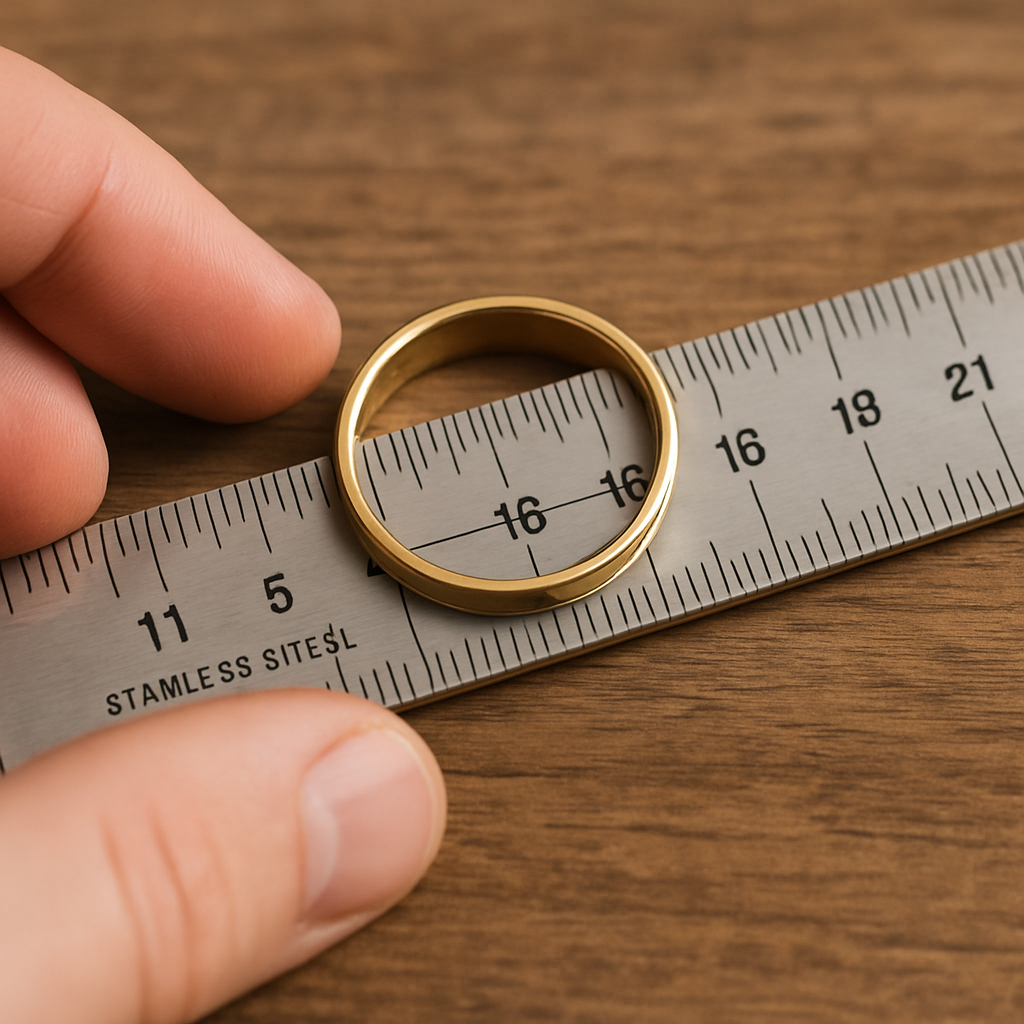
Doğum Taşları ve Eşsiz Anlamları Hakkında Bir Rehber
Doğum taşları yüzyıllardır değer görmüş, her doğum ayıyla uyumlu benzersiz enerjiler taşıdığına inanılmıştır. İster güzellikleri isterse derin anlamları için takın, bu değerli taşların koruma, güç ve denge getirdiğine inanılır. Her bir doğum taşının tarihini, anlamını ve faydalarını keşfedelim.
Ocak – Lal: Güç ve Tutku Taşı
Anlamı: Sevgiyi, canlılığı ve korumayı simgeleyen Lal, tutkuyu ateşlemesi ve özgüven vermesiyle bilinir.
Faydaları: Enerjiyi artırır, kendini güçlendirmeyi teşvik eder ve duygusal istikrarı destekler.
Şubat – Ametist: Bilgelik ve Huzur Taşı
Anlamı: Ametist, sezgi, berraklık ve ruhsal farkındalık taşıdır. Uzun zamandır iç huzurla ilişkilendirilmiştir.
Faydaları: Rahatlamayı destekler, sezgiyi güçlendirir ve negatifliğe karşı korur.
Mart – Akuamarin: Dinginlik ve Cesaret Taşı
Anlamı: Sakin denizi andıran Akuamarin, berraklık, huzur ve cesaret getirmesiyle bilinir.
Faydaları: Duygusal dengeyi teşvik eder, stresi azaltır ve iletişimi güçlendirir.
Nisan – Beyaz Kuvars: Berraklık ve Enerji Taşı
Anlamı: Beyaz Kuvars, "Üstat Şifacı" olarak bilinir, enerjiyi yükseltir ve zihni arındırır.
Faydaları: Konsantrasyonu artırır, ruhsal büyümeyi destekler ve negatifliği temizler.
Mayıs – Zümrüt: Aşk ve Yenilenme Taşı
Anlamı: Zümrüt, yeniden doğuşu, sevgiyi ve uyumu temsil ederek kişisel gelişimin bir sembolüdür.
Faydaları: İlişkileri güçlendirir, bilgeliği teşvik eder ve refahı artırır.
Haziran – Ay Taşı: Sezgi ve Yeni Başlangıçlar Taşı
Anlamı: Dişil enerji ve dönüşümün bir sembolü olan Ay Taşı, yaşam döngüleriyle bağlantılıdır.
Faydaları: Duygusal dengeyi teşvik eder, sezgiyi güçlendirir ve yeni fırsatları destekler.
Temmuz – Yakut: Tutku ve Güç Taşı
Anlamı: Cesur ve ateşli bir taş olan Yakut, aşk, cesaret ve canlılıkla ilişkilendirilir.
Faydaları: Özgüveni artırır, motivasyonu yükseltir ve sevgiyi çeker.
Ağustos – Peridot: Koruma ve Pozitiflik Taşı
Anlamı: "Güneş Taşı" olarak bilinen Peridot, mutluluk, koruma ve yenilenme getirir.
Faydaları: Negatif enerjiye karşı korur, motivasyonu artırır ve kişisel gelişimi destekler.
Eylül – Lapis Lazuli: Gerçek ve Bilgelik Taşı
Anlamı: Lapis Lazuli, yüzyıllardır aydınlanma ve öz farkındalık taşı olarak değer görmüştür.
Faydaları: Kendini ifade etmeyi teşvik eder, yaratıcılığı artırır ve zihinsel berraklığı destekler.
Ekim – Pembe Turmalin: Merhamet ve Şifa Taşı
Anlamı: Kalbin bir taşı olan Pembe Turmalin, sevgiyi, öz bakımı ve duygusal şifayı besler.
Faydaları: Duygusal refahı destekler, öz sevgiyi artırır ve iç huzur getirir.
Kasım – Sitrin: Bereket ve Neşe Taşı
Anlamı: Sitrin, başarıyı, mutluluğu ve pozitif enerjiyi çekmek için güçlü bir taştır.
Faydaları: Özgüveni teşvik eder, zenginliği çeker ve iyimserliği artırır.
Aralık – Turkuaz: Koruma ve Huzur Taşı
Anlamı: Bilgelik ve iyi şansın bir sembolü olan Turkuaz, sakinleştirici enerjisiyle bilinir.
Faydaları: İletişimi güçlendirir, şifayı teşvik eder ve ruhsal koruma sağlar.
Mükemmel Kristal Doğum Taşınızı Bulun
Doğum taşınızı takmak, iç enerjinizle ve kişisel yolculuğunuzla bağlantıda kalmanın anlamlı bir yoludur. İster yüzük, kolye veya bileklik seçin, değerli taşınız benzersiz güçlerinizin ve niteliklerinizin bir hatırlatıcısı olarak hizmet eder.
Mükemmel doğum taşı parçanızı bugün keşfedin ve güçlü enerjisini kucaklayın!
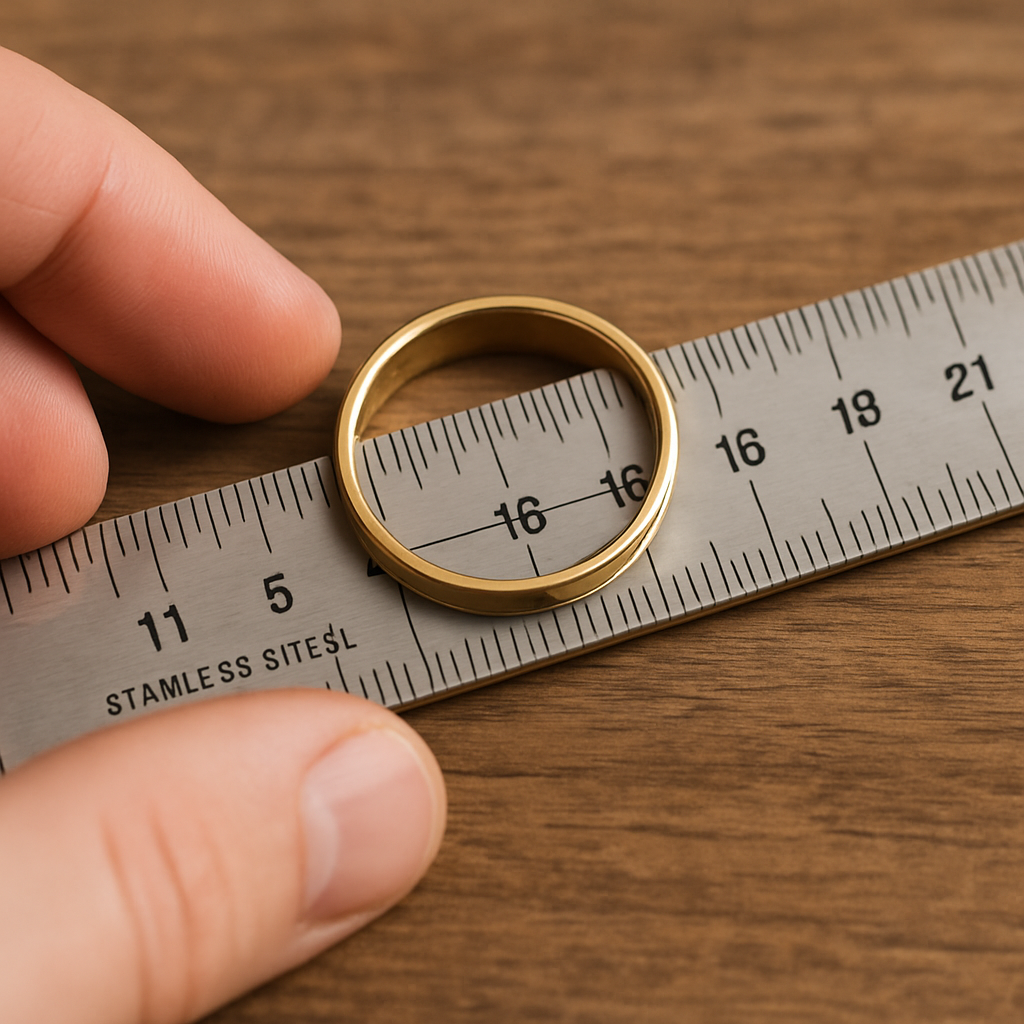
Koruma İçin Kristaller: Güçlerini Günlük Hayatta Kullanmak
Stres ve belirsizliklerle dolu bir dünyada, koruma kristalleri güvenlik ve denge hissi sunar. Bu güçlü değerli taşlar, yüzyıllardır negatif enerjiye karşı kalkan görevi görmek, iç gücü artırmak ve duygusal refahı teşvik etmek için kullanılmıştır. İster takı olarak takılsın ister ortamınıza yerleştirilsin, bu kristaller kişisel enerji koruyucularınız olarak hizmet edebilir.
1. Siyah Obsidyen – Nihai Kalkan
Siyah Obsidyen, negatif enerjiyi emen ve duygusal ve psişik saldırılara karşı koruyan güçlü bir topraklama taşıdır. Bu kristal, hayatlarında istikrar ve açıklık arayanlar için mükemmeldir.
Nasıl Kullanılır:
• Gün boyunca dengede kalmak için Siyah Obsidyen bir yüzük veya bileklik takın.
• Evinize negatif enerjinin girmesini engellemek için ön kapınızın yakınına bir Siyah Obsidyen taşı yerleştirin.
2. Ametist – Zihin ve Ruh İçin Koruma
Ametist, sakinleştirici ve koruyucu özellikleriyle bilinir, bu da onu zihinsel berraklık ve ruhsal gelişim için mükemmel bir seçim yapar. Negatif düşünceleri temizlemeye yardımcı olur ve etrafınızda huzurlu bir enerji alanı oluşturur.
Nasıl Kullanılır:
• Sezgiyi artırmak ve strese karşı korunmak için Ametist bir kolye takın.
• Huzurlu bir uyku çekmek ve kabusları uzaklaştırmak için yastığınızın altına bir Ametist koyun.
3. Turkuaz – Fiziksel Refahın Koruyucusu
Turkuaz, genellikle gezginler için tılsım olarak kullanılan bir koruma ve şifa taşıdır. Vücudu, zihni ve ruhu güçlendirirken zararlı enerjileri saptırır.
Nasıl Kullanılır:
• Duygusal denge ve koruma sağlamak için Turkuaz bir yüzük veya kolye takın.
• Güvenli yolculuklar ve iyi şanslar için çantanızda bir Turkuaz taşı taşıyın.
4. Kırmızı Granat – Tutku ve Enerji İçin Koruma
Kırmızı Granat, yorgunluğa ve olumsuz etkilere karşı koruyan güçlü bir enerji veren kristaldir. Özgüveni artırır ve iç gücünüzü canlandırır.
Nasıl Kullanılır:
• Yüksek enerji seviyelerini ve motivasyonu korumak için Kırmızı Granat bir bileklik takın.
• Odaklanmayı ve verimliliği artırmak için masanızda bir Kırmızı Granat taşı bulundurun.
5. Lapis Lazuli – Gerçek ve Bilgeliğin Koruyucusu
Lapis Lazuli, psişik saldırıları engelleme ve aldatmacaya karşı koruma yeteneğiyle bilinir. Öz farkındalığı artırır ve dürüst iletişimi teşvik eder.
Nasıl Kullanılır:
• Net düşünmeyi ve özgüveni teşvik etmek için Lapis Lazuli bir yüzük takın.
• Dürüstlük ve bilgeliği teşvik etmek için çalışma alanınıza bir Lapis Lazuli taşı yerleştirin.
Sonuç
Koruma kristalleri sadece güzel değerli taşlardan daha fazlasıdır; günlük hayatınızda dengeyi, netliği ve güvenliği korumanıza yardımcı olabilecek güçlü araçlardır. İster takı olarak takın ister çevrenizde bulundurun, bu kristaller olumsuzluğa karşı doğal bir kalkan sunar. Size rezonans veren birini seçin ve koruyucu enerjisini bugün kucaklayın.
Add More
Glow with
- RECENT VIEW
- WISHLIST
- SHOP ALL
- ÇOK SATANLAR
- BUNDLE DEALS
- PRE-ORDER
- YÜZÜKLER
- KOLYELER
- KÜPE
- BILEKLIKLER
- SARI ALTIN TAKI
- ROSE ALTIN TAKILAR
- RODYUM GÜMÜŞ TAKI
- İŞLENMEMİŞ KABA
- POLONYA CIPSLERI


Aytaşı Beyazı 5A Kübik Zirkon
Test Ürünü


Aytaşı Beyazı 5A Kübik Zirkon
Test Ürünü


Ametist
Kristal Akış 7


Ametist
Kristal Akış 7

Aytaşı Beyazı 5A Kübik Zirkon
Test Ürünü


Aytaşı Beyazı 5A Kübik Zirkon
Test Ürünü
Aytaşı Beyazı 5A Kübik Zirkon
Test Ürünü


Ametist
Kristal Akış 7
Moonstone · White Moissanite D-F
Bloom & Serenity & Celeste Crown Rings
Aytaşı Beyazı 5A Kübik Zirkon
Test Ürünü
Aytaşı Beyazı 5A Kübik Zirkon
Test Ürünü
Aytaşı Beyazı 5A Kübik Zirkon
Test Ürünü


Ametist
Kristal Akış 7
Aytaşı Beyazı 5A Kübik Zirkon
Test Ürünü
Aytaşı Beyazı 5A Kübik Zirkon
Test Ürünü

Ametist
Kristal Akış 7


Ametist
Crystal Flow 9
Aytaşı Beyazı 5A Kübik Zirkon
Test Ürünü

Aytaşı Beyazı 5A Kübik Zirkon
Test Ürünü
Aytaşı Beyazı 5A Kübik Zirkon
Test Ürünü
Aytaşı Beyazı 5A Kübik Zirkon
Test Ürünü


Ametist
Kristal Akış 7


Ametist
Kristal Akış 7
Aytaşı Beyazı 5A Kübik Zirkon
Test Ürünü


Ametist
Kristal Akış 7


Ametist
Kristal Akış 7
Aytaşı Beyazı 5A Kübik Zirkon
Test Ürünü

Aytaşı Beyazı 5A Kübik Zirkon
Test Ürünü

Aytaşı Beyazı 5A Kübik Zirkon
Test Ürünü
Aytaşı Beyazı 5A Kübik Zirkon
Test Ürünü
Aytaşı Beyazı 5A Kübik Zirkon
Test Ürünü
Aytaşı Beyazı 5A Kübik Zirkon
Test Ürünü


Ametist
Kristal Akış 7
Aytaşı Beyazı 5A Kübik Zirkon
Test Ürünü

Aytaşı Beyazı 5A Kübik Zirkon
Test Ürünü


Aytaşı Beyazı 5A Kübik Zirkon
Test Ürünü

Moonstone · Opal · White Moissanite D-F
Radiance Set
Red Garnet · Red Ruby · White Moissanite D-F
Radiance Set
Aytaşı Beyazı 5A Kübik Zirkon
Test Ürünü
Aytaşı Beyazı 5A Kübik Zirkon
Test Ürünü

Ametist
Kristal Akış 7


Ametist
Kristal Akış 7

Moonstone
Rondelle Strand Bracelet


Ametist
Kristal Akış 7

Moonstone
Selene & Solitaire Set
Aytaşı Beyazı 5A Kübik Zirkon
Test Ürünü
Aytaşı Beyazı 5A Kübik Zirkon
Test Ürünü
Aytaşı Beyazı 5A Kübik Zirkon
Test Ürünü
Aytaşı Beyazı 5A Kübik Zirkon
Test Ürünü
Aytaşı Beyazı 5A Kübik Zirkon
Test Ürünü
Aytaşı Beyazı 5A Kübik Zirkon
Test Ürünü
Aytaşı Beyazı 5A Kübik Zirkon
Test Ürünü
Aytaşı Beyazı 5A Kübik Zirkon
Test Ürünü
Aytaşı Beyazı 5A Kübik Zirkon
Test Ürünü
Aytaşı Beyazı 5A Kübik Zirkon
Test Ürünü
Moonstone · White Moissanite D-F
Verdant & Elaris Rings
Aytaşı Beyazı 5A Kübik Zirkon
Test Ürünü
Aytaşı Beyazı 5A Kübik Zirkon
Test Ürünü
Aytaşı Beyazı 5A Kübik Zirkon
Test Ürünü
Aytaşı Beyazı 5A Kübik Zirkon
Test Ürünü
Aytaşı Beyazı 5A Kübik Zirkon
Test Ürünü
Aytaşı Beyazı 5A Kübik Zirkon
Test Ürünü
Aytaşı Beyazı 5A Kübik Zirkon
Test Ürünü
Moonstone · White Moissanite D-F
Bloom & Serenity & Celeste Crown Rings
Aytaşı Beyazı 5A Kübik Zirkon
Test Ürünü
Aytaşı Beyazı 5A Kübik Zirkon
Test Ürünü
Aytaşı Beyazı 5A Kübik Zirkon
Test Ürünü
Moonstone
Selene & Solitaire Set
Aytaşı Beyazı 5A Kübik Zirkon
Test Ürünü
Aytaşı Beyazı 5A Kübik Zirkon
Test Ürünü
Moonstone · White Moissanite D-F
Verdant & Elaris Rings
Aytaşı Beyazı 5A Kübik Zirkon
Test Ürünü
Aytaşı Beyazı 5A Kübik Zirkon
Test Ürünü

Opal · White Moissanite D-F
Trinity & Starlight Rings

Moonstone · Blue Moissanite D+ · White Moissanite D-F
Trinity & Starlight Rings
Moonstone · White Moissanite D-F
Verdant & Elaris Rings
Moonstone · Opal · White Moissanite D-F
Radiance Set
Red Garnet · Red Ruby · White Moissanite D-F
Radiance Set
Moonstone
Selene & Solitaire Set
Moonstone · White Moissanite D-F
Bloom & Serenity & Celeste Crown Rings
Aytaşı Beyazı 5A Kübik Zirkon
Test Ürünü
Aytaşı Beyazı 5A Kübik Zirkon
Test Ürünü
Aytaşı Beyazı 5A Kübik Zirkon
Test Ürünü
Aytaşı Beyazı 5A Kübik Zirkon
Test Ürünü
Aytaşı Beyazı 5A Kübik Zirkon
Test Ürünü
Aytaşı Beyazı 5A Kübik Zirkon
Test Ürünü
Aytaşı Beyazı 5A Kübik Zirkon
Test Ürünü
Aytaşı Beyazı 5A Kübik Zirkon
Test Ürünü
Aytaşı Beyazı 5A Kübik Zirkon
Test Ürünü
Aytaşı Beyazı 5A Kübik Zirkon
Test Ürünü
Aytaşı Beyazı 5A Kübik Zirkon
Test Ürünü
Aytaşı Beyazı 5A Kübik Zirkon
Test Ürünü
Aytaşı Beyazı 5A Kübik Zirkon
Test Ürünü
Moonstone · White Moissanite D-F
Bloom & Serenity & Celeste Crown Rings
Aytaşı Beyazı 5A Kübik Zirkon
Test Ürünü
Aytaşı Beyazı 5A Kübik Zirkon
Test Ürünü
Aytaşı Beyazı 5A Kübik Zirkon
Test Ürünü
Aytaşı Beyazı 5A Kübik Zirkon
Test Ürünü
Aytaşı Beyazı 5A Kübik Zirkon
Test Ürünü
Moonstone · White Moissanite D-F
Verdant & Elaris Rings
Aytaşı Beyazı 5A Kübik Zirkon
Test Ürünü
Aytaşı Beyazı 5A Kübik Zirkon
Test Ürünü
Aytaşı Beyazı 5A Kübik Zirkon
Test Ürünü
Aytaşı Beyazı 5A Kübik Zirkon
Test Ürünü
Aytaşı Beyazı 5A Kübik Zirkon
Test Ürünü
Aytaşı Beyazı 5A Kübik Zirkon
Test Ürünü
Aytaşı Beyazı 5A Kübik Zirkon
Test Ürünü
Aytaşı Beyazı 5A Kübik Zirkon
Test Ürünü
Aytaşı Beyazı 5A Kübik Zirkon
Test Ürünü
Aytaşı Beyazı 5A Kübik Zirkon
Test Ürünü
Aytaşı Beyazı 5A Kübik Zirkon
Test Ürünü
Aytaşı Beyazı 5A Kübik Zirkon
Test Ürünü
Aytaşı Beyazı 5A Kübik Zirkon
Test Ürünü
Moonstone
Selene & Solitaire Set
Red Garnet · Red Ruby · White Moissanite D-F
Radiance Set
Aytaşı Beyazı 5A Kübik Zirkon
Test Ürünü
Aytaşı Beyazı 5A Kübik Zirkon
Test Ürünü
Aytaşı Beyazı 5A Kübik Zirkon
Test Ürünü
Aytaşı Beyazı 5A Kübik Zirkon
Test Ürünü
Aytaşı Beyazı 5A Kübik Zirkon
Test Ürünü
Aytaşı Beyazı 5A Kübik Zirkon
Test Ürünü
Aytaşı Beyazı 5A Kübik Zirkon
Test Ürünü
Aytaşı Beyazı 5A Kübik Zirkon
Test Ürünü
Aytaşı Beyazı 5A Kübik Zirkon
Test Ürünü
Moonstone
Selene & Solitaire Set
Red Garnet · Red Ruby · White Moissanite D-F
Radiance Set
Moonstone · Opal · White Moissanite D-F
Radiance Set
Aytaşı Beyazı 5A Kübik Zirkon
Test Ürünü
Aytaşı Beyazı 5A Kübik Zirkon
Test Ürünü
Aytaşı Beyazı 5A Kübik Zirkon
Test Ürünü
Aytaşı Beyazı 5A Kübik Zirkon
Test Ürünü
Moonstone
Rondelle Strand Bracelet
Aytaşı Beyazı 5A Kübik Zirkon
Test Ürünü
Aytaşı Beyazı 5A Kübik Zirkon
Test Ürünü
Aytaşı Beyazı 5A Kübik Zirkon
Test Ürünü
Moonstone · White Moissanite D-F
Bloom & Serenity & Celeste Crown Rings
Aytaşı Beyazı 5A Kübik Zirkon
Test Ürünü
Aytaşı Beyazı 5A Kübik Zirkon
Test Ürünü
Aytaşı Beyazı 5A Kübik Zirkon
Test Ürünü
Aytaşı Beyazı 5A Kübik Zirkon
Test Ürünü
Aytaşı Beyazı 5A Kübik Zirkon
Test Ürünü
Moonstone · White Moissanite D-F
Verdant & Elaris Rings
Aytaşı Beyazı 5A Kübik Zirkon
Test Ürünü
Aytaşı Beyazı 5A Kübik Zirkon
Test Ürünü
Aytaşı Beyazı 5A Kübik Zirkon
Test Ürünü
Aytaşı Beyazı 5A Kübik Zirkon
Test Ürünü
Aytaşı Beyazı 5A Kübik Zirkon
Test Ürünü
Moonstone · White Moissanite D-F
Verdant & Elaris Rings
Aytaşı Beyazı 5A Kübik Zirkon
Test Ürünü
Aytaşı Beyazı 5A Kübik Zirkon
Test Ürünü
Aytaşı Beyazı 5A Kübik Zirkon
Test Ürünü
Aytaşı Beyazı 5A Kübik Zirkon
Test Ürünü
Aytaşı Beyazı 5A Kübik Zirkon
Test Ürünü
Aytaşı Beyazı 5A Kübik Zirkon
Test Ürünü
Moonstone · White Moissanite D-F
Bloom & Serenity & Celeste Crown Rings
Aytaşı Beyazı 5A Kübik Zirkon
Test Ürünü
Aytaşı Beyazı 5A Kübik Zirkon
Test Ürünü
Aytaşı Beyazı 5A Kübik Zirkon
Test Ürünü
Aytaşı Beyazı 5A Kübik Zirkon
Test Ürünü
Moonstone · White Moissanite D-F
Bloom & Serenity & Celeste Crown Rings
Aytaşı Beyazı 5A Kübik Zirkon
Test Ürünü
Aytaşı Beyazı 5A Kübik Zirkon
Test Ürünü
Aytaşı Beyazı 5A Kübik Zirkon
Test Ürünü
Aytaşı Beyazı 5A Kübik Zirkon
Test Ürünü
Aytaşı Beyazı 5A Kübik Zirkon
Test Ürünü
Aytaşı Beyazı 5A Kübik Zirkon
Test Ürünü
Aytaşı Beyazı 5A Kübik Zirkon
Test Ürünü
Aytaşı Beyazı 5A Kübik Zirkon
Test Ürünü
Ametist
Kristal Akış 7
Ametist
Kristal Akış 7
Ametist
Kristal Akış 7
Ametist
Kristal Akış 7


Ametist
Kristal Akış 7
Ametist
Kristal Akış 7
Ametist
Kristal Akış 7
Ametist
Kristal Akış 7
Ametist
Kristal Akış 7
Ametist
Kristal Akış 7

Ametist
Kristal Akış 7
Ametist
Kristal Akış 7
Ametist
Kristal Akış 7
Ametist
Kristal Akış 7
Ametist
Kristal Akış 7
Ametist
Kristal Akış 7
Ametist
Kristal Akış 7
Ametist
Kristal Akış 7
Ametist
Kristal Akış 7
Ametist
Kristal Akış 7
Ametist
Kristal Akış 7
Ametist
Kristal Akış 7
Ametist
Kristal Akış 7
Ametist
Kristal Akış 7
Alışveriş Sepeti
0Non-VIP Set Deal
Save instantly on any 2 or 3-piece set.
Cannot be combined with Welcome Gift or other offers.
VIP Bundle Benefits (Starlight & Galaxy Tier)
Get tier-based discounts when buying 3+ items.
Enjoy free gifts with qualifying bundle orders.
- Not valid on Final Sale, Limited-Time Offers, or if Welcome Gift is applied
- Cannot combine with other discounts or bundles
- Welcome Gift only applies to full-priced items
- No codes needed. Discounts and gifts apply automatically based on your tier and items in cart.
- Some Rewards like (Welcome Gift, Birthday Gift, or Galaxy cash credits) must be selected manually before checkout.
Enjoy FREE Shipping to Birleşik Arap Emirlikleri ! Discounts Applied. Enjoy a free 1 + 1 Any jewellery, plus Crystal on next order!