


News

How to Identify Genuine vs. Fake Gemstones: A Buyer’s Guide

Behind the Scenes: The Process of Creating S-Brillet Jewelry

The Science of Crystal Energy: Why People Believe in Their Healing Power

Why Handmade Jewelry is Worth the Investment

How to Remove Tarnish from Silver Jewelry Without Damaging It

Behind the Scenes: The Journey of Crafting Handcrafted Jewelry

How to Choose the Perfect Ring: A Step-by-Step Guide

How to Identify Genuine vs. Fake Gemstones: A Buyer’s Guide

What Are Raw vs. Polished Crystals? Differences & Benefits

The Art of Layering Jewelry: Rings, Necklaces & Bracelets

The Ultimate Guide to Crafting Gemstone Jewelry: From Raw Stone to Stunning Piece

Why Ethical Sourcing Matters in the Jewelry Industry
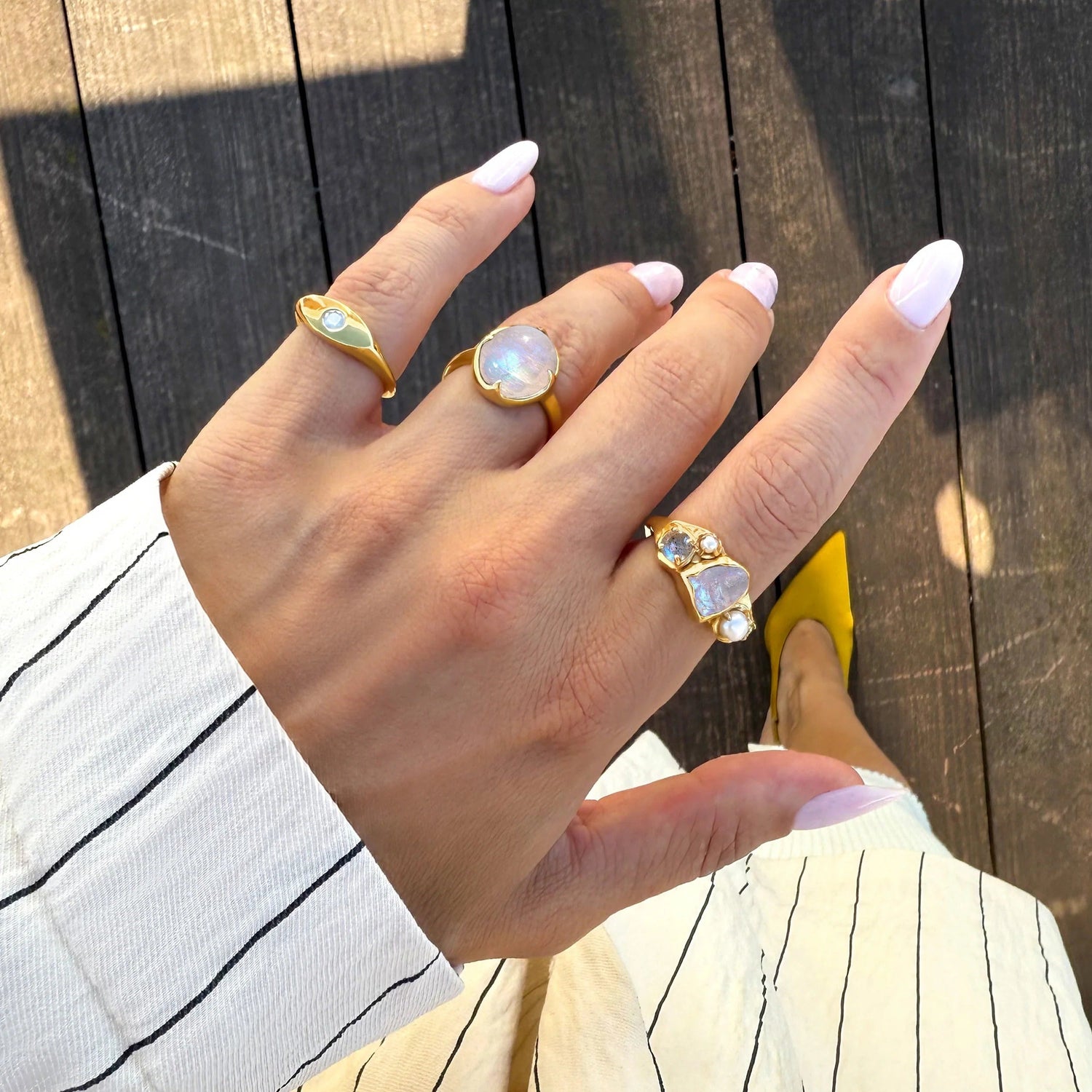
How to Identify Genuine vs. Fake Gemstones: A Buyer’s Guide
When purchasing gemstones, whether for jewelry or personal collection, it’s essential to know whether you’re investing in a genuine or fake stone. With synthetic, treated, and imitation gemstones becoming more common, distinguishing real from fake can be tricky, especially for those unfamiliar with gemstone characteristics.
This guide will help you understand the key differences between real and fake gemstones, common industry practices, and how to make informed purchasing decisions.
1. Understanding the Difference: Natural, Treated, Synthetic & Fake Gemstones
Before identifying a genuine gemstone, it’s important to understand the different categories of stones available in the market:
- Natural Gemstones: These are mined from the earth and formed naturally. They may have slight imperfections, inclusions, or color variations, which can be signs of authenticity.
- Treated Gemstones: These are natural stones that have undergone enhancements such as heat treatment, dyeing, or irradiation to improve color or clarity. Treated gems are real but have been altered.
- Synthetic Gemstones: Lab-created gems with the same chemical and physical properties as natural stones. They are not fake but are man-made rather than naturally formed.
- Imitation or Fake Gemstones: These stones do not have the same composition as the genuine gemstone they mimic. They are often made from glass, plastic, or composite materials.
Now that you know the different types of gemstones, let’s explore how to identify real vs. fake ones.
2. How to Identify Genuine vs. Fake Gemstones
Check the Color & Transparency
- Genuine gemstones have natural color variations and inclusions. If a stone looks too perfect, too bright, or too uniform in color, it may be fake or synthetic.
- Some treated gems have enhanced color that appears more vibrant than their natural counterparts. For example, untreated Amethyst has soft purple hues, while heat-treated Amethyst may appear intensely purple.
- Completely flawless stones are rare. Natural stones often have tiny inclusions or irregularities under magnification.
Examine the Surface & Texture
- Real gemstones have a natural hardness. If a stone scratches easily, it could be an imitation made of glass or plastic.
- Use the scratch test on softer materials (with caution). For example, a genuine Quartz can scratch glass, but a fake one will not.
- Check for bubbles inside the stone, these are often a sign of glass imitations.
Assess the Weight & Temperature
- Natural gemstones feel heavier than fake ones because they are denser. A plastic or glass imitation will feel much lighter than the real stone.
- Real gemstones stay cool to the touch even in warm conditions, whereas plastic and glass tend to warm up quickly.
Use a Magnifying Glass or Loupe
- Jewelers use a 10x magnification loupe to check for inclusions, which are tiny imperfections inside the stone.
- Fake stones or synthetic gems often appear too perfect with no inclusions or display unnatural-looking air bubbles.
Perform the Light Test
- Hold the stone up to the light and observe how it reflects light.
- Some real gemstones, like Turquoise and Lapis Lazuli, appear more opaque, while others, like Emerald and Peridot, have some transparency with slight inclusions.
- Fake stones may have an artificial shine or show unnatural light reflections.
Check for Dyed or Treated Stones
- Some real stones, like Quartz, Turquoise, and Jade, are often dyed to enhance their color.
- A simple test is to rub the stone with a cotton swab dipped in acetone (nail polish remover)—if the color comes off, it has been dyed.
Ask for Certification
- Reputable sellers provide gemstone certifications from recognized institutions like GIA (Gemological Institute of America) or IGI (International Gemological Institute).
- Always ask for documentation when purchasing high-value stones like Ruby, Emerald, or Aquamarine.
3. Common Fake Gemstones & How to Spot Them
Here are some frequently imitated gemstones and tips to identify them:
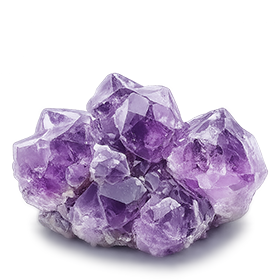
- Amethyst: Real Amethyst has subtle color variations and natural inclusions, while fake Amethyst appears overly bright or uniform in color.
- Turquoise: Genuine Turquoise is opaque with natural veining (matrix patterns), while fake Turquoise is often dyed Howlite or plastic.
- Emerald: Real Emeralds have tiny natural fractures (jardin inclusions), while synthetic or fake versions are too clear and perfect.
- Citrine: Natural Citrine has a golden-yellow to honey color, while many fake Citrines are actually heat-treated Amethyst with deep orange tones.
- Ruby: Genuine Ruby is extremely rare and has internal inclusions. Fake Rubies often appear too red, glassy, or completely clear.
- Lapis Lazuli: Real Lapis has golden pyrite flecks, while fake versions are dyed and lack the natural metallic specks.
Final Thoughts
Distinguishing between genuine and fake gemstones is essential for making an informed purchase. Natural gemstones will always have minor imperfections, inclusions, or natural variations, while synthetic or fake stones tend to look too perfect.
If you’re looking for authentic, high-quality gemstone jewelry, explore ethically sourced sterling silver rings, bracelets, and necklaces featuring real, untreated gemstones. Always trust your intuition, do your research, and buy from reputable sources to ensure you get a beautiful and genuine piece.


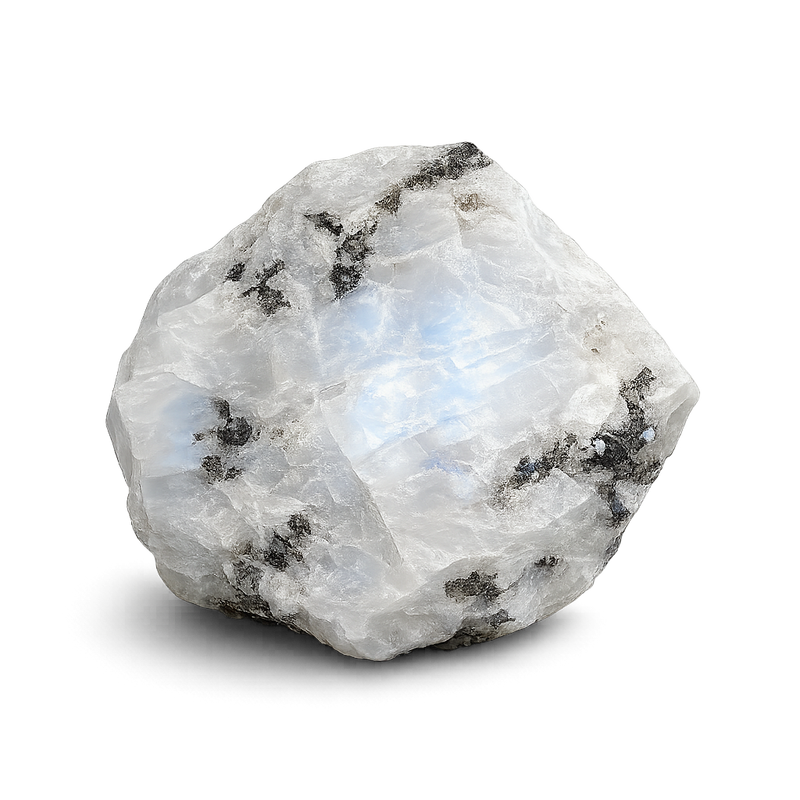
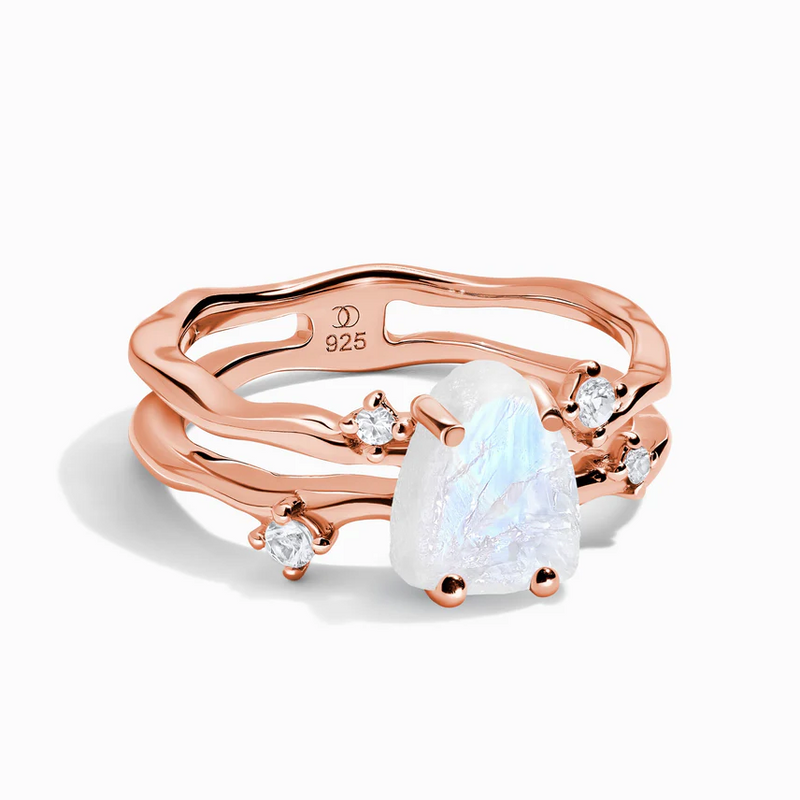

Behind the Scenes: The Process of Creating S-Brillet Jewelry
Jewelry is more than just an accessory—it’s a reflection of craftsmanship, passion, and artistry. At S-Brillet, every piece of jewelry is crafted with precision, high-quality materials, and a deep commitment to excellence. But have you ever wondered what goes into creating our stunning rings, necklaces, and bracelets? Take a behind-the-scenes look at the journey of S-Brillet jewelry, from raw materials to the finished masterpiece.
1. Sourcing the Finest Materials
The foundation of every exquisite piece starts with sourcing the highest quality materials. Our crystals and metals come from trusted suppliers worldwide:
- Silver & Gold – Ethically sourced from China for durability and timeless shine.
- Gemstones – Carefully selected from various parts of the world, including Amethyst from Brazil, Emerald from Colombia, and Turquoise from Iran.
We ensure that every stone meets our standards of purity, brilliance, and ethical sourcing.
2. Refining and Preparing the Metals
Once sourced, the metals undergo a refining process to remove impurities and enhance their durability. Through smelting and alloying, we create strong, lustrous metals that serve as the perfect setting for our gemstones.
3. Shaping and Cutting the Gemstones
Our skilled artisans carefully cut, polish, and shape each gemstone to enhance its natural beauty. Whether it’s a deep red Garnet from India or a shimmering Moonstone from Sri Lanka, every stone is hand-selected for its brilliance and energy.
4. Handcrafting the Jewelry
Every piece of S-Brillet jewelry is crafted with meticulous attention to detail. Our experts:
- Shape the metal settings by hand to ensure a perfect fit for the gemstone.
- Assemble each component carefully, ensuring the ring, necklace, or bracelet is structurally sound.
- Secure the gemstones in place with precise setting techniques to maximize their brilliance.
5. The Finishing Touch: Polishing and Coating
To achieve a flawless shine, every piece goes through multiple rounds of polishing. Then, we apply a protective plating in 18K gold, rose gold, or white gold, giving the jewelry its signature luxurious finish.
6. Quality Control and Certification
Before reaching our customers, every piece undergoes a rigorous quality inspection. We ensure:
- The gemstones are securely set.
- The metals are polished to perfection.
- The piece meets industry standards for durability and shine.
We also provide GIA (Gemological Institute of America) certification for select pieces, guaranteeing their authenticity and quality.
7. Luxury Packaging & Delivery
Finally, our jewelry is placed in elegant, protective packaging before being shipped to your doorstep. Our packaging is designed not just for protection but also to enhance the unboxing experience—because every S-Brillet piece is meant to make you feel special.
Craftsmanship You Can Trust
At S-Brillet, we believe that jewelry should be more than just beautiful—it should carry meaning, elegance, and exceptional craftsmanship. Every ring, necklace, and bracelet tells a story of artistry, passion, and dedication.
Discover the beauty of handcrafted luxury and find the perfect piece to complement your journey. Explore our collection today!
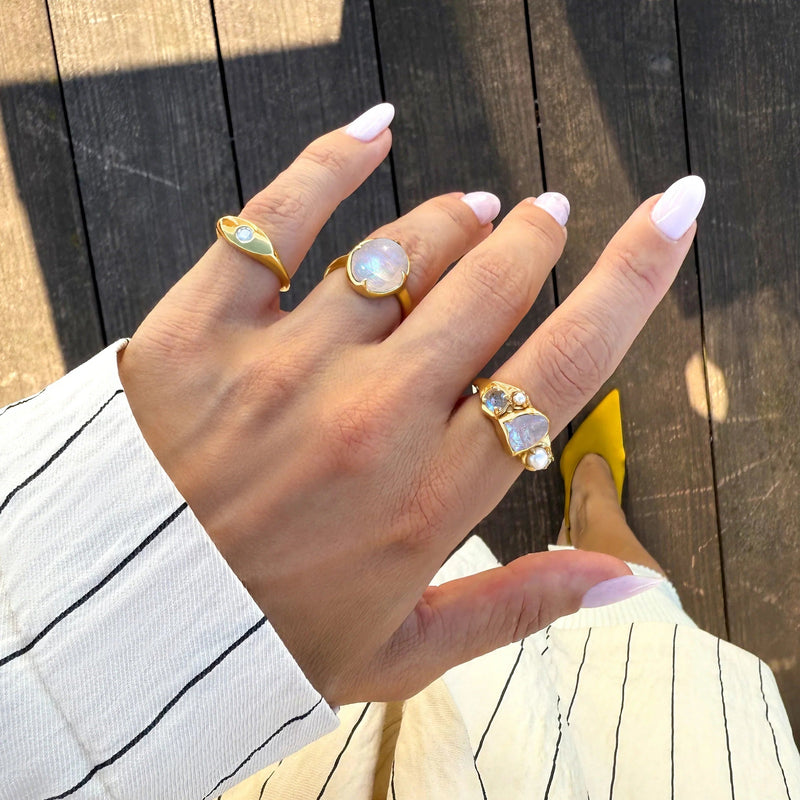
The Science of Crystal Energy: Why People Believe in Their Healing Power
Crystals have been used for centuries in various cultures for their beauty, symbolism, and believed energetic properties. But why do so many people turn to these natural gems for healing, balance, and spiritual connection? Let’s explore the fascinating world of crystal energy, the science behind it, and why people continue to believe in their power.
The Energy Within Crystals
Crystals are formed deep within the Earth under intense pressure and heat, giving them a highly organized atomic structure. This structure allows crystals to vibrate at a stable frequency, a phenomenon known as the Piezoelectric Effect. This effect is the same principle that makes quartz useful in watches and electronics—when pressure is applied, crystals generate an electrical charge. Some believe that this unique vibration allows crystals to interact with the body’s energy field, or aura, promoting balance and healing.
The Power of Belief and Placebo Effect
While scientific evidence on crystal healing remains limited, researchers have studied the placebo effect, which shows that belief alone can create real, positive changes in the body. In a famous study, participants who held fake crystals but were told they were real still experienced relaxation, warmth, and energy shifts. This suggests that the mind plays a crucial role in how we experience crystal energy.
How People Use Crystals for Healing
Many believe that crystals help absorb negative energy and amplify positive vibrations. Here are some common ways people use them:
- Meditation & Mindfulness – Holding a crystal, like Amethyst or Rose Quartz, while meditating can help deepen focus and relaxation.
- Chakra Balancing – Placing crystals on energy centers of the body, such as the heart or third eye, is thought to remove blockages and restore balance.
- Jewelry & Everyday Wear – Wearing gemstone rings, necklaces, or bracelets keeps the crystal’s energy close throughout the day.
- Home & Space Cleansing – Many people place crystals in their homes or workspaces to create a calming and protective atmosphere.
Popular Crystals and Their Believed Benefits
- Amethyst – Known for promoting calmness, spiritual awareness, and better sleep.
- Rose Quartz – Associated with love, emotional healing, and self-compassion.
- Citrine – Thought to attract success, joy, and positive energy.
- Black Obsidian – Used for protection against negative energy.
- Lapis Lazuli – Helps enhance intuition and communication.
Science Meets Spirituality
While crystal healing is not scientifically proven, the use of crystals for well-being continues to grow. Whether it’s through their natural beauty, energetic symbolism, or the power of belief, many find comfort and transformation in using crystals.
At S-Brillet, we source authentic, high-quality crystals that not only elevate your style but also serve as meaningful tools for personal growth. Explore our collection and find the gemstone that resonates with your energy today!
Why Handmade Jewelry is Worth the Investment
In a world filled with mass-produced jewelry, handmade pieces stand out as works of true craftsmanship. Each handcrafted ring, bracelet, or necklace tells a story, reflects skilled artistry, and offers unmatched quality. But why is handmade jewelry worth the investment? Here’s what makes artisan-crafted jewelry a meaningful and valuable choice.
1. Superior Craftsmanship and Attention to Detail
Handmade jewelry is created by skilled artisans who dedicate their time and expertise to each piece. Unlike mass-produced jewelry, which is made in bulk by machines, handmade pieces undergo a detailed crafting process.
- Each gemstone is individually set, ensuring a secure and long-lasting hold.
- Artisans carefully select high-quality materials such as 925 sterling silver and authentic gemstones.
- The finishing process is done by hand, ensuring a level of precision and durability that machine production cannot match.
Investing in handmade jewelry means choosing quality that lasts a lifetime.
2. Unique and One-of-a-Kind Designs
One of the most significant advantages of handmade jewelry is its uniqueness. Unlike factory-made pieces, which look identical, handcrafted jewelry features subtle variations that make each piece truly special.
- No two Moonstone rings or Turquoise bracelets are exactly alike.
- Artisans infuse creativity and originality into every design, ensuring a distinctive look.
- Many handmade jewelry pieces can be customized to suit individual preferences.
Wearing handmade jewelry allows for self-expression through rare and exclusive designs.
3. Ethical and Sustainable Sourcing
Mass-produced jewelry is often linked to unethical labor practices and unsustainable sourcing. Handmade jewelry, on the other hand, is typically crafted by artisans who prioritize responsible material sourcing and ethical production methods.
- Many artisans use conflict-free gemstones and responsibly sourced metals.
- Handmade jewelry brands often support fair wages and ethical working conditions for their artisans.
- Small-scale production reduces waste, making it a more sustainable choice compared to mass manufacturing.
Choosing handcrafted jewelry means making a responsible and ethical purchase.
4. Supporting Artisans and Small Businesses
When purchasing handmade jewelry, you are directly supporting independent artisans and small businesses rather than large corporations.
- Your purchase helps artisans continue their craft and preserve traditional jewelry-making techniques.
- Small businesses reinvest in their communities, contributing to local economic growth.
- Every piece is made with passion and care, rather than being mass-produced for profit.
Supporting handcrafted jewelry helps sustain skilled craftsmanship and artistry.
5. High-Quality Materials for Long-Lasting Jewelry
Handmade jewelry is often crafted from high-quality materials, ensuring durability and longevity.
- 925 Sterling Silver is a preferred metal for handmade jewelry due to its strength and timeless appeal.
- Carefully sourced gemstones such as Garnet, Amethyst, Emerald, and Lapis Lazuli enhance both beauty and authenticity.
- Artisans use expert techniques to secure stones properly, ensuring a sturdy and reliable piece.
Investing in handcrafted jewelry means owning timeless pieces that can last for generations.
6. Sentimental and Emotional Value
Handmade jewelry carries a personal touch that makes it more meaningful than mass-produced alternatives. Whether purchased as a gift or a personal keepsake, handcrafted jewelry often holds sentimental value.
- Custom designs allow for the selection of specific gemstones with personal significance.
- Many pieces reflect the artisan’s cultural heritage, traditions, or artistic vision.
- The effort and craftsmanship behind each piece add a deeper connection for the wearer.
A handcrafted piece is not just jewelry; it is a symbol of artistry, emotion, and history.
Final Thoughts: A Worthy Investment
Handmade jewelry is more than just an accessory—it is an investment in quality, uniqueness, sustainability, and craftsmanship. Whether you choose a handcrafted Ruby ring, a delicate Fluorite bracelet, or an intricately designed Peridot necklace, you are making a thoughtful and valuable choice.
If you are looking for high-quality, handcrafted jewelry, explore our collection today and experience the beauty of artisan craftsmanship.
How to Remove Tarnish from Silver Jewelry Without Damaging It
Sterling silver jewelry is timeless and elegant, but over time, it can develop a dull, dark tarnish. This happens due to exposure to air, moisture, and certain chemicals. The good news is that tarnish can be easily removed without damaging your silver jewelry. Whether you have a cherished 925 sterling silver ring, a delicate silver bracelet, or a statement necklace, here’s a guide to restoring its shine safely and effectively.
What Causes Silver Tarnish?
Tarnish forms when silver reacts with sulfur-containing compounds in the air, creating silver sulfide, which appears as a dark coating on the metal. Common causes of tarnishing include:
- Humidity and Moisture: Exposure to water, sweat, and high humidity can accelerate tarnishing.
- Chemicals & Beauty Products: Perfumes, lotions, and cleaning products can cause silver to darken.
- Oxygen & Sulfur Exposure: Airborne pollutants and even some foods (like eggs and onions) can contribute to tarnish.
Safe Ways to Remove Tarnish from Silver Jewelry
1. Mild Soap & Water (For Light Tarnish)
This is the gentlest method and is ideal for regular maintenance.
Steps:
- Mix a few drops of mild dish soap with warm water.
- Soak your silver jewelry for a few minutes.
- Use a soft toothbrush or microfiber cloth to gently scrub away tarnish.
- Rinse with clean water and pat dry with a soft cloth.
Best for: Routine cleaning and lightly tarnished jewelry.
2. Baking Soda & Water Paste (For Moderate Tarnish)
Baking soda is a natural, non-abrasive cleaner that helps lift tarnish without scratching silver.
Steps:
- Mix two parts baking soda with one part water to create a paste.
- Gently rub the paste onto the tarnished areas using a soft cloth or sponge.
- Let it sit for a few minutes, then rinse with warm water.
- Dry thoroughly with a soft, lint-free cloth.
Best for: Removing moderate tarnish while being gentle on silver.
3. Aluminum Foil & Baking Soda Soak (For Heavy Tarnish)
This method creates a natural chemical reaction that lifts tarnish without scrubbing.
Steps:
- Line a bowl with aluminum foil (shiny side up).
- Fill the bowl with hot water and add 1 tablespoon of baking soda and 1 tablespoon of salt per cup of water.
- Place your silver jewelry in the solution, making sure it touches the foil.
- Let it soak for 5–10 minutes.
- Remove, rinse thoroughly, and dry with a soft cloth.
Best for: Deep cleaning and restoring heavily tarnished silver.
4. White Vinegar & Baking Soda (For Stubborn Tarnish)
Vinegar helps break down tarnish while baking soda provides gentle scrubbing power.
Steps:
- Mix ½ cup of white vinegar with 2 tablespoons of baking soda in a bowl.
- Submerge your silver jewelry and let it soak for 2–3 hours.
- Rinse well with water and dry with a soft cloth.
Best for: Tough tarnish and restoring extra-dull silver.
5. Silver Polishing Cloth (For Quick Shine)
If your silver jewelry has light tarnish or just needs a quick refresh, a silver polishing cloth is a great option.
Steps:
- Gently rub the jewelry with a professional silver polishing cloth.
- Focus on tarnished areas but avoid over-polishing, especially on antique or oxidized silver designs.
Best for: Daily maintenance and quick touch-ups.
How to Prevent Tarnish on Silver Jewelry
- Store Properly: Keep silver jewelry in a dry, air-tight container or anti-tarnish pouch.
- Wear It Often: The natural oils in your skin help slow down tarnishing.
- Avoid Harsh Chemicals: Remove jewelry before swimming, cleaning, or applying lotions.
- Use Anti-Tarnish Strips: Place these in your jewelry box to absorb moisture and sulfur.
Final Thoughts
Sterling silver jewelry is beautiful, but it requires proper care to maintain its brilliance. By using these simple, safe cleaning methods, you can keep your rings, necklaces, and bracelets looking as radiant as the day you got them. Whether you need a quick polish or a deep tarnish removal, these techniques will ensure your silver jewelry stays in pristine condition.
Behind the Scenes: The Journey of Crafting Handcrafted Jewelry
Handcrafted jewelry is more than just an accessory, it’s a work of art infused with passion, skill, and tradition. Unlike mass-produced pieces, handcrafted jewelry carries a unique story, from the careful selection of materials to the meticulous process of shaping, setting, and polishing each gemstone. In this behind-the-scenes look, we explore the fascinating journey of creating handcrafted rings, necklaces, and bracelets, celebrating the craftsmanship and artistry that make each piece truly special.
Step 1: Selecting the Finest Materials
The journey begins with choosing high-quality metals and ethically sourced gemstones. At the heart of each design is 925 sterling silver, known for its durability and timeless beauty. Complementing the metal are handpicked gemstones, each carrying unique energies and symbolism.
Popular gemstones used in handcrafted jewelry include:
- Red Garnet (India): A stone of passion and strength.
- Amethyst (Brazil): Known for its calming and protective properties.
- Aquamarine (Brazil): Symbolizing clarity and tranquility.
- White Quartz (United States): A powerful energy amplifier.
- Emerald (Colombia): A symbol of wisdom and renewal.
- Moonstone (Sri Lanka): Enhancing intuition and feminine energy.
- Red Ruby (Thailand): Representing love and vitality.
- Green Peridot (Pakistan): A stone of positivity and joy.
- Lapis Lazuli (Afghanistan): Inspiring self-expression and wisdom.
- Pink Tourmaline (Brazil): Encouraging emotional healing and love.
- Citrine (Spain): Attracting prosperity and happiness.
- Turquoise (Iran): Offering protection and strength.
- Green Fluorite (Mexico): Enhancing mental clarity and focus.
- Rose Quartz (Brazil): The ultimate stone of love and compassion.
- Black Obsidian (Iceland): A grounding and protective stone.
Each gemstone is carefully inspected to ensure quality, authenticity, and ethical sourcing.
Step 2: Designing with Precision & Creativity
Once the materials are selected, the jewelry design process begins. Designers sketch ideas, considering elements such as stone placement, metalwork, and overall aesthetics.
Factors that influence the design process include:
- Gemstone Shape & Cut: The stone’s natural structure determines whether it will be raw, cabochon, or faceted.
- Ring, Necklace, or Bracelet Style: Each piece is designed to enhance the beauty of the stone and complement the wearer’s style.
- Handcrafted Details: Unique engravings, textures, or metal patterns that add depth and personality to the jewelry.
Step 3: The Art of Handcrafting
The jewelry-making process involves skilled artisans who bring the designs to life through traditional and modern techniques. Each piece goes through several key stages:
- Metalwork: The sterling silver is cut, shaped, and molded into the base structure.
- Stone Setting: The gemstone is carefully placed in a bezel, prong, or wire-wrapped setting.
- Polishing & Finishing: The jewelry is buffed to perfection, giving it a smooth and radiant shine.
Unlike machine-made pieces, handcrafted jewelry ensures attention to detail, making each item one of a kind.
Step 4: Final Touches & Quality Inspection
Before reaching customers, each piece undergoes a thorough quality check to ensure durability and craftsmanship. Jewelers examine:
- Stone Security: Ensuring the gemstone is firmly set.
- Metal Strength: Checking for any weak points or imperfections.
- Overall Finish: Verifying the polish and shine meet high standards.
The final step is packaging, where the jewelry is placed in eco-friendly, elegant boxes, ready to be worn and cherished.
Why Handcrafted Jewelry Stands Out
Handcrafted jewelry carries a sense of authenticity and artistry that mass-produced pieces simply can’t replicate. Some of the key reasons people choose handcrafted over machine-made include:
- Uniqueness: No two pieces are ever exactly alike.
- High-Quality Craftsmanship: Attention to detail ensures lasting durability.
- Ethical & Sustainable Sourcing: Support for fair trade and eco-friendly practices.
- Personalized Meaning: Every piece tells a story and holds energy.
Final Thoughts: More Than Just Jewelry
When you wear a handcrafted ring, necklace, or bracelet, you’re not just wearing jewelry—you’re wearing a piece of art, a symbol of tradition, and a connection to the energy of the earth. Each piece carries the passion, skill, and dedication of the artisans who crafted it, making it a truly special addition to your collection.
Are you ready to discover your perfect handcrafted gemstone jewelry? Explore our collection and find a piece that speaks to you.
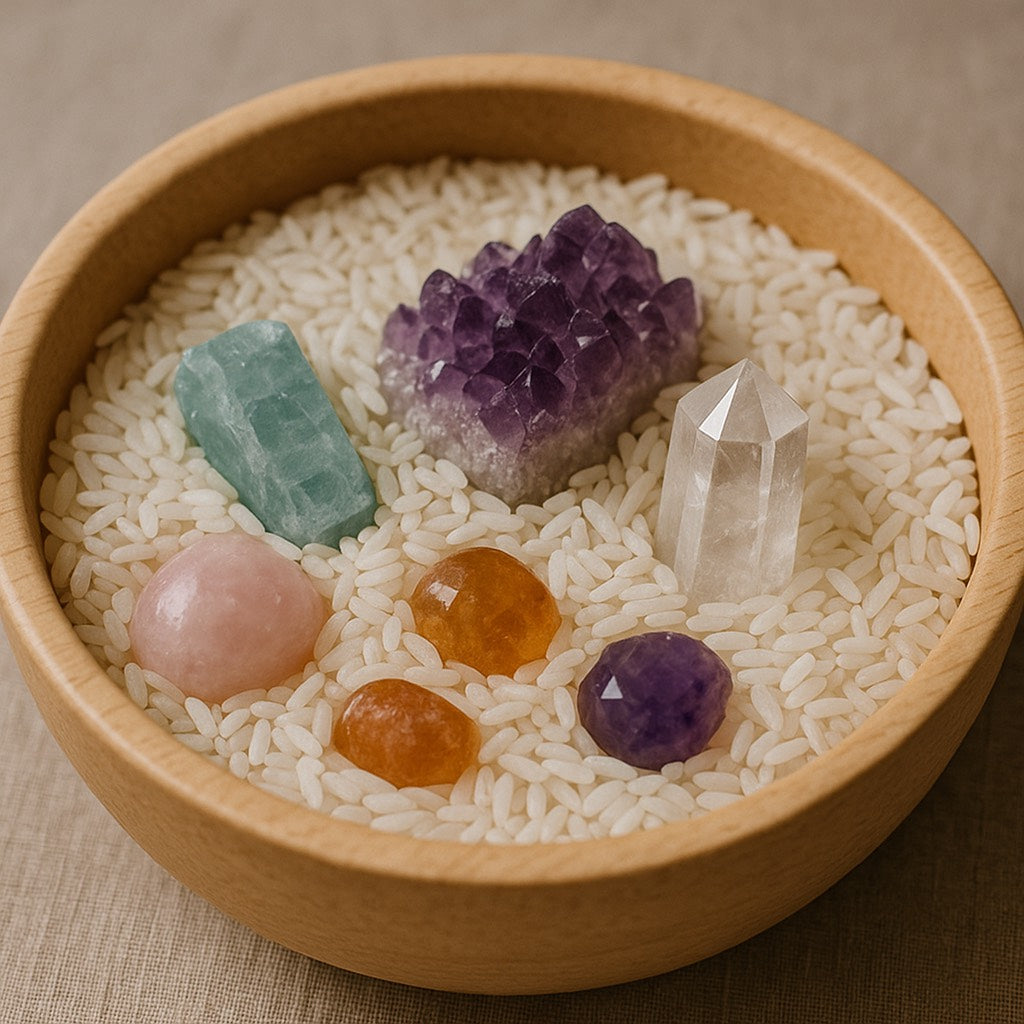
How to Choose the Perfect Ring: A Step-by-Step Guide
Choosing the perfect ring is an exciting yet sometimes overwhelming process. Whether you’re looking for an everyday accessory, a meaningful gift, or a statement piece, finding the right ring involves understanding style, fit, materials, and gemstones. This guide will walk you through step-by-step how to select a ring that perfectly suits your needs and personal taste.
Step 1: Determine the Purpose of the Ring
Before selecting a ring, consider why you’re buying it. Different types of rings serve different purposes, from casual wear to sentimental keepsakes.
- Everyday Rings: Simple bands or gemstone rings that match any outfit.
- Statement Rings: Bold designs meant to stand out.
- Symbolic Rings: Rings with spiritual, astrological, or personal meaning.
- Gift Rings: A thoughtful present for a loved one.
Knowing the purpose of the ring helps narrow down style choices and materials.
Step 2: Choose the Right Metal
The metal of the ring not only affects its appearance but also its durability. Here are some of the most popular choices:
- 925 Sterling Silver: A classic and durable option, perfect for everyday wear.
- Gold (Yellow, White, or Rose): Luxurious and timeless but may require maintenance.
- Platinum: Extremely durable but more expensive.
- Brass or Copper: Stylish and vintage but can tarnish over time.
Sterling silver is a top choice for both elegance and durability, making it ideal for various ring styles.
Step 3: Select the Perfect Gemstone
Gemstones add personality and meaning to a ring. Whether you’re drawn to the aesthetic beauty or symbolic energy of a stone, choosing the right one is essential.
Here are some stunning gemstone options:
- Red Garnet: Symbolizes passion, strength, and grounding energy.
- Amethyst: Promotes tranquility, protection, and spiritual awareness.
- Aquamarine: Represents clarity, calmness, and emotional balance.
- White Quartz: Known for its cleansing and amplifying energy.
- Emerald: Associated with renewal, wisdom, and love.
- Moonstone: Encourages intuition, feminine energy, and balance.
- Red Ruby: A stone of love, vitality, and confidence.
- Green Peridot: Brings luck, joy, and positive energy.
- Lapis Lazuli: Inspires wisdom, self-expression, and deep truth.
- Pink Tourmaline: A heart-centered stone that fosters love and emotional healing.
- Citrine: Attracts prosperity, joy, and success.
- Turquoise: A protective stone that symbolizes strength and fortune.
- Green Fluorite: A stone of focus, clarity, and mental balance.
- Rose Quartz: The ultimate crystal for love, compassion, and harmony.
- Black Obsidian: A grounding and protective stone that absorbs negativity.
Each gemstone has its own unique meaning, so choosing one that resonates with you can add an extra layer of significance to your ring.
Step 4: Find the Right Ring Size
A perfect ring should be comfortable yet secure on your finger. To find your ring size:
1. Use a Ring Sizer: A professional ring-sizing tool provides the most accurate measurement.
2. Measure an Existing Ring: If you have a ring that fits well, measure its diameter and compare it to a size chart.
3. Try the String Method: Wrap a piece of string around your finger, mark the length, and measure it against a ruler.
Keep in mind that finger size can change due to temperature or time of day, so measure when your hands are at a normal temperature.
Step 5: Consider the Ring Style
Rings come in various designs, from minimalistic to bold and intricate. Here are some common styles to consider:
- Solitaire: A single gemstone as the centerpiece.
- Halo: A center stone surrounded by smaller accent stones.
- Stackable Rings: Thin, delicate bands designed to be worn together.
- Vintage Rings: Ornate and antique-inspired designs.
- Modern Minimalist: Simple, sleek, and elegant.
If you love layering, consider stackable rings with different gemstones to create a unique, personalized look.
Step 6: Pay Attention to Craftsmanship & Quality
A well-crafted ring ensures durability and long-lasting beauty. Look for:
- High-quality metal: Avoid plated metals that wear off quickly.
- Secure gemstone settings: Ensure the stones are well-set to prevent loss.
- Smooth edges & finish: The ring should feel comfortable and polished.
Shopping from a reputable jeweler guarantees authentic gemstones and expert craftsmanship.
Step 7: Choose the Right Ring for Your Lifestyle
Your lifestyle plays a big role in choosing the right ring. Consider:
- Active Lifestyle: Opt for durable metals and bezel-set gemstones that won’t easily get damaged.
- Minimalist Style: Go for sleek, simple bands or delicate gemstone rings.
- Bold & Expressive Personality: Choose statement rings with vibrant gemstones.
Finding a ring that matches your daily routine and personal expression ensures you’ll love wearing it for years to come.
Final Thoughts
Choosing the perfect ring is a blend of style, quality, comfort, and meaning. By considering the metal, gemstone, ring size, and craftsmanship, you can find a piece that truly resonates with your personality and lifestyle.
Whether you’re looking for a simple stacking ring, a meaningful gemstone piece, or a bold statement ring, this guide will help you make an informed and confident choice.
How to Identify Genuine vs. Fake Gemstones: A Buyer’s Guide
When purchasing gemstones, whether for jewelry or personal collection, it’s essential to know whether you’re investing in a genuine or fake stone. With synthetic, treated, and imitation gemstones becoming more common, distinguishing real from fake can be tricky, especially for those unfamiliar with gemstone characteristics.
This guide will help you understand the key differences between real and fake gemstones, common industry practices, and how to make informed purchasing decisions.
1. Understanding the Difference: Natural, Treated, Synthetic & Fake Gemstones
Before identifying a genuine gemstone, it’s important to understand the different categories of stones available in the market:
- Natural Gemstones: These are mined from the earth and formed naturally. They may have slight imperfections, inclusions, or color variations, which can be signs of authenticity.
- Treated Gemstones: These are natural stones that have undergone enhancements such as heat treatment, dyeing, or irradiation to improve color or clarity. Treated gems are real but have been altered.
- Synthetic Gemstones: Lab-created gems with the same chemical and physical properties as natural stones. They are not fake but are man-made rather than naturally formed.
- Imitation or Fake Gemstones: These stones do not have the same composition as the genuine gemstone they mimic. They are often made from glass, plastic, or composite materials.
Now that you know the different types of gemstones, let’s explore how to identify real vs. fake ones.
2. How to Identify Genuine vs. Fake Gemstones
Check the Color & Transparency
- Genuine gemstones have natural color variations and inclusions. If a stone looks too perfect, too bright, or too uniform in color, it may be fake or synthetic.
- Some treated gems have enhanced color that appears more vibrant than their natural counterparts. For example, untreated Amethyst has soft purple hues, while heat-treated Amethyst may appear intensely purple.
- Completely flawless stones are rare. Natural stones often have tiny inclusions or irregularities under magnification.
Examine the Surface & Texture
- Real gemstones have a natural hardness. If a stone scratches easily, it could be an imitation made of glass or plastic.
- Use the scratch test on softer materials (with caution). For example, a genuine Quartz can scratch glass, but a fake one will not.
- Check for bubbles inside the stone, these are often a sign of glass imitations.
Assess the Weight & Temperature
- Natural gemstones feel heavier than fake ones because they are denser. A plastic or glass imitation will feel much lighter than the real stone.
- Real gemstones stay cool to the touch even in warm conditions, whereas plastic and glass tend to warm up quickly.
Use a Magnifying Glass or Loupe
- Jewelers use a 10x magnification loupe to check for inclusions, which are tiny imperfections inside the stone.
- Fake stones or synthetic gems often appear too perfect with no inclusions or display unnatural-looking air bubbles.
Perform the Light Test
- Hold the stone up to the light and observe how it reflects light.
- Some real gemstones, like Turquoise and Lapis Lazuli, appear more opaque, while others, like Emerald and Peridot, have some transparency with slight inclusions.
- Fake stones may have an artificial shine or show unnatural light reflections.
Check for Dyed or Treated Stones
- Some real stones, like Quartz, Turquoise, and Jade, are often dyed to enhance their color.
- A simple test is to rub the stone with a cotton swab dipped in acetone (nail polish remover)—if the color comes off, it has been dyed.
Ask for Certification
- Reputable sellers provide gemstone certifications from recognized institutions like GIA (Gemological Institute of America) or IGI (International Gemological Institute).
- Always ask for documentation when purchasing high-value stones like Ruby, Emerald, or Aquamarine.
3. Common Fake Gemstones & How to Spot Them
Here are some frequently imitated gemstones and tips to identify them:
- Amethyst: Real Amethyst has subtle color variations and natural inclusions, while fake Amethyst appears overly bright or uniform in color.
- Turquoise: Genuine Turquoise is opaque with natural veining (matrix patterns), while fake Turquoise is often dyed Howlite or plastic.
- Emerald: Real Emeralds have tiny natural fractures (jardin inclusions), while synthetic or fake versions are too clear and perfect.
- Citrine: Natural Citrine has a golden-yellow to honey color, while many fake Citrines are actually heat-treated Amethyst with deep orange tones.
- Ruby: Genuine Ruby is extremely rare and has internal inclusions. Fake Rubies often appear too red, glassy, or completely clear.
- Lapis Lazuli: Real Lapis has golden pyrite flecks, while fake versions are dyed and lack the natural metallic specks.
Final Thoughts
Distinguishing between genuine and fake gemstones is essential for making an informed purchase. Natural gemstones will always have minor imperfections, inclusions, or natural variations, while synthetic or fake stones tend to look too perfect.
If you’re looking for authentic, high-quality gemstone jewelry, explore ethically sourced sterling silver rings, bracelets, and necklaces featuring real, untreated gemstones. Always trust your intuition, do your research, and buy from reputable sources to ensure you get a beautiful and genuine piece.
What Are Raw vs. Polished Crystals? Differences & Benefits
Crystals have long been admired for their beauty and energy, but did you know that their form—whether raw or polished—can influence how they are used and experienced? Understanding the differences between raw and polished crystals can help you choose the right one for your personal needs, whether you are drawn to their spiritual properties, aesthetic appeal, or practical use in jewelry.
What Are Raw Crystals?
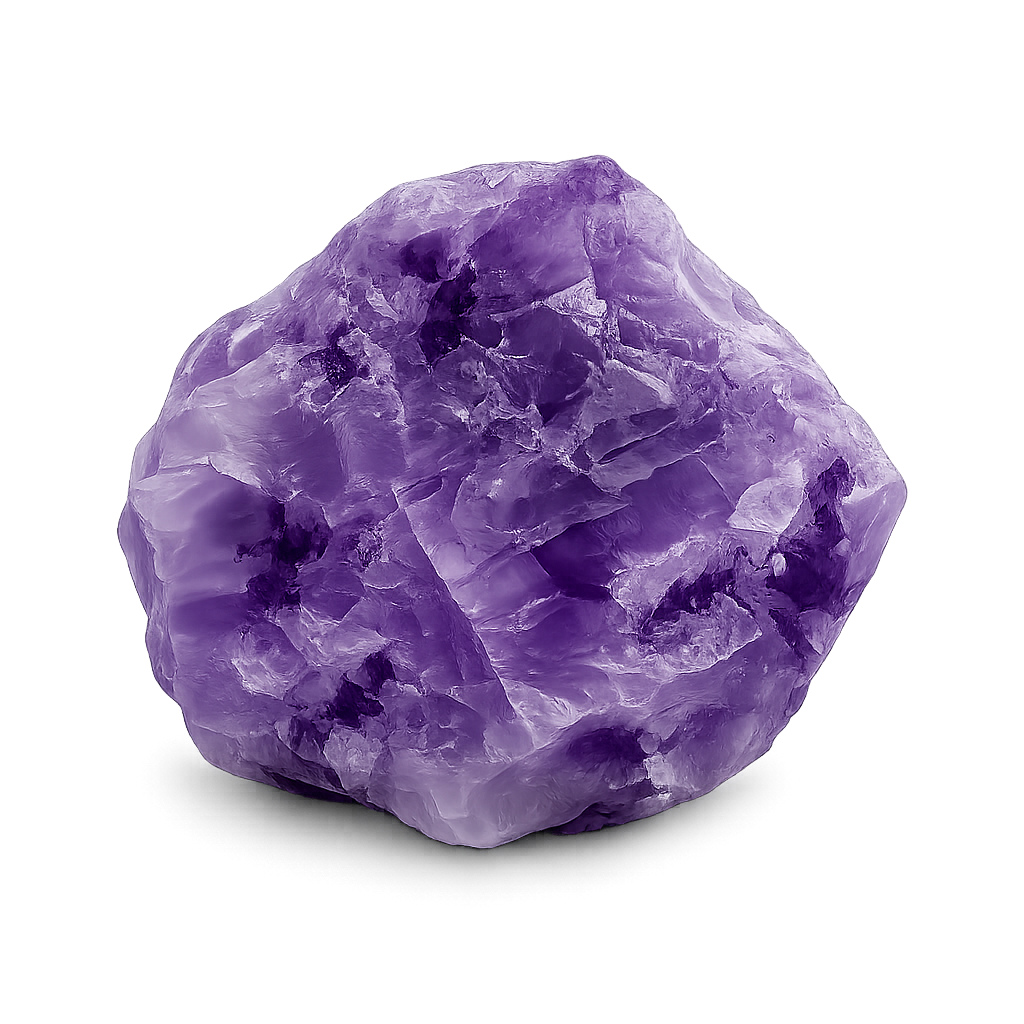
Raw crystals, also known as natural or rough stones, are uncut and unpolished, remaining in their original form as they were found in nature. These stones typically have a rugged texture, irregular shapes, and an earthy, untouched appearance. Many crystal enthusiasts believe raw stones hold a more powerful and pure energy since they have not been altered or refined.
One of the key benefits of raw crystals is their strong, unfiltered energy, making them ideal for spiritual practices such as meditation, manifestation, and energy healing. Because they remain in their natural state, they are often used in crystal grids, altars, and home décor to cleanse and balance the environment.
Another advantage of raw crystals is their affordability. Since they do not require additional processing, they are generally less expensive than polished stones. This makes them a great choice for those looking to build a crystal collection without a high investment.
However, raw crystals can be more fragile and prone to chipping or breaking, especially if they contain delicate formations. They are best suited for display, ritual work, or carrying carefully in a pouch, rather than daily wear as jewelry.
Popular examples of raw crystals include Amethyst, Black Obsidian, and Rose Quartz, which are often used for protection, emotional healing, and love energy.
What Are Polished Crystals?
Polished crystals, sometimes referred to as tumbled, faceted, or cut stones, have been smoothed and shaped to enhance their appearance and usability. These stones may undergo a tumbling process that rounds their edges, or they may be cut into specific shapes such as spheres, points, or cabochons for jewelry.
One of the main benefits of polished crystals is their aesthetic appeal. Their smooth, reflective surface enhances their natural beauty, making them a popular choice for jewelry, decorative pieces, and personal carrying stones.
Polished crystals are also more comfortable to handle and wear compared to rough stones. Their smooth texture makes them ideal for rings, necklaces, and bracelets, as well as for holding during meditation. Because of their refined appearance, polished stones are often used as gifts, worry stones, and feng shui enhancements in homes and offices.
Additionally, polished stones tend to be more durable than raw crystals. The smoothing process reduces the risk of chipping or breakage, making them a better option for everyday use.
Some popular polished gemstones include Moonstone, Lapis Lazuli, and Citrine, which are frequently used in jewelry and spiritual practices.
Raw vs. Polished Crystals: Which One Should You Choose?
Choosing between raw and polished crystals depends on your personal preferences and intended use. If you are looking for stronger, untouched energy, raw crystals may be the better option for meditation, healing, and spiritual work. Their natural form connects deeply with the earth, making them powerful tools for grounding and energy cleansing.
On the other hand, if you prefer something sleek, refined, and wearable, polished stones are an excellent choice. They are perfect for jewelry, carrying in a pocket or purse, or using in energy work where a smoother surface is preferable.
In terms of durability, polished crystals are generally stronger and more resistant to damage, while raw stones can be fragile and require more careful handling.
For those who enjoy the aesthetic beauty of crystals, polished stones offer a luxurious and elegant appearance, while raw stones exude a natural, rustic charm.
Ultimately, the best approach is to incorporate both types into your collection, using them in different ways depending on your needs. For example, you might place a raw Black Obsidian near your front door for protection, while wearing a polished Black Obsidian bracelet for daily energy shielding. Similarly, you could keep a raw Amethyst cluster in your bedroom for relaxation, while carrying a polished Amethyst stone in your pocket to promote calmness throughout the day.
Can Raw and Polished Crystals Be Used Together?
Yes, raw and polished crystals complement each other beautifully. Many crystal practitioners and collectors use both to enhance different aspects of their energy work and lifestyle. A raw crystal’s natural power can be balanced with a polished stone’s refined energy, creating a harmonious and effective combination.
For example, if you are working on self-love and healing, you could use a raw Rose Quartz for deep emotional work at home, while wearing a polished Rose Quartz necklace to carry that loving energy with you throughout the day. Similarly, a raw Citrine piece can be placed on your work desk to attract abundance, while a polished Citrine bracelet helps maintain a positive mindset.
Final Thoughts
Both raw and polished crystals have their own unique energy, beauty, and purpose. Whether you are drawn to the strong, untouched energy of raw stones or the sleek, wearable appeal of polished gems, there is no wrong choice—only what feels right for you.
If you’re looking to explore high-quality gemstone jewelry, consider choosing ethically sourced sterling silver rings, bracelets, and necklaces featuring stunning polished crystals. Or, if you prefer the natural look, find a beautiful raw crystal to enhance your spiritual practice.
Whatever you choose, let your intuition guide you and enjoy the energy of these incredible stones.

The Art of Layering Jewelry: Rings, Necklaces & Bracelets
Layering jewelry is a stylish and creative way to express your personality, elevate your outfit, and make a statement. Whether you’re stacking delicate rings, layering necklaces of different lengths, or mixing bracelets for a trendy wrist stack, the key to mastering this art is balance and coordination.
In this guide, we’ll explore expert tips for layering rings, necklaces, and bracelets to create a stylish, personalized jewelry look.
1. Start with a Statement Piece
The easiest way to build a layered look is to choose one standout piece as the focal point. This could be:
- A bold gemstone ring, such as a Red Ruby or Green Peridot ring.
- A pendant necklace featuring a Moonstone or Lapis Lazuli stone.
- A cuff bracelet that draws attention to your wrist.
Once you have your statement piece, layer other jewelry around it in a way that enhances its beauty without overpowering it.
2. Layering Necklaces: Mixing Lengths & Styles
To achieve a balanced and eye-catching layered necklace look, follow these steps:
- Vary the lengths – Combine short, medium, and long necklaces to create a cascading effect. For example, pair a choker with a mid-length Aquamarine pendant necklace and a longer chain.
- Mix textures and chain styles – Combine dainty chains with chunkier pieces to add depth.
- Choose complementary gemstones – If you’re wearing a Citrine necklace, pair it with a subtle White Quartz or Turquoise pendant for a harmonious color combination.
When layering multiple necklaces, keep the overall look balanced. If one piece is bold, keep the others more delicate.
3. Stacking Rings: Balancing Bold and Delicate Pieces
Stacking rings allows you to create a unique combination of styles and gemstones. Here’s how to perfect the look:
- Mix statement and simple bands – A Black Obsidian ring pairs beautifully with thin, minimalist sterling silver bands.
- Combine different shapes – Round, oval, and geometric shapes create a visually interesting effect.
- Experiment with multiple fingers – Don’t limit your rings to just one finger. Try stacking on different fingers for a well-balanced look.
For a cohesive style, stick to a common element, such as a consistent metal (like 925 sterling silver) or a matching gemstone color palette.
4. Bracelet Stacking: Creating the Perfect Wrist Stack
Layering bracelets is a great way to add personality to your outfit. Follow these tips to build a stylish wrist stack:
- Mix chain styles and bangles – Pair a delicate chain bracelet with a beaded gemstone bracelet for texture.
- Combine different gemstones – For example, a Rose Quartz bracelet can be paired with a Pink Tourmaline or Amethyst bracelet for a soft, feminine look.
- Play with proportions – Mix thin, subtle pieces with a statement cuff for contrast.
Just like with necklaces and rings, layering bracelets should feel effortless, with a mix of textures and sizes to create interest.
5. Mixing Metals: Silver, Gold & Beyond
Gone are the days of only wearing one metal at a time. Mixing metals—like gold and silver—adds an edgy, contemporary feel to your jewelry styling. Here’s how to do it right:
- Stick to a dominant metal – If most of your jewelry is silver, add just one or two gold accents for contrast.
- Use gemstones to unify the look – A Green Fluorite ring in silver can be paired with a gold chain necklace featuring a matching stone to create cohesion.
- Layer with intention – Instead of randomly combining pieces, make sure they complement each other in size, shape, and color.
6. Consider Your Outfit & Occasion
Your jewelry layers should match your outfit and the event you’re attending. Here’s how to adjust your styling accordingly:
- Casual Look – Keep it light and effortless. Try a stack of thin rings, a dainty layered necklace, and a couple of bracelets for everyday wear.
- Office or Professional Setting – Opt for one layered necklace with subtle gemstone accents and a matching ring for a polished look.
- Evening or Special Occasions – Go bold with a statement gemstone necklace, stacked rings, and layered bangles for a more dramatic effect.
The key is to strike the right balance between effortless and elegant, depending on the occasion.
7. Personalize Your Layers
Layering jewelry allows you to tell your own story. Add a personal touch with:
- Birthstones – Wear a Garnet ring (January birthstone) or a Turquoise bracelet (December birthstone) for a meaningful connection.
- Sentimental pieces – Mix in vintage or heirloom jewelry with modern designs.
- Zodiac & spiritual pieces – Combine Moonstone (intuition and femininity) with Lapis Lazuli (wisdom and truth) for a spiritual energy boost.
By personalizing your jewelry layers, you can create a look that reflects your personality and style.
Final Thoughts: Create Your Signature Jewelry Look
Mastering the art of layering jewelry is all about balance, creativity, and personal expression. Whether you’re stacking rings, layering necklaces, or mixing bracelets, the key is to combine different textures, shapes, and gemstones while keeping the overall look cohesive.
At S-Brillet, we offer a collection of 925 sterling silver rings, necklaces, and bracelets featuring ethically sourced gemstones—perfect for layering. Explore our selection to create your own unique and stylish jewelry combinations.

The Ultimate Guide to Crafting Gemstone Jewelry: From Raw Stone to Stunning Piece
Gemstone jewelry is more than just a fashion statement—it is an art form that combines nature’s beauty with expert craftsmanship. The journey from a raw, uncut gemstone to a polished, stunning piece of jewelry requires skill, precision, and creativity. Whether you’re fascinated by the process or considering investing in handcrafted jewelry, understanding the art of gemstone crafting will give you a deeper appreciation for the pieces you wear.
In this guide, we’ll take you through the step-by-step process of crafting gemstone jewelry, from selecting the finest stones to shaping, setting, and finishing each piece.
1. Selecting the Right Gemstones
The first step in crafting gemstone jewelry is selecting high-quality stones. Every gemstone has unique characteristics, including color, hardness, and inclusions, which influence how it is shaped and used in jewelry.
Key Factors in Choosing Gemstones:
- Color & Clarity – The more vibrant and clear a stone is, the higher its value. Stones like Red Ruby, Green Peridot, and Pink Tourmaline are prized for their rich, intense colors.
- Durability – Some stones, like Black Obsidian and Moonstone, are softer and require extra care, while others, like Emerald and Citrine, are more durable for daily wear.
- Ethical Sourcing – At S-Brillet, we prioritize ethically sourced gemstones from reputable locations like Brazil, Sri Lanka, and Colombia, ensuring that our materials are responsibly mined.
2. Cutting & Shaping the Gemstone
Once a gemstone is selected, it must be carefully cut and shaped to enhance its natural beauty. Skilled artisans use different cutting styles depending on the desired look and how the stone will be used in jewelry.
Popular Gemstone Cutting Techniques:
- Faceted Cuts – These cuts have multiple flat surfaces to maximize brilliance. Examples include the round, princess, and oval cuts, which are commonly used for stones like Amethyst, Red Garnet, and Aquamarine.
- Cabochon Cuts – A smooth, polished, domed shape that enhances the depth of gemstones like Lapis Lazuli, Black Obsidian, and Turquoise.
- Step Cuts – Rectangular facets that showcase clarity, often used for Emeralds and White Quartz.
The cutting process requires extreme precision, as even a slight miscalculation can affect the stone’s value and appearance.
3. Gemstone Polishing: Bringing Out the Shine
After cutting, the gemstone must be polished to achieve its final luster. Polishing removes rough edges, enhances clarity, and brings out the stone’s natural color.
Polishing is done using diamond-tipped tools and fine abrasives, ensuring that each stone achieves a flawless finish. The process may take several hours or even days, depending on the complexity of the cut and the hardness of the stone.
4. Designing & Setting the Gemstone in Jewelry
Once the gemstone is shaped and polished, it’s time to design the jewelry piece. The choice of metal and setting style plays a crucial role in complementing the gemstone.
Popular Setting Styles:
- Prong Setting – A classic setting that holds the gemstone with small metal prongs, allowing maximum light exposure for brilliance. Ideal for Red Ruby and Green Peridot rings.
- Bezel Setting – A protective metal rim encircles the gemstone, providing durability and a sleek, modern look—perfect for Moonstone and Black Obsidian necklaces.
- Pavé Setting – Small gemstones are set closely together, creating a dazzling effect, often used in Citrine and Pink Tourmaline bracelets.
The setting is carefully crafted to ensure that the gemstone is secure while enhancing its beauty.
5. Crafting the Jewelry: The Art of Metalwork
At S-Brillet, we use 925 sterling silver as the base for our gemstone jewelry. This metal is known for its durability, shine, and ability to complement a wide range of gemstones.
Crafting sterling silver jewelry involves:
- Molding and Shaping the Metal – Silver is melted and shaped into rings, necklaces, or bracelet frames.
- Engraving & Texturing – Artisans add intricate details to enhance the design.
- Polishing & Finishing – The final step ensures the jewelry has a smooth, high-quality shine.
This process ensures that each piece is unique, elegant, and long-lasting.
6. Final Quality Inspection & Finishing Touches
Before a piece is ready to be worn, it goes through a final inspection to check for any imperfections. This step ensures that:
- The gemstone is securely set.
- The metalwork is flawless and polished.
- The overall design meets the highest quality standards.
Once approved, the jewelry is given a final polish and packaged for sale.
7. Caring for Your Handcrafted Gemstone Jewelry
To keep your gemstone jewelry looking beautiful for years, follow these care tips:
- Store Properly – Keep jewelry in a soft pouch or jewelry box to prevent scratches.
- Clean Regularly – Use a soft cloth and mild soap to remove dirt and oils. Avoid harsh chemicals that can damage the stones.
- Charge & Cleanse Crystals – For spiritual and healing gemstones like Rose Quartz and Lapis Lazuli, cleanse them under moonlight or with sage to maintain their energy.
With proper care, handcrafted gemstone jewelry can remain a timeless and cherished part of your collection.
Final Thoughts: The Beauty of Handmade Gemstone Jewelry
Crafting gemstone jewelry is a blend of nature, artistry, and craftsmanship. From selecting ethically sourced stones to cutting, shaping, and setting them in high-quality 925 sterling silver, every step requires precision and dedication.
At S-Brillet, we take pride in offering handcrafted gemstone rings, necklaces, and bracelets made with the highest level of care and expertise. Whether you’re drawn to the deep blues of Lapis Lazuli, the fiery brilliance of Red Ruby, or the soft glow of Moonstone, our collection has something unique for you
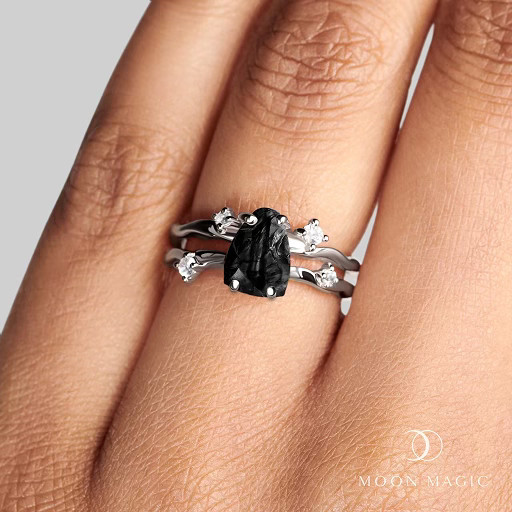
Why Ethical Sourcing Matters in the Jewelry Industry
The Importance of Sustainable, Conflict-Free Gemstones and Metals
Jewelry has long been a symbol of beauty, love, and self-expression. However, behind the sparkle of gemstones and precious metals lies an industry that has historically been linked to environmental damage, unethical labor practices, and conflict financing. Today, ethical sourcing is more important than ever, ensuring that jewelry is not only beautiful but also responsibly sourced.
At S-Brillet, we are committed to providing high-quality rings, necklaces, and bracelets featuring ethically sourced gemstones and metals. In this guide, we’ll explore why ethical sourcing matters, how it impacts the world, and what to look for when choosing sustainable jewelry.
What Is Ethical Sourcing in Jewelry?
Ethical sourcing means that gemstones and metals are mined, processed, and traded in a way that:
- Protects human rights – Ensuring fair wages, safe working conditions, and no child or forced labor.
- Supports local communities – Contributing to the economic and social development of mining regions.
- Minimizes environmental harm – Reducing deforestation, water pollution, and carbon emissions.
- Avoids conflict financing – Preventing the sale of “blood diamonds” or other materials linked to armed conflicts.
By choosing ethically sourced jewelry, customers can enjoy their pieces with confidence, knowing that they support a responsible and sustainable supply chain.
Why Ethical Sourcing Matters
1. Protecting Human Rights
Many gemstones, including diamonds, rubies, and sapphires, have been historically associated with exploitative labor conditions. In some regions, workers—many of them children—are subjected to dangerous mining conditions, low wages, and poor treatment.
Ethical sourcing ensures that:
- Workers receive fair wages.
- Safe working environments are maintained.
- No child or forced labor is involved.
For example, S-Brillet sources Red Ruby from Thailand and Green Peridot from Pakistan, ensuring they come from mines that meet strict ethical labor standards.
2. Reducing Environmental Impact
Traditional mining methods can lead to deforestation, soil erosion, water pollution, and habitat destruction. Ethical mining focuses on minimizing these effects through:
- Responsible waste management.
- Sustainable land rehabilitation.
- Reduced carbon emissions and water conservation.
For instance, our Black Obsidian from Iceland is sourced through environmentally responsible methods that limit damage to local ecosystems.
3. Supporting Fair Trade & Local Communities
Ethical gemstone sourcing helps mining communities by:
- Providing stable jobs and fair wages.
- Investing in local infrastructure such as schools and healthcare.
- Encouraging fair trade practices that benefit artisans and miners alike.
For example, our Lapis Lazuli from Afghanistan supports small-scale mining communities, ensuring fair compensation and long-term economic stability.
4. Avoiding Conflict Gems & Metals
“Conflict gems,” also known as “blood diamonds” or conflict minerals, are sourced from war zones where proceeds fund armed conflicts and human rights abuses. Choosing conflict-free gemstones ensures that your jewelry does not contribute to violence or exploitation.
All gemstones at S-Brillet, including Amethyst from Brazil and Turquoise from Iran, are sourced from conflict-free regions, ensuring transparency and ethical trading practices.
Choosing Ethical Jewelry for a Better Future
At S-Brillet, we are committed to sourcing 925 sterling silver and natural gemstones responsibly, ensuring that every piece of jewelry meets ethical and environmental standards.
Ethical sourcing is more than just a trend—it’s a responsibility. By choosing sustainable and conflict-free jewelry, you support fair labor practices, environmental conservation, and the well-being of mining communities worldwide.

Jewelry & Crystal Pairing: How to Match Stones for Maximum Energy
The Power of Combining Crystals for Healing and Balance
Each crystal has its own unique energy, but when paired correctly, their effects can be enhanced, creating a stronger influence on the mind, body, and spirit. Whether you are looking for emotional healing, protection, or clarity, the right combination of stones can help you achieve your desired energy balance.
When incorporated into jewelry, these pairings allow you to carry their benefits with you throughout the day. Rings, bracelets, and necklaces with complementary crystals can work together to amplify their effects.
How to Choose the Right Crystal Pairings
Not all crystals work well together, so it’s important to pair them intentionally. Here are three key approaches to creating powerful combinations:
1. Pair Similar Energies – Some stones naturally complement each other by enhancing shared properties. For example, Amethyst and Moonstone both support intuition and emotional balance.
2. Balance Opposing Energies – Certain stones work well together by bringing harmony to contrasting qualities. Garnet, which represents passion and strength, pairs well with Aquamarine, known for its calming and soothing energy.
3. Support a Specific Intention – If you have a particular goal, such as attracting love or increasing focus, choose stones that align with that purpose. Citrine and Green Fluorite, for example, are both excellent for success and motivation.
Now, let’s explore some of the best crystal pairings and how they work together.
Best Crystal Pairings for Different Energies
Love & Emotional Healing – Rose Quartz + Pink Tourmaline
Rose Quartz is known for promoting unconditional love and compassion, while Pink Tourmaline supports deep emotional healing. Together, they encourage self-acceptance, strengthen relationships, and bring emotional balance.
Best Jewelry Choice: A Rose Quartz and Pink Tourmaline necklace or bracelet helps keep the heart open and emotions in harmony.
Protection & Grounding – Black Obsidian + Lapis Lazuli
Black Obsidian is a powerful stone for shielding against negative energy, while Lapis Lazuli enhances wisdom and truth. Together, they create a strong protective barrier while promoting clarity and self-awareness.
Best Jewelry Choice: A Black Obsidian and Lapis Lazuli ring offers both protection and insight throughout the day.
Confidence & Success – Citrine + Green Fluorite
Citrine is known for attracting abundance and joy, while Green Fluorite enhances focus and organization. This combination is ideal for those seeking motivation, financial success, or personal growth.
Best Jewelry Choice: A Citrine and Green Fluorite bracelet can provide clarity and energy in career or business pursuits.
Calmness & Emotional Balance – Moonstone + Amethyst
Moonstone encourages inner peace and emotional stability, while Amethyst strengthens intuition and spiritual awareness. Together, they help ease stress, improve focus, and support emotional healing.
Best Jewelry Choice: A Moonstone and Amethyst necklace keeps the mind and emotions balanced throughout the day.
Strength & Passion – Red Garnet + Aquamarine
Red Garnet is a stone of passion, vitality, and courage, while Aquamarine brings a sense of calm and balance. This pairing is great for those who need to stay motivated while managing stress.
Best Jewelry Choice: A Red Garnet and Aquamarine ring offers both strength and serenity in challenging situations.
How to Wear and Care for Crystal Pairings
To get the most out of your crystal combinations, follow these simple guidelines:
- Wear Your Crystals Daily – Consistency is key when working with energy, so incorporating these stones into your everyday jewelry will help maintain their influence.
- Cleanse and Recharge Regularly – Crystals absorb energy from their surroundings, so cleanse them using methods like moonlight, sage smoke, or water (if the stone is water-safe).
- Set an Intention – Before wearing your jewelry, hold the piece in your hands and focus on your goal, allowing the crystals to align with your energy.
Find the Perfect Crystal Jewelry for You
Choosing the right crystal pairings in jewelry can help you feel more balanced, confident, and aligned with your intentions. Whether you are looking for love, protection, or success, combining the right gemstones can enhance your energy in powerful ways.

The Spiritual Connection Between Crystals & Astrology
Find the Perfect Crystal for Your Zodiac Sign & Enhance Your Energy
Astrology and crystals have been deeply connected for centuries, both offering guidance, energy, and healing based on the unique vibrations of the universe. Each zodiac sign carries its own set of strengths and challenges, and certain crystals can help amplify positive traits while balancing weaknesses.
By choosing a crystal that aligns with your zodiac sign, you can harness personalized energy that supports your growth, intuition, and well-being. Whether you’re seeking clarity, love, protection, or success, there’s a perfect gemstone to enhance your astrological power.
Let’s explore the best crystals for each zodiac sign and how they can elevate your energy.
Aries (March 21 – April 19) → Red Garnet
For Passion, Strength & Motivation
Aries is ruled by Mars, the planet of action and ambition. Red Garnet is the perfect stone to enhance Aries’ natural courage, passion, and leadership. It fuels motivation and confidence while keeping impulsivity in check.
How Red Garnet Helps Aries:
- Boosts energy and determination
- Enhances confidence and inner strength
- Encourages passion in love and career
Best Jewelry: A Red Garnet ring or bracelet can help Aries stay grounded while pursuing bold goals.
Taurus (April 20 – May 20) → Emerald
For Prosperity, Stability & Love
Taurus, ruled by Venus, values beauty, stability, and luxury. Emerald, a symbol of abundance and love, aligns perfectly with Taurus’ grounded and sensual nature. It attracts prosperity while enhancing emotional balance.
How Emerald Helps Taurus:
- Attracts financial success and stability
- Strengthens relationships and emotional security
- Encourages patience and wisdom
Best Jewelry: A sterling silver Emerald necklace enhances Taurus’ connection to love and abundance.
Gemini (May 21 – June 20) → Lapis Lazuli
For Communication, Intuition & Mental Clarity
As an air sign ruled by Mercury, Gemini thrives on curiosity and self-expression. Lapis Lazuli stimulates intellect, enhances communication, and deepens intuition—perfect for Gemini’s quick-witted and social nature.
How Lapis Lazuli Helps Gemini:
- Improves clarity and focus in decision-making
- Enhances verbal expression and communication skills
- Deepens spiritual awareness and intuition
Best Jewelry: A Lapis Lazuli bracelet strengthens Gemini’s ability to express themselves clearly and confidently.
Cancer (June 21 – July 22) → Moonstone
For Emotional Balance, Intuition & Protection
Cancer, ruled by the Moon, is deeply emotional and intuitive. Moonstone enhances Cancer’s natural sensitivity, offering emotional stability and spiritual protection. It helps them trust their intuition while staying balanced.
How Moonstone Helps Cancer:
- Strengthens intuition and inner wisdom
- Provides emotional balance and comfort
- Enhances feminine energy and healing
Best Jewelry: A Moonstone pendant necklace keeps Cancer’s energy aligned with their emotional and intuitive nature.
Leo (July 23 – August 22) → Citrine
For Confidence, Success & Creativity
Leos shine bright with charisma and ambition. Citrine, known as the “stone of success,” enhances Leo’s confidence, creativity, and abundance, attracting positive energy and joy into their life.
How Citrine Helps Leo:
- Boosts confidence and personal power
- Attracts wealth, success, and opportunities
- Enhances creativity and self-expression
Best Jewelry: A Citrine ring amplifies Leo’s radiant energy and attracts success.
Virgo (August 23 – September 22) → White Quartz
For Mental Clarity, Healing & Focus
Virgos are analytical and detail-oriented, ruled by Mercury. White Quartz enhances clarity, focus, and healing energy, helping Virgos stay balanced while embracing their perfectionist nature.
How White Quartz Helps Virgo:
- Promotes clear thinking and focus
- Encourages emotional and physical healing
- Provides balance and inner peace
Best Jewelry: A White Quartz bracelet keeps Virgo centered and focused throughout their daily tasks.
Libra (September 23 – October 22) → Rose Quartz
For Love, Harmony & Self-Care
Ruled by Venus, Libras thrive on love, balance, and beauty. Rose Quartz, the ultimate love stone, enhances self-love, emotional healing, and harmonious relationships.
How Rose Quartz Helps Libra:
- Encourages unconditional love and self-acceptance
- Strengthens romantic and platonic relationships
- Promotes inner peace and harmony
Best Jewelry: A Rose Quartz necklace radiates loving and gentle energy for Libras.
Scorpio (October 23 – November 21) → Black Obsidian
For Protection, Transformation & Strength
Scorpios are intense, mysterious, and deeply transformative. Black Obsidian is a powerful protection stone, helping Scorpios release negativity and embrace their inner strength.
How Black Obsidian Helps Scorpio:
- Shields against negative energy and emotional toxicity
- Encourages self-reflection and deep transformation
- Strengthens inner power and intuition
Best Jewelry: A Black Obsidian ring serves as a protective talisman for Scorpios.
Sagittarius (November 22 – December 21) → Turquoise
For Adventure, Wisdom & Protection
Sagittarius is the explorer of the zodiac, always seeking knowledge and adventure. Turquoise offers protection, wisdom, and spiritual growth, making it an ideal companion for this free-spirited sign.
How Turquoise Helps Sagittarius:
- Enhances travel protection and good fortune
- Encourages wisdom and self-discovery
- Balances emotions and promotes open communication
Best Jewelry: A Turquoise bracelet offers protection and guidance during adventures.
Capricorn (December 22 – January 19) → Green Fluorite
For Discipline, Growth & Balance
Capricorns are hardworking and ambitious, ruled by Saturn. Green Fluorite enhances focus, organization, and emotional balance, helping Capricorns stay grounded while pursuing their goals.
How Green Fluorite Helps Capricorn:
- Enhances concentration and decision-making
- Encourages personal growth and success
- Provides stability and emotional balance
Best Jewelry: A Green Fluorite necklace supports Capricorn’s disciplined and goal-driven nature.
Aquarius (January 20 – February 18) → Amethyst
For Innovation, Spiritual Growth & Protection
Aquarians are visionaries, always thinking ahead. Amethyst strengthens intuition, enhances spiritual awareness, and offers protection, making it the ideal crystal for Aquarius’ intellectual and independent spirit.
How Amethyst Helps Aquarius:
- Stimulates intuition and spiritual wisdom
- Encourages innovation and creativity
- Provides emotional protection and clarity
Best Jewelry: An Amethyst ring helps Aquarians stay connected to their higher self.
Pisces (February 19 – March 20) → Aquamarine
For Peace, Intuition & Emotional Healing
Pisces are dreamy and intuitive, ruled by Neptune. Aquamarine, the stone of the sea, enhances Pisces’ deep emotional and spiritual connection while providing calmness and protection.
How Aquamarine Helps Pisces:
- Encourages emotional healing and inner peace
- Enhances intuition and spiritual awareness
- Protects against negative energies
Best Jewelry: An Aquamarine pendant necklace keeps Pisces’ energy calm and flowing.
Find Your Perfect Zodiac Crystal
Looking for the perfect gemstone jewelry to match your zodiac energy? Explore our handcrafted rings, necklaces, and bracelets featuring Amethyst, Moonstone, Citrine, Garnet, and more!

925 Sterling Silver: What It Means & Why It’s a Top Choice
The Ultimate Guide to Sterling Silver Jewelry & How to Care for It
Sterling silver has been a beloved choice in jewelry for centuries. Known for its brilliance, durability, and versatility, this precious metal is often used in rings, necklaces, and bracelets. But what exactly does “925” sterling silver mean, and why is it considered one of the best choices for fine jewelry?
In this guide, we’ll explore the meaning behind 925 sterling silver, its benefits, and the best ways to care for your sterling silver jewelry to keep it looking stunning for years to come.
What is 925 Sterling Silver?
Sterling silver is an alloy made of 92.5% pure silver and 7.5% other metals, typically copper. This is where the “925” stamp comes from—it signifies that the piece contains 92.5% silver content.
Since pure silver is too soft for everyday wear, adding a small percentage of other metals makes sterling silver stronger and more durable without compromising its beautiful shine.
Why Not 100% Pure Silver?
Pure silver (99.9% silver) is too malleable, meaning it can easily bend or scratch. By combining it with copper, jewelers create a stronger, longer-lasting material that retains silver’s stunning luster while being suitable for daily wear.
Why Sterling Silver is a Top Choice for Jewelry
1. Timeless & Elegant Appearance
Sterling silver has a classic, bright white shine that complements any style. Whether you prefer minimalist jewelry or bold statement pieces, sterling silver enhances any look with its sophisticated and versatile appeal.
2. Hypoallergenic & Skin-Friendly
Unlike cheap metal alloys, 925 sterling silver is hypoallergenic, making it a great option for those with sensitive skin. If you experience irritation from nickel or other base metals, sterling silver jewelry is a safe and stylish alternative.
3. Durable & Long-Lasting
With proper care, sterling silver jewelry can last a lifetime. Unlike lower-quality metals that tarnish or degrade quickly, sterling silver maintains its beauty and strength for years, making it a valuable investment.
4. Affordable Luxury
While sterling silver is a precious metal, it’s more affordable than gold or platinum. This makes it a perfect option for those looking for high-quality jewelry without a hefty price tag.
5. Easy to Maintain & Restore
Even though sterling silver can develop tarnish over time, it is easy to clean and restore to its original brilliance with simple care techniques.
How to Care for Your Sterling Silver Jewelry
To keep your sterling silver rings, necklaces, and bracelets looking their best, follow these care tips:
1. Store It Properly
• Keep sterling silver jewelry in a dry, cool place, preferably in a jewelry box or pouch to prevent exposure to air and moisture.
• Use anti-tarnish cloths or pouches to slow down oxidation.
2. Avoid Water & Chemicals
• Remove jewelry before swimming, showering, or using household cleaning products, as exposure to chlorine, sulfur, and harsh chemicals can cause tarnishing.
• Avoid spraying perfume or hairspray directly onto sterling silver jewelry.
3. Clean Regularly
• Use a soft polishing cloth to gently wipe away any tarnish or dirt.
• For deeper cleaning, mix mild dish soap with warm water, soak the jewelry for a few minutes, and gently scrub with a soft-bristle brush.
• Avoid using abrasive cleaners that can scratch the surface.
4. Wear It Often!
Believe it or not, wearing your sterling silver jewelry regularly can actually help prevent tarnish. The natural oils from your skin help maintain its shine and prevent oxidation.
Sterling Silver in Jewelry: Why We Love It
At S-Brillet, we use 925 sterling silver to craft elegant rings, necklaces, and bracelets that highlight the beauty of natural gemstones. Combining the durability of sterling silver with the brilliance of stones like Amethyst, Moonstone, Garnet, and Turquoise creates timeless pieces that elevate any outfit.
Whether you’re looking for a statement ring, a delicate pendant, or a layering bracelet, sterling silver jewelry is a versatile and stunning choice that never goes out of style.
Shop High-Quality Sterling Silver Jewelry
Looking for the perfect 925 sterling silver jewelry to add to your collection? Explore our handcrafted rings, necklaces, and bracelets featuring exquisite gemstones and timeless designs.
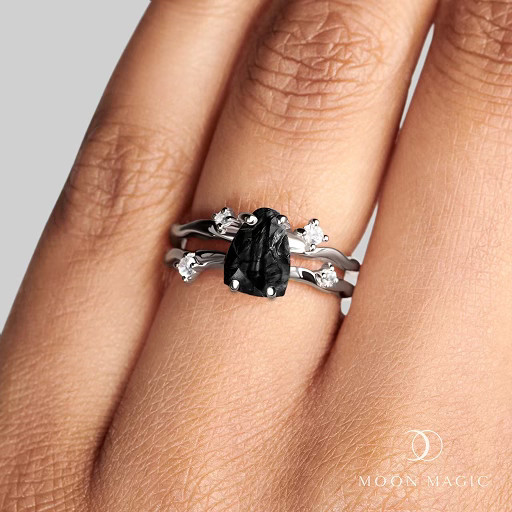
Black Obsidian: The Ultimate Stone for Protection, Strength, and Transformation
Harness the Power of Black Obsidian Jewelry for Grounding and Spiritual Protection
Mysterious, powerful, and deeply protective, Black Obsidian is a volcanic glass formed from rapidly cooling lava. This striking black gemstone has been used for centuries as a tool for grounding, shielding against negativity, and fostering deep personal transformation. If you seek a stone that offers protection, emotional clarity, and inner strength, Black Obsidian is a must-have in your jewelry collection.
In this blog, we’ll explore the fascinating properties of Black Obsidian, its spiritual significance, and how wearing it in rings, necklaces, and bracelets can enhance your life.
What is Black Obsidian?
Black Obsidian is a naturally occurring volcanic glass with a smooth, dark surface that absorbs and transforms negative energy. Revered by ancient civilizations for its protective qualities, it has been used in spiritual practices, rituals, and even as a tool for scrying (divination).
This gemstone is strongly connected to the root chakra, making it an excellent stone for grounding, stability, and inner strength. If you’re seeking protection from negative influences, emotional healing, or clarity in difficult situations, Black Obsidian can help guide you toward truth and transformation.
The Powerful Benefits of Black Obsidian
Black Obsidian is one of the most potent protective stones, offering both physical and emotional shielding. Let’s explore its key benefits:
1. Protection Against Negative Energy
Black Obsidian acts as a protective shield, absorbing negative energy from your surroundings and preventing emotional or spiritual harm. Whether you’re dealing with toxic environments, stressful situations, or draining people, wearing Black Obsidian jewelry can create a barrier that keeps you safe and grounded.
Wearing a Black Obsidian necklace places the stone near your heart and throat, helping you shield yourself from negativity while staying emotionally strong.
2. Emotional Healing and Self-Reflection
This gemstone is known as the “Stone of Truth”, helping you uncover hidden emotions, confront fears, and release deep-seated trauma. If you’re going through emotional challenges or struggling with past wounds, Black Obsidian can provide clarity and guidance.
By wearing a Black Obsidian ring, you can keep this powerful energy close to you, reminding yourself to stay strong and embrace personal growth.
3. Grounding and Stability
Connected to the root chakra, Black Obsidian helps keep you grounded and connected to the Earth. If you feel overwhelmed, scattered, or anxious, this gemstone provides stability and balance, allowing you to regain control over your thoughts and emotions.
A Black Obsidian bracelet is perfect for carrying grounding energy throughout the day, keeping you centered and in control.
4. Enhances Intuition and Spiritual Awareness
Black Obsidian is often used in meditation and spiritual work to unveil hidden truths and deepen intuition. It helps clear mental fog, allowing you to see situations clearly and make decisions with confidence.
If you’re on a journey of self-discovery and transformation, Black Obsidian jewelry can support you by enhancing your awareness and helping you align with your higher self.
How to Wear Black Obsidian Jewelry for Maximum Benefits
Black Obsidian is a striking gemstone that can be worn in different forms to maximize its protective and grounding energy. Here’s how you can incorporate it into your jewelry collection:
1. Black Obsidian Rings: A Daily Shield of Protection
A Black Obsidian ring is perfect for those who want constant protection from negativity while staying emotionally strong. Wearing it on your finger allows you to absorb its energy throughout the day, making it an excellent choice for grounding and stability.
2. Black Obsidian Necklaces: Keep Negative Energy Away
Wearing a Black Obsidian necklace places the stone near your heart and throat chakras, protecting your emotions while helping you communicate with clarity and confidence. It also acts as an energy shield, keeping harmful influences at bay.
3. Black Obsidian Bracelets: Stay Grounded and Balanced
A Black Obsidian bracelet is ideal for staying grounded, focused, and strong throughout the day. Its constant contact with your skin allows it to absorb negativity while promoting emotional resilience and stability.
Why Choose Black Obsidian Jewelry?
Black Obsidian is more than just a beautiful gemstone—it is a powerful ally for protection, healing, and transformation. Whether you’re looking to shield yourself from negativity, gain emotional clarity, or stay grounded in stressful situations, Black Obsidian jewelry can provide the support you need.
By incorporating Black Obsidian rings, necklaces, and bracelets into your jewelry collection, you’ll carry its strength and protection with you wherever you go.
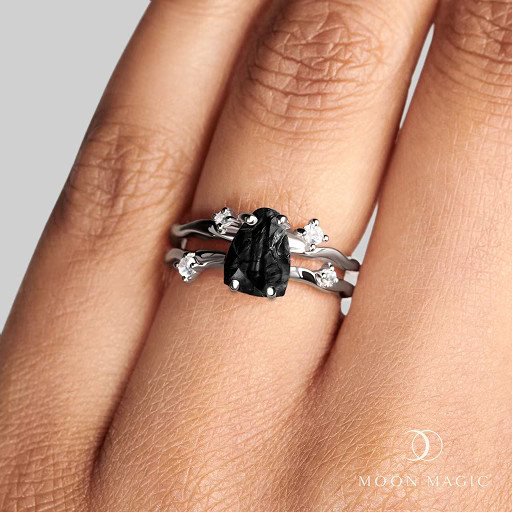
Green Fluorite: The Stone of Clarity, Healing, and Renewal
Discover the Powerful Benefits of Green Fluorite Jewelry
Green Fluorite is a gemstone of renewal, clarity, and emotional healing. With its striking green hues and soothing energy, this crystal has long been cherished for its ability to cleanse negativity, bring balance, and enhance mental clarity. Whether you’re seeking emotional stability, personal growth, or a sense of calm in your daily life, Green Fluorite is the perfect companion.
In this blog, we’ll explore the incredible properties of Green Fluorite, how it can benefit your well-being, and the best ways to incorporate it into your jewelry collection.
What is Green Fluorite?
Green Fluorite is a calcium fluoride mineral known for its translucent green color, ranging from light mint to deep forest green. Found in countries like Mexico, China, and the United States, this gemstone is highly valued for its ability to absorb and neutralize negative energy, making it a must-have for those seeking emotional balance and clarity.
Often referred to as the “Genius Stone,” Green Fluorite is associated with mental focus, intuition, and decision-making. It’s particularly powerful in promoting inner harmony, clearing mental fog, and strengthening one’s connection to the heart chakra—the energy center of love and healing.
The Healing Properties of Green Fluorite
Green Fluorite is known for its wide range of healing benefits, making it a valuable gemstone for emotional, spiritual, and physical well-being. Let’s explore the key benefits of this incredible crystal:
1. Cleansing and Purifying Energy
One of the most remarkable qualities of Green Fluorite is its ability to absorb negative energy from your surroundings. Whether you’re dealing with stress, emotional exhaustion, or negativity in your environment, Green Fluorite acts as a natural detoxifier, clearing away unwanted energy and restoring a sense of balance.
By wearing Green Fluorite jewelry, you can shield yourself from toxic influences and maintain a calm and positive mindset throughout the day.
2. Enhances Emotional Healing and Balance
Green Fluorite is deeply connected to the heart chakra, making it an excellent stone for emotional healing. If you’re experiencing anxiety, heartbreak, or emotional struggles, this gemstone can help soothe your heart, release negative emotions, and promote self-love.
Its gentle energy encourages emotional resilience, allowing you to move forward with confidence and an open heart. Wearing a Green Fluorite ring or necklace can serve as a reminder to embrace peace and emotional stability.
3. Boosts Mental Clarity and Focus
Often called the “Genius Stone,” Green Fluorite is highly beneficial for mental clarity and decision-making. It helps clear mental fog, improve concentration, and enhance problem-solving abilities. This makes it an ideal gemstone for students, professionals, or anyone who needs to stay focused and organized.
If you’re feeling overwhelmed with thoughts or struggling with indecision, wearing Green Fluorite jewelry can help you gain perspective and think with clarity.
4. Encourages Growth and Transformation
Green Fluorite is known as a stone of renewal and transformation. It inspires personal growth, helping you break free from old habits and embrace new beginnings. If you’re going through a period of change—whether in your career, relationships, or spiritual journey—this gemstone can provide the support you need to move forward with confidence.
By wearing Green Fluorite jewelry, you invite positive change into your life and align yourself with new opportunities for success and happiness.
How to Wear Green Fluorite Jewelry for Maximum Benefits
Green Fluorite is not only a powerful healing gemstone but also a beautiful addition to any jewelry collection. Here’s how you can incorporate it into your everyday style:
1. Green Fluorite Rings: Stay Grounded and Balanced
A Green Fluorite ring is perfect for those who want to stay emotionally balanced and mentally clear throughout the day. By wearing it on your hand, you keep its energy close, helping you stay focused, calm, and open to positive transformation.
2. Green Fluorite Necklaces: Strengthen Your Heart Chakra
Wearing a Green Fluorite necklace places the gemstone near your heart, enhancing its ability to promote love, healing, and emotional balance. A pendant or statement necklace can help keep your heart chakra open and aligned, allowing you to connect with others and yourself on a deeper level.
3. Green Fluorite Bracelets: Carry Healing Energy Everywhere
A Green Fluorite bracelet is a great way to experience the stone’s energy throughout the day. Whether you’re at work, meditating, or socializing, the bracelet serves as a constant reminder to stay positive, balanced, and focused on your personal growth.
Why Choose Green Fluorite Jewelry?
Green Fluorite is more than just a beautiful gemstone—it’s a powerful tool for cleansing, healing, and transformation. Whether you’re looking to remove negativity, improve your focus, or embrace personal growth, this gemstone offers a wide range of benefits that enhance your well-being.
By incorporating Green Fluorite jewelry into your collection, you can experience its healing energy every day while enjoying its natural beauty. Whether as a ring, necklace, or bracelet, this gemstone is a meaningful addition to your jewelry wardrobe.

Turquoise: The Healing Gemstone for Protection, Peace, and Spiritual Connection
Why Turquoise Is the Ultimate Gemstone for Balance, Wellness, and Spiritual Connection
With its vibrant blue-green hues and rich history, Turquoise has been revered for centuries as a powerful stone of protection, healing, and spiritual growth. Known for its ability to bring balance and harmony to the wearer, Turquoise is a gemstone that connects deeply with both the physical and spiritual realms.
In this blog, we will explore the incredible healing properties of Turquoise, why it’s so cherished in jewelry, and how you can incorporate this beautiful stone into your collection for its protective and healing qualities.
What is Turquoise?
Turquoise is a stunning blue-green gemstone that has been used in jewelry and spiritual practices for thousands of years. Found in regions such as Iran, the American Southwest, and Mexico, Turquoise is one of the oldest known gemstones and holds a significant place in various cultures, including the Native American and ancient Egyptian civilizations.
This gemstone is often seen as a symbol of healing, protection, and wisdom. Turquoise is a composite mineral that forms when copper and aluminum-rich minerals interact with water and the Earth’s surface. The result is a stone that has a soothing, yet vibrant energy—one that’s perfect for spiritual alignment and emotional healing.
The Healing Powers of Turquoise
Turquoise is known for its ability to balance and harmonize both the mind and body. Its healing properties are vast and profound, making it a stone that can have a transformative effect on your emotional and spiritual well-being. Here are the primary benefits of Turquoise:
1. Protection and Shielding Energy
Throughout history, Turquoise has been revered as a powerful protective stone. It is believed to guard against negative energy and provide a shield of protection, particularly during travel. Wearing Turquoise jewelry, like a bracelet or necklace, is said to protect the wearer from harm, both physically and energetically.
This stone is particularly favored by those who are looking for protection in their everyday life, providing a sense of calm and security no matter where they go.
2. Promotes Emotional Healing and Balance
Turquoise is also known for its ability to heal emotional wounds and bring balance to the wearer’s emotions. If you’re feeling overwhelmed, anxious, or struggling with emotional turmoil, Turquoise can help to clear the mind and restore a sense of calm. It is known for calming the nervous system, reducing stress, and providing mental clarity.
By connecting with Turquoise’s soothing energy, you can regain emotional equilibrium and restore inner peace, which can help you approach life’s challenges with a more centered mindset.
3. Supports Spiritual Growth and Communication
As a stone that connects the throat chakra, Turquoise is considered an exceptional aid for communication. It enhances one’s ability to express thoughts clearly and truthfully, making it particularly beneficial for those who wish to improve their communication skills, whether in personal relationships or professional settings.
Turquoise also promotes spiritual growth, encouraging the wearer to align with their higher self. It is believed to enhance intuition and offer guidance during times of change, helping the wearer navigate their spiritual journey with confidence and clarity.
4. Physical Healing Benefits
In addition to its emotional and spiritual benefits, Turquoise is also thought to have physical healing properties. It is commonly used to support the immune system, improve digestion, and detoxify the body. Turquoise is believed to help with respiratory issues and soothe throat discomfort, making it an ideal stone for those looking to boost their overall wellness.
How to Wear Turquoise Jewelry for Maximum Benefits
Turquoise is a versatile gemstone that can be worn in various forms of jewelry, each offering different ways to experience its protective and healing energies. Here’s how you can incorporate Turquoise into your collection:
1. Turquoise Rings: Wear Your Protection Close
A Turquoise ring is an excellent choice for anyone seeking protection and balance. By wearing it on your fingers, you keep the gemstone’s protective energy close to your body. A Turquoise ring can serve as a constant reminder to stay calm, balanced, and focused on your goals, making it perfect for those who are frequently on the go or seeking spiritual protection.
2. Turquoise Necklaces: A Powerful Energy Source for Communication
Wearing a Turquoise necklace brings the gemstone’s energy directly to the throat chakra, which is the center of communication. A Turquoise pendant or necklace not only serves as a beautiful piece of jewelry but also enhances your ability to express yourself clearly and truthfully. Whether you’re having an important conversation or looking to enhance your spiritual connection, a Turquoise necklace can help keep your communication clear and open.
3. Turquoise Bracelets: Infuse Your Day with Calming Energy
A Turquoise bracelet offers a subtle yet powerful way to wear the gemstone throughout your day. Its calming energy helps to keep stress at bay, while its healing properties promote emotional balance. Turquoise bracelets are perfect for those looking for an everyday piece of jewelry that offers protection and support while also being stylish.
Why Choose Turquoise Jewelry?
Turquoise is more than just a beautiful gemstone—it’s a powerful tool for protection, healing, and spiritual growth. Whether you’re seeking to shield yourself from negative energy, restore emotional balance, or enhance your communication, Turquoise offers a range of benefits that support your overall well-being.
Incorporating Turquoise into your jewelry collection allows you to carry these protective and healing energies with you throughout the day. With its soothing blue-green tones and rich metaphysical properties, Turquoise is a gemstone that brings balance, tranquility, and positive energy into your life.

Citrine: The Stone of Abundance, Joy, and Manifestation
Why Citrine Should Be Your Go-To Gemstone for Wealth, Success, and Positivity
Bright, radiant, and full of warmth, Citrine is a gemstone that embodies joy, prosperity, and vitality. Often called the “merchant’s stone” for its ability to attract wealth and success, Citrine is also known for its uplifting energy and connection to the solar plexus chakra, which governs personal power and confidence.
In this blog, we’ll explore the many benefits of Citrine, from enhancing your ability to manifest your desires to promoting happiness and good fortune in your life. Plus, we’ll dive into how to incorporate Citrine into your jewelry collection to keep its powerful energy close.
What is Citrine?
Citrine is a yellow-to-golden variety of quartz, prized for its warm, sunny hues. The stone gets its vibrant color from traces of iron within its crystal structure. Found in various parts of the world, including Brazil, Spain, and Madagascar, Citrine has been used in jewelry for thousands of years for both its beauty and its metaphysical properties.
Known as the “stone of abundance,” Citrine is believed to bring wealth, success, and good fortune. It is also associated with the solar plexus chakra, the energy center that governs self-esteem, willpower, and personal empowerment.
The Healing Powers of Citrine
Citrine’s radiant energy is known for its ability to uplift the spirit and create a sense of positivity and abundance. Let’s take a closer look at the specific healing benefits of Citrine:
1. Attracts Abundance and Success
Citrine is often referred to as the “merchant’s stone” because of its reputed ability to attract financial abundance and prosperity. Whether you’re looking to manifest wealth, start a new venture, or attract success in your career, Citrine is believed to bring a positive flow of energy that supports financial growth.
Incorporating Citrine into your daily life, especially by wearing Citrine jewelry such as a ring, bracelet, or necklace, can help you stay aligned with your goals and create an energetic space for abundance and prosperity to flow freely.
2. Boosts Confidence and Personal Power
As a stone connected to the solar plexus chakra, Citrine is a powerful tool for enhancing personal confidence, self-esteem, and willpower. It encourages you to embrace your inner strength and take bold actions to achieve your desires. Whether you’re navigating a new career path or simply need a boost of self-assurance, Citrine helps you step into your power with courage and confidence.
When worn as jewelry, Citrine serves as a constant reminder to trust in your abilities and take charge of your personal and professional life.
3. Promotes Joy and Positivity
Citrine’s warm, golden glow is a reflection of its joyful and uplifting energy. Known for promoting optimism, happiness, and positive thinking, Citrine helps to dispel negative emotions like fear, stress, and self-doubt. If you’re feeling down or stuck, Citrine can help shift your mindset toward positivity and encourage you to focus on the bright side of life.
Wearing Citrine jewelry helps to infuse your daily routine with good vibes and a sense of joy, whether you’re at work, at home, or out with friends.
4. Stimulates Creativity and Manifestation
Citrine is not only a stone for attracting wealth and success, but it also helps to unlock creativity and stimulate your ability to manifest your dreams. It encourages you to think outside the box and take inspired action toward your goals. If you’re an artist, entrepreneur, or anyone with big aspirations, Citrine can help clear mental blocks and provide the motivation needed to turn your ideas into reality.
By wearing Citrine, you keep its powerful manifestation energy close, enhancing your ability to bring your visions to life.
How to Wear Citrine Jewelry for Maximum Benefits
Citrine is a versatile gemstone that can be worn in many different ways, and its energy can be amplified when worn as jewelry. Here’s how you can incorporate Citrine into your collection:
1. Citrine Rings: Empower Your Manifestations
A Citrine ring is an excellent way to keep the stone’s energy close to your body throughout the day. Whether you wear it on your left hand to activate your creative energy or on your right hand for business and career matters, Citrine rings help to keep you aligned with your goals and intentions. A bold, statement ring with Citrine can serve as a daily reminder to stay positive and focused on success.
2. Citrine Necklaces: Attract Abundance and Confidence
Wearing a Citrine necklace helps to keep its healing energy near the solar plexus chakra, which is the center of personal power. A Citrine pendant can also be a powerful tool for manifesting success, wealth, and confidence. Choose a necklace that you can wear every day as a way to stay connected to your goals and bring in abundance and prosperity.
3. Citrine Bracelets: Infuse Your Day with Positivity
A Citrine bracelet is perfect for wearing throughout your day, allowing its joyful energy to infuse your routine. Whether you’re at work, running errands, or spending time with loved ones, Citrine bracelets act as a constant source of optimism and good fortune. Its cheerful energy helps uplift your mood and inspire creativity.
Why Choose Citrine Jewelry?
Citrine is more than just a beautiful gemstone—it’s a powerful tool for manifesting your desires, boosting your confidence, and attracting abundance into your life. Its radiant energy makes it the perfect stone to wear when you’re seeking success, wealth, and happiness.
By incorporating Citrine into your jewelry collection, you can harness the stone’s energy every day to stay focused on your goals and bring more positivity into your life. Whether through a Citrine ring, necklace, or bracelet, this gemstone will help you step into your power and create the life you’ve always dreamed of.

How Lapis Lazuli Can Help You Speak Your Truth and Strengthen Your Spirit
Explore the Ancient Magic and Healing Powers of Lapis Lazuli Jewelry
Lapis Lazuli, with its deep, royal blue hue and striking gold flecks, has captivated people for centuries. This gemstone, revered for its beauty and spiritual significance, has been used in ancient Egypt, Mesopotamia, and beyond. Lapis Lazuli is considered a stone of wisdom, intuition, and enlightenment. It is a powerful symbol of truth, self-expression, and spiritual growth, making it an essential addition to any jewelry collection.
In this blog, we’ll uncover the captivating history of Lapis Lazuli, its incredible healing properties, and why this gemstone is a must-have for anyone seeking clarity, peace, and a deeper connection to their higher self.
What is Lapis Lazuli?
Lapis Lazuli is a deep blue metamorphic rock that contains a blend of minerals, including lazurite, calcite, and pyrite. Its striking blue color is what sets it apart from other gemstones, with gold-like specks of pyrite scattered throughout the stone. Historically, Lapis Lazuli was prized by ancient civilizations, such as the Egyptians, who used it for jewelry, amulets, and even ground it into powder for cosmetic purposes.
The gemstone has been associated with royalty, divinity, and wisdom for millennia, and its allure continues today. Lapis Lazuli is typically mined in Afghanistan, though deposits are also found in Chile, Russia, and the United States. Known as the stone of the gods, Lapis Lazuli is often seen as a spiritual ally that enhances communication and brings forth deep truths.
The Healing Powers of Lapis Lazuli
Lapis Lazuli is a gemstone with profound spiritual and emotional healing benefits. Known for its ability to enhance intuition, boost intellectual ability, and foster deeper spiritual insight, it is highly valued by those seeking clarity and guidance in their lives. Here are some of the key healing benefits of Lapis Lazuli:
1. Boosts Intuition and Wisdom
Lapis Lazuli has been revered for its connection to the third eye chakra, the energy center associated with intuition and psychic abilities. This gemstone is believed to help open the mind to higher wisdom, enhance inner vision, and deepen spiritual awareness. Wearing Lapis Lazuli jewelry, such as a necklace or bracelet, can support you in trusting your intuition and connecting with your inner voice, leading to greater self-discovery and understanding.
Whether you’re looking to unlock deeper wisdom or simply strengthen your intuitive abilities, Lapis Lazuli is a stone that encourages clarity and enlightenment.
2. Promotes Honest Communication
One of Lapis Lazuli’s most powerful qualities is its ability to enhance truthful communication. It encourages the wearer to express themselves honestly, without fear of judgment. This gemstone is known to promote effective communication, making it ideal for those who seek to improve their relationships, whether personal or professional.
By wearing a Lapis Lazuli ring or necklace, you can open the flow of communication and overcome any barriers that may be hindering your self-expression. It is particularly useful for those who find it difficult to speak their truth or feel blocked in their ability to connect with others.
3. Fosters Inner Peace and Emotional Healing
Lapis Lazuli is also known for its ability to bring inner peace and emotional healing. It helps soothe feelings of anxiety, stress, and fear, providing a sense of calm and balance to the wearer. If you’re experiencing emotional turmoil or uncertainty, Lapis Lazuli can help bring harmony to your thoughts and emotions, allowing you to feel more centered and at ease.
The calming energy of Lapis Lazuli makes it an excellent choice for those looking to create emotional stability and peace in their lives. It allows you to connect with your higher self and embrace a more balanced, peaceful mindset.
4. Strengthens the Mind and Intellectual Ability
Lapis Lazuli has long been associated with intelligence, wisdom, and mental clarity. It is known to enhance intellectual ability and help sharpen the mind, making it an ideal gemstone for those in academic pursuits or creative fields. Lapis Lazuli is believed to promote critical thinking, problem-solving, and decision-making skills, giving the wearer the mental strength to overcome challenges.
If you’re seeking to boost your cognitive abilities or gain more clarity in your work or studies, Lapis Lazuli can help unlock your full intellectual potential.
How to Wear Lapis Lazuli Jewelry
Lapis Lazuli is a striking gemstone that pairs beautifully with silver or gold settings, making it a perfect addition to any jewelry collection. Here are a few ways to wear Lapis Lazuli and enjoy its benefits:
1. Lapis Lazuli Rings for Wisdom and Clarity
A Lapis Lazuli ring is an excellent way to keep the stone’s energy close to you. Rings worn on the left hand are believed to be particularly effective in enhancing emotional and spiritual healing. Whether you wear a bold statement ring or a more delicate design, Lapis Lazuli rings offer the benefits of increased wisdom, self-expression, and inner peace.
2. Lapis Lazuli Necklaces for Spiritual Connection
Wearing a Lapis Lazuli pendant or necklace allows the stone to stay close to your heart and throat chakras, where it can encourage honest communication and help open your spiritual awareness. A Lapis Lazuli necklace is a meaningful accessory that not only enhances your spiritual practice but also serves as a beautiful statement piece.
3. Lapis Lazuli Bracelets for Emotional Healing
A Lapis Lazuli bracelet is a lovely way to wear this gemstone every day. Bracelets help to keep the healing energy of Lapis Lazuli close to your wrist and the areas of the body associated with your emotional well-being. The stone’s soothing energy promotes emotional balance, while its spiritual properties encourage inner peace.
Why Choose Lapis Lazuli Jewelry?
Lapis Lazuli is more than just a beautiful gemstone; it is a powerful tool for spiritual growth, communication, and personal transformation. With its rich history, stunning blue color, and healing properties, Lapis Lazuli is a gemstone that can provide clarity, wisdom, and emotional balance to anyone who wears it. Whether you’re seeking to deepen your connection with your inner self, improve your communication, or simply enjoy the beauty of a unique gemstone, Lapis Lazuli is a perfect choice.
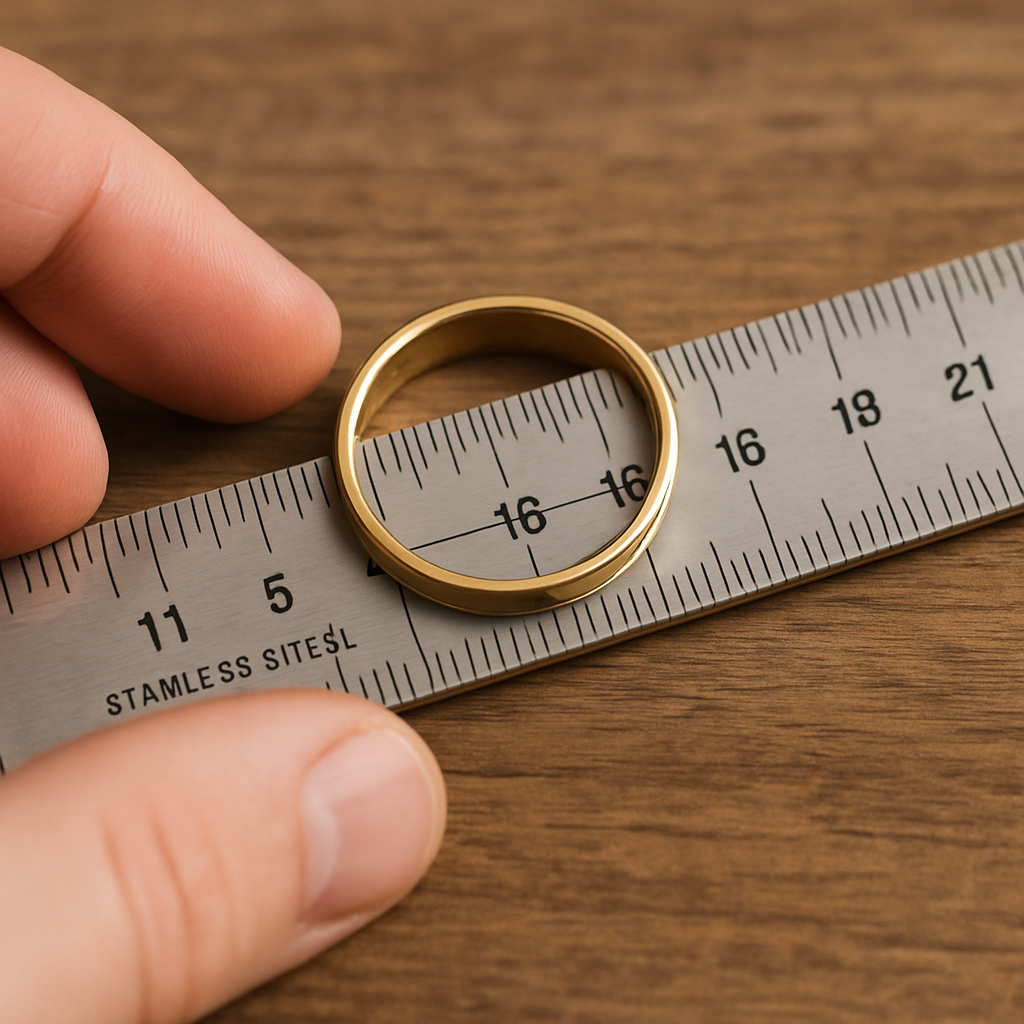
Why Green Peridot is the Perfect Gem for Personal Growth and Renewal
Explore the Benefits and Beauty of Green Peridot Jewelry
Green Peridot, with its vibrant olive-green hue, is a gemstone known for its powerful healing properties, captivating beauty, and deep spiritual significance. Often referred to as the “gem of the sun,” Peridot symbolizes growth, renewal, and prosperity. Its bright green color not only makes it a stunning addition to any jewelry collection but also represents positive energy, emotional healing, and abundance.
In this blog, we’ll uncover the many benefits of Green Peridot, its historical significance, and why this gemstone is a perfect choice for those seeking emotional balance, prosperity, and a fresh start in life. Let’s dive into the world of Green Peridot and discover its magical qualities.
What is Green Peridot?
Green Peridot is a gemstone that belongs to the olivine mineral family, and its characteristic green color comes from the presence of iron. The green hues of Peridot can range from a soft, yellowish green to a rich, deep olive color. It is one of the few gemstones that occur in only one color, though the intensity of its green can vary depending on the source.
Peridot has been cherished for thousands of years, with references to this gemstone found in ancient Egyptian jewelry. It was believed that the stone was created by the goddess of the sun, making it a symbol of vitality, renewal, and healing. Today, Peridot is often used in rings, necklaces, and bracelets, making it a popular choice for those seeking both beauty and spiritual benefits.
The Healing Benefits of Green Peridot
Green Peridot is much more than just a beautiful gemstone; it is renowned for its powerful healing properties. This stone is believed to bring emotional healing, spiritual renewal, and material abundance to those who wear it. Let’s explore the key healing benefits of Green Peridot:
1. Emotional Healing and Stress Relief
Green Peridot is known for its ability to soothe emotional stress and promote a sense of emotional balance. It helps to release negative emotions like jealousy, guilt, and anger, allowing the wearer to feel more at peace with themselves. The stone encourages positive thinking and emotional clarity, making it an ideal choice for those seeking to release past emotional wounds and move forward with renewed strength.
If you’re struggling with negative emotions or emotional stress, wearing a Green Peridot ring or bracelet can help restore balance and emotional harmony in your life.
2. Promotes Prosperity and Abundance
Known as the “gemstone of abundance,” Green Peridot is believed to attract wealth, success, and prosperity. This stone’s positive energy is said to open the pathways for financial growth, business success, and material abundance. It encourages the wearer to take bold action toward their goals, trust their intuition, and create opportunities for prosperity in all areas of life.
If you’re looking to attract financial abundance or achieve success in your career or business, wearing Green Peridot jewelry can act as a powerful talisman to enhance your efforts.
3. Enhances Spiritual Growth and Renewal
Green Peridot is also known as a stone of spiritual renewal and personal growth. It has a unique ability to clear blockages in your energy field, allowing for new growth and spiritual transformation. The stone connects to the heart chakra, helping to open the heart to love, compassion, and healing. It is ideal for anyone seeking a fresh start in life or looking to deepen their spiritual practice.
By wearing Green Peridot jewelry, you invite spiritual renewal and open yourself up to the possibility of new beginnings and a higher sense of self-awareness.
4. Strengthens the Heart Chakra
Green Peridot’s connection to the heart chakra makes it a powerful stone for healing emotional wounds and fostering loving relationships. It encourages the wearer to release old patterns of emotional pain, while inviting more love and compassion into their lives. This gemstone helps to promote emotional openness, understanding, and healing in relationships, whether they are romantic, familial, or platonic.
If you’re looking to heal your heart and create deeper emotional connections with others, Green Peridot can help you embrace love and emotional balance.
How to Wear Green Peridot Jewelry
Green Peridot is a versatile gemstone that can be worn in various types of jewelry, including rings, necklaces, and bracelets. Its vibrant green color makes it an ideal gemstone for everyday wear, and it pairs beautifully with both gold and silver settings. Here are a few ideas for incorporating Green Peridot into your jewelry collection:
1. Peridot Rings for Personal Empowerment
A Green Peridot ring is a powerful piece of jewelry that allows you to carry the gemstone’s healing energy with you throughout the day. Wearing Peridot on your left hand, especially on your ring finger, is believed to enhance your connection to your heart chakra and attract love and prosperity. The ring can be worn as a statement piece or as a subtle accent to your everyday style.
2. Peridot Necklaces for Spiritual Renewal
A Green Peridot necklace is a perfect way to keep this gemstone close to your heart, where it can work to heal emotional wounds and promote spiritual growth. A pendant featuring a Green Peridot can serve as a constant reminder of renewal, helping you embrace new beginnings and stay focused on your personal growth. A Peridot necklace also makes for a meaningful gift for anyone undergoing a transformation in their life.
3. Peridot Bracelets for Emotional Healing
Wearing a Green Peridot bracelet allows you to carry the gemstone’s healing energy throughout the day. The bracelet can be worn on either wrist, but wearing it on your left wrist is thought to enhance the emotional healing properties of the stone. A Peridot bracelet can also act as a symbol of your commitment to personal growth, helping you remain centered and balanced no matter what life throws your way.
Why Choose Green Peridot Jewelry?
Green Peridot is more than just a beautiful gemstone; it is a symbol of growth, abundance, and spiritual healing. Whether you’re seeking to attract prosperity, heal emotional wounds, or embrace new beginnings, Peridot is the perfect gemstone to support your journey. Its bright green color and positive energy make it a wonderful addition to any jewelry collection, and its many benefits ensure that you’ll feel empowered and balanced every time you wear it.
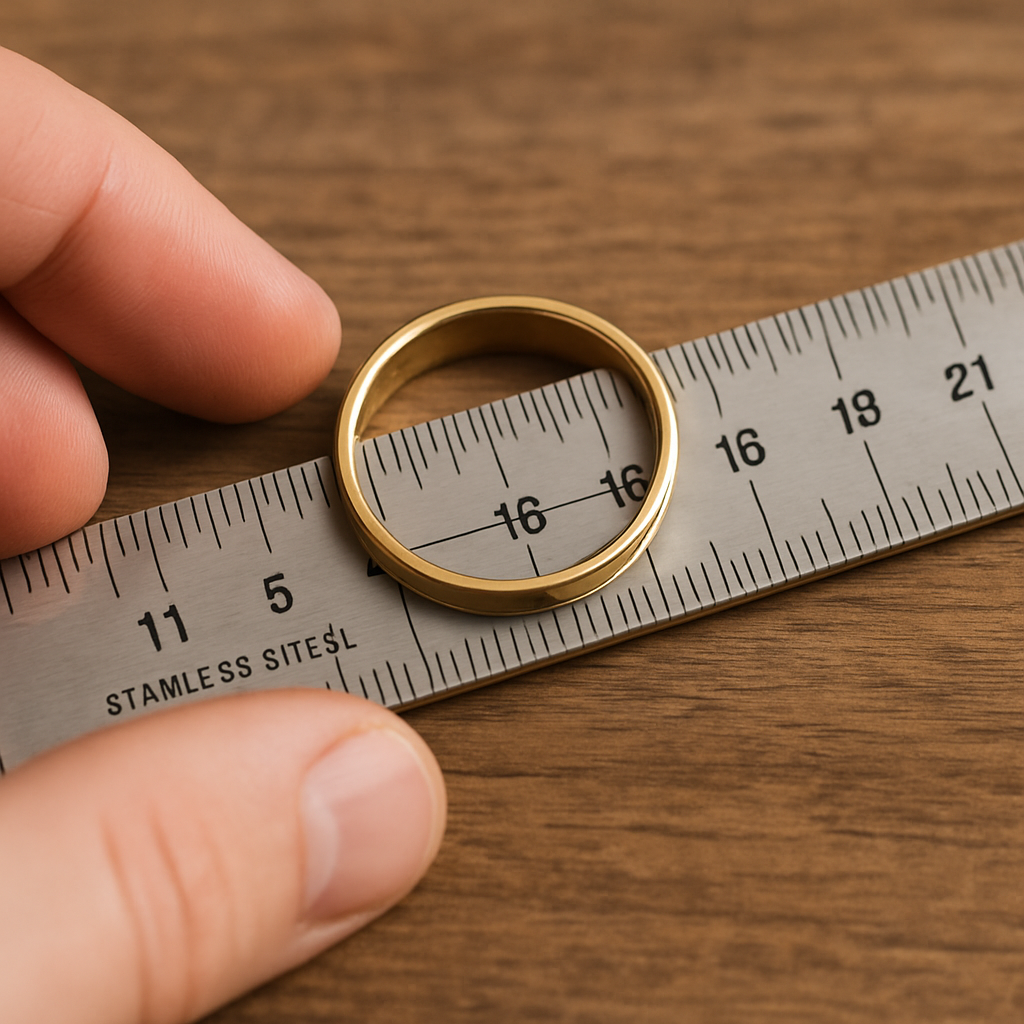
The Magic of Moonstone: Intuition, Femininity & Balance
Discover How Moonstone Jewelry Can Enhance Your Intuition and Inner Harmony
Moonstone is a captivating gemstone known for its ethereal glow, reminiscent of the moon itself. With its shimmering light and soothing energy, Moonstone has long been revered for its ability to enhance intuition, support emotional balance, and embody the divine feminine. Often associated with the moon, this mystical stone has been cherished for centuries by cultures around the world for its spiritual significance and transformative healing properties. Whether you wear it as a ring, necklace, or bracelet, Moonstone jewelry offers more than just beauty—it’s a powerful tool for emotional growth, self-discovery, and personal transformation.
In this blog, we’ll explore the many benefits of Moonstone, how it connects to femininity and intuition, and why it’s the perfect gemstone for restoring balance in your life.
What is Moonstone?
Moonstone is a variety of the mineral feldspar, prized for its unique optical phenomenon known as adularescence—a milky or bluish glow that appears to float across the surface of the stone when it moves in the light. This mesmerizing effect is what gives Moonstone its magical appearance, making it a favorite in jewelry and a symbol of the moon’s mystical energies.
Found in various parts of the world, including Sri Lanka, India, and Madagascar, Moonstone comes in a range of colors, from creamy white to peach, gray, and even rainbow hues. It has been used throughout history by many cultures for its healing properties and is considered the birthstone for June.
The Healing Benefits of Moonstone
Moonstone is often referred to as a “stone of new beginnings” because of its ability to support personal growth and transformation. This gemstone is particularly associated with feminine energy, intuition, and emotional balance, making it a powerful ally for those seeking spiritual insight and emotional healing. Here’s why Moonstone is revered as a healing stone:
1. Enhances Intuition and Spiritual Awareness
Moonstone is known for its connection to the moon and its ability to heighten intuition and spiritual awareness. It is often called the stone of intuition because it helps you tap into your inner wisdom and navigate life with clarity. Whether you are facing tough decisions or seeking deeper spiritual insight, Moonstone can guide you to trust your inner voice and connect with your higher self.
Wearing a Moonstone necklace or ring can help you stay in tune with your instincts, making it easier to follow your heart and trust the guidance that comes from within.
2. Supports Emotional Balance and Healing
Moonstone is an excellent gemstone for those who need emotional support. It has a calming and soothing energy that helps to reduce stress, anxiety, and emotional tension. The stone’s gentle energy nurtures the emotions, bringing balance to the heart and mind. If you’re dealing with emotional instability, grief, or emotional burnout, Moonstone helps you restore inner harmony and promotes emotional healing.
Moonstone can help you navigate emotional ups and downs with grace, bringing a sense of peace and stability during turbulent times. It helps open your heart and releases emotional blockages, allowing you to move forward with clarity and balance.
3. Embody the Divine Feminine Energy
Moonstone is deeply connected to the feminine energy and is often associated with the goddess energy in many cultures. As a stone of fertility, creativity, and emotional growth, Moonstone amplifies feminine qualities like intuition, empathy, and nurturing. For those looking to reconnect with their feminine power, wearing Moonstone jewelry can help you embrace these qualities in your everyday life.
This gemstone enhances your connection to the lunar cycles, supporting the natural ebb and flow of your energy. Whether you’re seeking to cultivate your creativity or embrace your inner goddess, Moonstone serves as a powerful tool for empowering your femininity.
4. Aids in Personal Growth and Transformation
Moonstone is often seen as a stone of transformation, helping you to embrace change and new beginnings. Whether you’re starting a new phase in your life, embarking on a creative project, or seeking personal development, Moonstone can guide you through these transitions with ease and grace.
Its energy is aligned with the cycles of growth and renewal, encouraging you to let go of the old and make space for the new. By wearing Moonstone jewelry, you can remain grounded and open to the opportunities that come with change, trusting that each new step will lead to greater personal growth.
5. Promotes Healing During the Full Moon
Because of its deep connection to the moon, Moonstone is especially powerful during the full moon, a time when energy is at its peak. It is believed that wearing Moonstone during the full moon enhances its healing and spiritual properties, helping you release any emotional baggage and recharge your energy. The full moon is a time of letting go, and Moonstone helps you align with this energy, making it easier to surrender and embrace the transformation that follows.
How to Incorporate Moonstone Jewelry Into Your Life
Moonstone is a versatile and beautiful gemstone that can be worn in a variety of jewelry pieces. Whether you choose to wear it as a ring, necklace, or bracelet, Moonstone will help you tap into its healing and transformative energy. Here’s how you can incorporate Moonstone into your daily life:
1. Moonstone Rings for Intuition and Personal Growth
Wearing a Moonstone ring can help you connect with your inner wisdom and enhance your intuition. It’s an excellent choice for anyone looking to improve their decision-making abilities and spiritual awareness. You can wear it on your left hand to benefit from its calming energy or as a statement piece to remind you of your personal growth journey.
2. Moonstone Necklaces for Emotional Balance and Healing
A Moonstone necklace worn close to the heart chakra helps you maintain emotional balance and harmony. It’s particularly helpful for emotional healing, offering soothing energy throughout the day. Whether you choose a simple pendant or a more elaborate design, a Moonstone necklace can provide you with constant support and guidance.
3. Moonstone Bracelets for Divine Feminine Energy
Wearing a Moonstone bracelet on your wrist is a subtle but powerful way to embrace your divine feminine energy. It helps you stay connected to your intuition and encourages the nurturing qualities that come from within. The bracelet also serves as a reminder to embrace your creativity and emotional intelligence.
The Symbolism of Moonstone in Jewelry
Moonstone has long been a symbol of mystery, beauty, and feminine energy. It is an ideal gemstone for those looking to reconnect with their intuition and embrace their inner strength. Whether you’re buying Moonstone jewelry for yourself or gifting it to someone special, it is a timeless symbol of growth, healing, and transformation.
Conclusion: Embrace the Magic of Moonstone
Moonstone is a powerful gemstone that embodies the qualities of intuition, emotional healing, and personal growth. Whether you wear it as a ring, necklace, or bracelet, Moonstone jewelry can help you tap into your inner wisdom, embrace change, and restore balance in your life. Its gentle energy promotes healing, enhances creativity, and connects you to the divine feminine within.
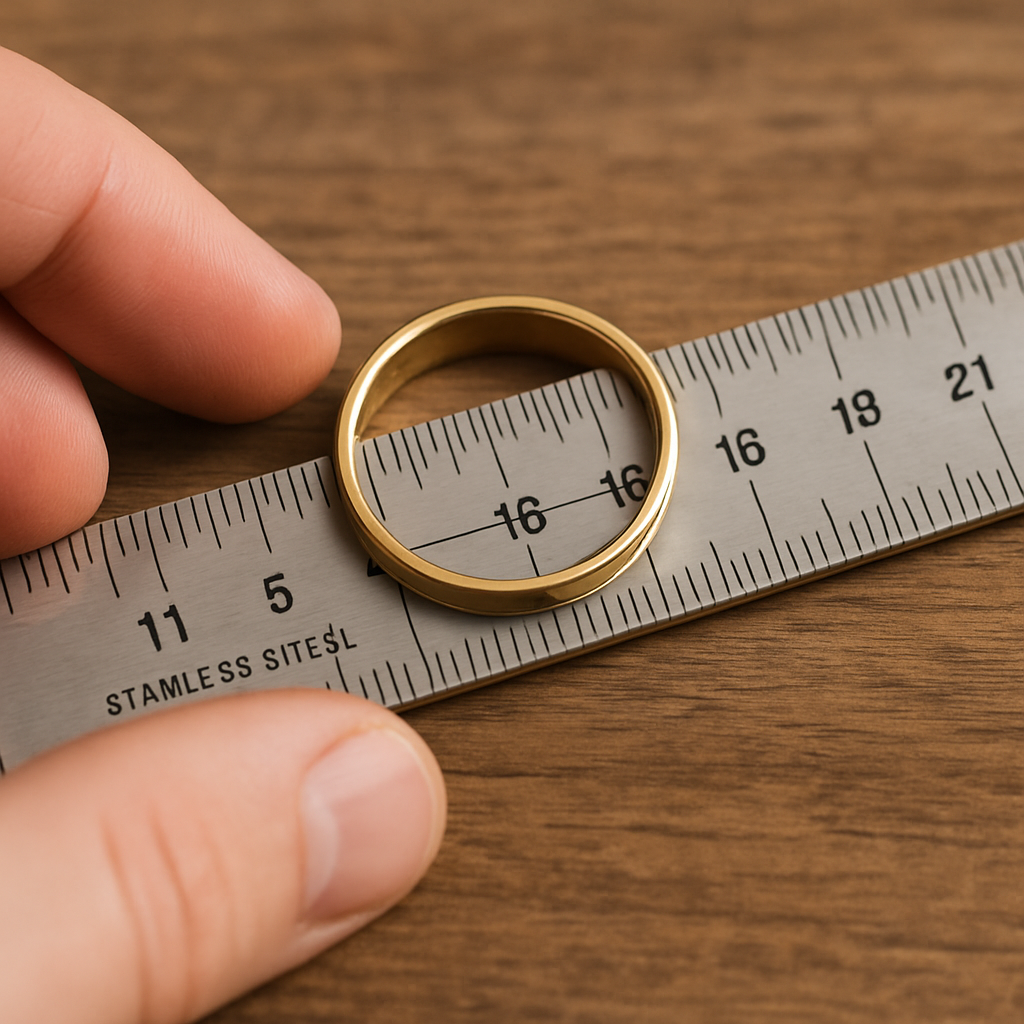
The Healing Powers of White Quartz: A Crystal for Clarity, Purity, and Spiritual Growth
Explore the Benefits of White Quartz Jewelry and How It Can Enhance Your Spiritual Journey
White Quartz, also known as Clear Quartz, is one of the most versatile and widely used crystals in the world of gemstones and healing. Renowned for its ability to amplify energy and clear negative energies, White Quartz is a powerful stone for emotional healing, spiritual growth, and mental clarity. Often referred to as the “Master Healer,” it is considered a tool that can be used in a variety of ways to support healing, protection, and the enhancement of other gemstones’ energies. Incorporating White Quartz into your jewelry collection, whether through rings, necklaces, or bracelets, can bring about transformation in your personal well-being. In this guide, we’ll explore the healing properties of White Quartz and how it can support your journey toward clarity, purity, and spiritual awakening.
What is White Quartz?
White Quartz is a transparent crystal that belongs to the quartz family, often described as the “Master Healer” because of its ability to amplify the properties of other gemstones. It is also associated with clarity, purification, and protection. This versatile crystal can be found in many parts of the world, including the United States, Brazil, and the Himalayas.
While White Quartz may appear clear or white in color, it is a powerful stone capable of harmonizing and balancing energy. It is often used in healing practices to cleanse the mind, body, and spirit, helping to eliminate negative energies and restore balance.
The Healing Benefits of White Quartz
White Quartz is a powerful stone with numerous benefits that make it an essential part of your spiritual toolkit. Here’s why White Quartz is considered one of the most important gemstones in the world of healing:
1. Amplifies Energy and Intentions
White Quartz is known for its ability to amplify energy. When used in conjunction with other gemstones, it strengthens their healing properties, making it an excellent companion for any crystal. Wearing White Quartz jewelry like rings or necklaces can help amplify your intentions, whether for healing, personal growth, or manifestation. It helps clear blockages in the energy field, allowing your goals to come to fruition with ease.
2. Promotes Mental Clarity and Focus
If you’re feeling mentally foggy or having trouble making decisions, White Quartz can help clear your mind and bring clarity. This crystal works by absorbing any negative energy or confusion, allowing for a more peaceful and focused state of mind. It is particularly beneficial for those who need assistance with concentration and clear thinking, making it a great stone for students, professionals, or anyone needing mental clarity.
3. Enhances Spiritual Growth
White Quartz is deeply connected to spiritual growth and self-awareness. It helps to open the mind to new possibilities, elevating your consciousness and expanding your awareness. If you’re on a journey of self-discovery or spiritual awakening, White Quartz can help clear the path and guide you toward deeper insights. Wearing White Quartz jewelry can serve as a reminder of your spiritual journey and your desire to grow and evolve.
4. Purifies the Energy Field
Known for its purifying properties, White Quartz can clear negative energy from your surroundings and your aura. This is especially helpful in spaces where there is tension, stress, or conflict. By keeping White Quartz nearby, whether worn as a bracelet or pendant, you can create a protective field that shields you from negativity and promotes peace and harmony.
5. Balances and Harmonizes the Chakras
White Quartz is a versatile crystal that can be used to balance and harmonize all of the chakras. Its clearing and purifying energy works through the entire energy system, removing blockages and helping to align the chakras. Whether you’re using White Quartz for physical healing or emotional balance, it ensures that the body’s energy flow is smooth, helping you maintain overall harmony.
How to Incorporate White Quartz Jewelry into Your Life
White Quartz can be an incredibly beneficial stone to have in your life, especially when worn as jewelry. Here are a few ways to incorporate White Quartz jewelry into your daily routine to enhance your energy and spiritual growth:
1. White Quartz Rings for Amplified Energy
Wearing a White Quartz ring can help amplify the energy you put out into the world. By wearing it on your finger, the stone can assist with amplifying your intentions and emotions, allowing for a stronger flow of positive energy throughout your day. Whether worn on your middle or index finger, a White Quartz ring helps channel energy for mental clarity and spiritual growth.
2. White Quartz Necklaces for Emotional Healing
A White Quartz necklace worn close to the heart can help promote emotional healing and balance. The proximity to your heart chakra allows the stone to clear emotional blockages, bringing peace and purity to your emotional state. White Quartz can help relieve stress and anxiety, promoting a sense of calm and emotional stability, making it an excellent choice for anyone going through emotional turmoil.
3. White Quartz Bracelets for Daily Clarity
A White Quartz bracelet is an ideal way to incorporate this powerful crystal into your daily routine. Wearing it on your wrist ensures that its energy is with you throughout the day, helping to bring mental clarity, focus, and emotional balance. As a reminder of your intention to stay clear-headed and positive, a White Quartz bracelet can be a practical and beautiful tool for self-improvement.
4. Use White Quartz for Meditation
White Quartz is often used in meditation to clear the mind and focus on spiritual growth. By holding a piece of White Quartz or wearing jewelry made of the stone during your practice, you can elevate your spiritual journey and achieve a deeper connection to your inner self. White Quartz helps open your consciousness, making it easier to receive insights and guidance from your higher self during meditation.
The Symbolism of White Quartz in Jewelry
White Quartz is a powerful symbol of clarity, purification, and spiritual awakening. Its pure, clear nature represents the ability to release negativity and allow new, positive energy to flow into your life. Wearing White Quartz jewelry serves as a reminder of your commitment to maintaining balance, achieving mental clarity, and enhancing your spiritual journey.
Conclusion: Embrace the Purifying Energy of White Quartz
White Quartz is a versatile and powerful gemstone that can help purify your energy, enhance mental clarity, and guide your spiritual growth. By incorporating White Quartz jewelry into your collection, you can access its many healing properties and invite more balance, peace, and clarity into your life. Whether worn as a ring, necklace, or bracelet, White Quartz helps amplify energy and intentions, supporting you in achieving your highest potential.
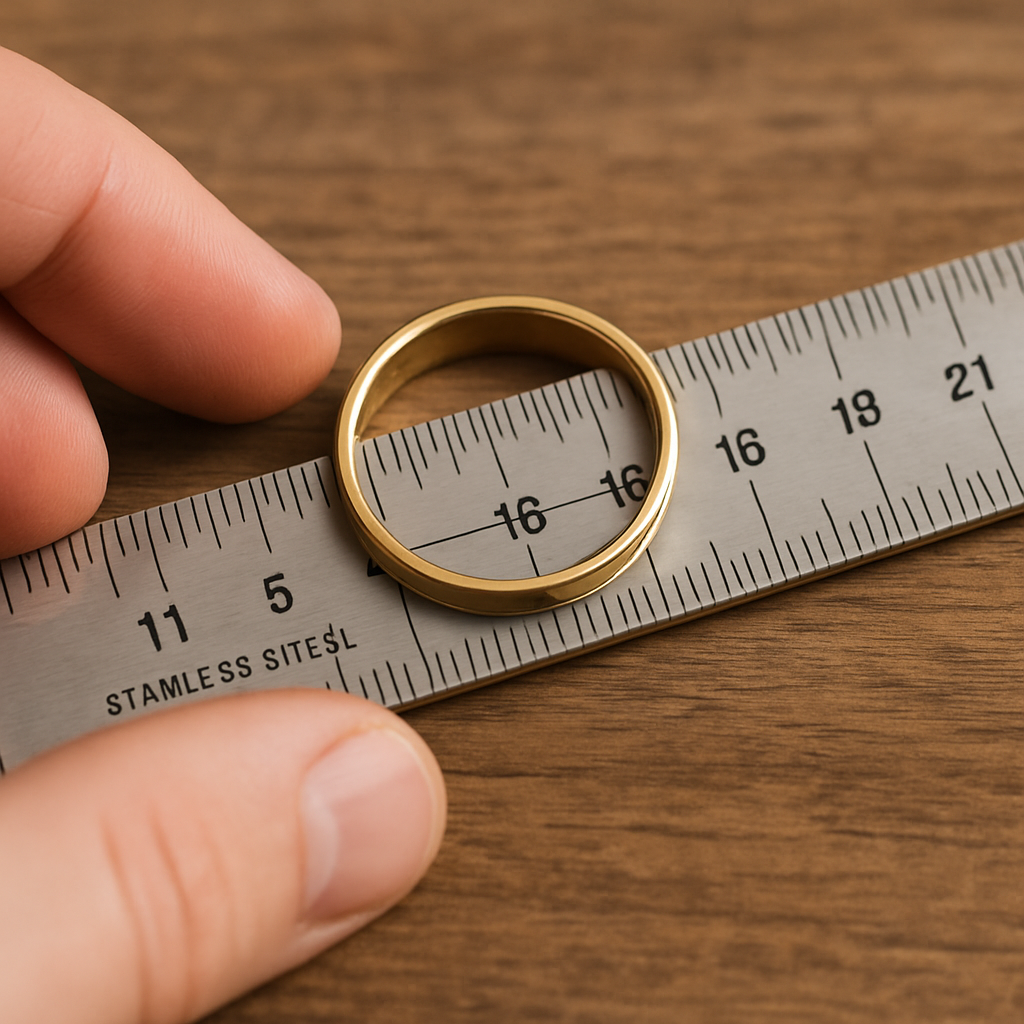
The Healing Powers of Aquamarine: How This Blue Gem Can Calm Your Spirit
Discover the Tranquil Benefits of Aquamarine Jewelry for Inner Peace and Clarity
Aquamarine, with its mesmerizing blue hues, has been treasured for centuries as a symbol of peace, tranquility, and emotional healing. This captivating gemstone is known not only for its beauty but also for its soothing and calming properties, making it a popular choice for those seeking emotional balance and spiritual growth. Whether worn as a ring, necklace, or bracelet, Aquamarine is more than just a stunning accessory—it’s a powerful tool to restore calm and clarity. In this guide, we’ll explore Aquamarine’s healing properties and how incorporating this stone into your jewelry collection can help bring peace to your mind and spirit.
What is Aquamarine?
Aquamarine is a blue variety of the mineral beryl, known for its refreshing, ocean-like color that ranges from pale blue to deep, vibrant blue. Its name comes from the Latin words “aqua marina,” meaning “sea water,” due to its resemblance to the tranquil hues of the ocean. Historically, sailors wore Aquamarine as a talisman to ensure safe voyages, believing it brought protection and calm on the seas.
Found in countries like Brazil, Sri Lanka, and Pakistan, Aquamarine is highly prized for its serene color and association with peace and healing. In addition to being the birthstone for March, Aquamarine is known as the “stone of courage” and is often used to enhance communication, alleviate stress, and promote emotional well-being.
The Healing Benefits of Aquamarine
Aquamarine is more than just a pretty gemstone—it offers a variety of healing properties that can help promote emotional balance, mental clarity, and spiritual growth. Here’s why it’s considered one of the most powerful stones for emotional healing:
1. Calms the Mind and Reduces Stress
Aquamarine is widely known for its calming and soothing energy. It has a gentle vibration that promotes relaxation and reduces stress. If you find yourself overwhelmed or anxious, wearing Aquamarine jewelry—such as a necklace or bracelet—can help create a peaceful environment and bring your mind into a state of tranquility. It encourages a sense of inner calm and serenity, making it a great stone for managing everyday stress.
2. Enhances Communication and Self-Expression
Aquamarine is also known as the stone of clear communication. It encourages honesty, self-expression, and emotional clarity. If you struggle with expressing your thoughts or emotions, Aquamarine can help you communicate more effectively, whether it’s in personal relationships or professional situations. Wearing an Aquamarine necklace or ring, especially near the throat chakra, can help open the communication channels, allowing you to speak your truth with ease.
3. Promotes Emotional Healing
Aquamarine is a gentle yet powerful stone for emotional healing. It can help release old, negative emotions and bring peace to the heart. If you’re carrying emotional burdens, Aquamarine helps to dissolve fear, resentment, and past trauma, allowing you to move forward with a clear heart. The stone’s soothing energy provides comfort and reassurance, making it an excellent choice for those working through grief, emotional challenges, or anxiety.
4. Encourages Courage and Confidence
While Aquamarine is known for its calming energy, it is also associated with courage and confidence. It helps to dispel self-doubt and fear, encouraging you to step forward with a sense of confidence and calm. If you’re facing a challenging situation or major life change, wearing an Aquamarine ring or necklace can give you the courage to take bold steps and move forward fearlessly.
5. Supports Spiritual Growth and Intuition
Aquamarine is also a stone of spiritual clarity, enhancing intuition and the ability to connect with higher consciousness. It is said to stimulate the third eye and throat chakras, promoting insight and spiritual awareness. Wearing Aquamarine jewelry during meditation or spiritual practices can help you deepen your connection to your inner self and the universe.
How to Incorporate Aquamarine Jewelry into Your Life
Aquamarine is not just a beautiful gemstone; it’s a powerful ally in your emotional and spiritual journey. Here are some ways to incorporate Aquamarine jewelry into your daily routine:
1. Aquamarine Rings for Confidence and Emotional Healing
An Aquamarine ring is perfect for those looking to benefit from the stone’s calming energy throughout the day. Wearing it on your fingers helps you access its emotional healing properties and encourages clear, honest communication. Whether worn on the middle finger for balance or the pinky for self-expression, an Aquamarine ring can help you navigate challenging situations with confidence and clarity.
2. Aquamarine Necklaces to Enhance Communication
An Aquamarine necklace worn near the throat chakra can promote better self-expression and clear communication. If you often struggle to speak your truth or express your emotions, this piece of jewelry can serve as a gentle reminder to stay open and honest with yourself and others. It’s a great stone for those in professions where communication is key, such as teaching, writing, or public speaking.
3. Aquamarine Bracelets for Everyday Calm
Aquamarine bracelets offer continuous access to the stone’s calming and healing energy. Wearing a bracelet on your wrist allows you to benefit from Aquamarine’s soothing properties throughout your day. It serves as a quiet reminder to take deep breaths, stay calm, and approach challenges with clarity and grace.
4. Use Aquamarine for Meditation
If you practice meditation, incorporating Aquamarine into your practice can enhance your focus, clarity, and emotional healing. Holding an Aquamarine stone or wearing Aquamarine jewelry during meditation helps clear the mind, deepen your connection to your higher self, and invite peaceful energy into your space.
The Symbolism of Aquamarine in Jewelry
Aquamarine symbolizes calmness, clarity, and the healing power of the sea. In addition to its beauty, Aquamarine jewelry is a powerful tool for fostering emotional balance, spiritual growth, and communication. It’s a meaningful and thoughtful gift for those seeking peace, confidence, and emotional healing, making it an excellent choice for a birthday, anniversary, or personal milestone.
Aquamarine for All Zodiac Signs
Aquamarine is the birthstone of March and is especially beneficial for those born under the signs of Pisces and Aquarius. However, Aquamarine’s soothing and protective qualities make it beneficial for everyone. No matter your zodiac sign, Aquamarine can help you access inner peace, emotional healing, and spiritual clarity.
Conclusion: Embrace the Healing Energy of Aquamarine
Aquamarine is more than just a beautiful gemstone—it’s a stone of emotional healing, clarity, and spiritual growth. By incorporating Aquamarine into your jewelry collection, you can access its calming energy and allow it to guide you through life’s challenges with peace and confidence. Whether worn as a ring, necklace, or bracelet, Aquamarine helps to soothe the mind, enhance communication, and promote emotional balance.
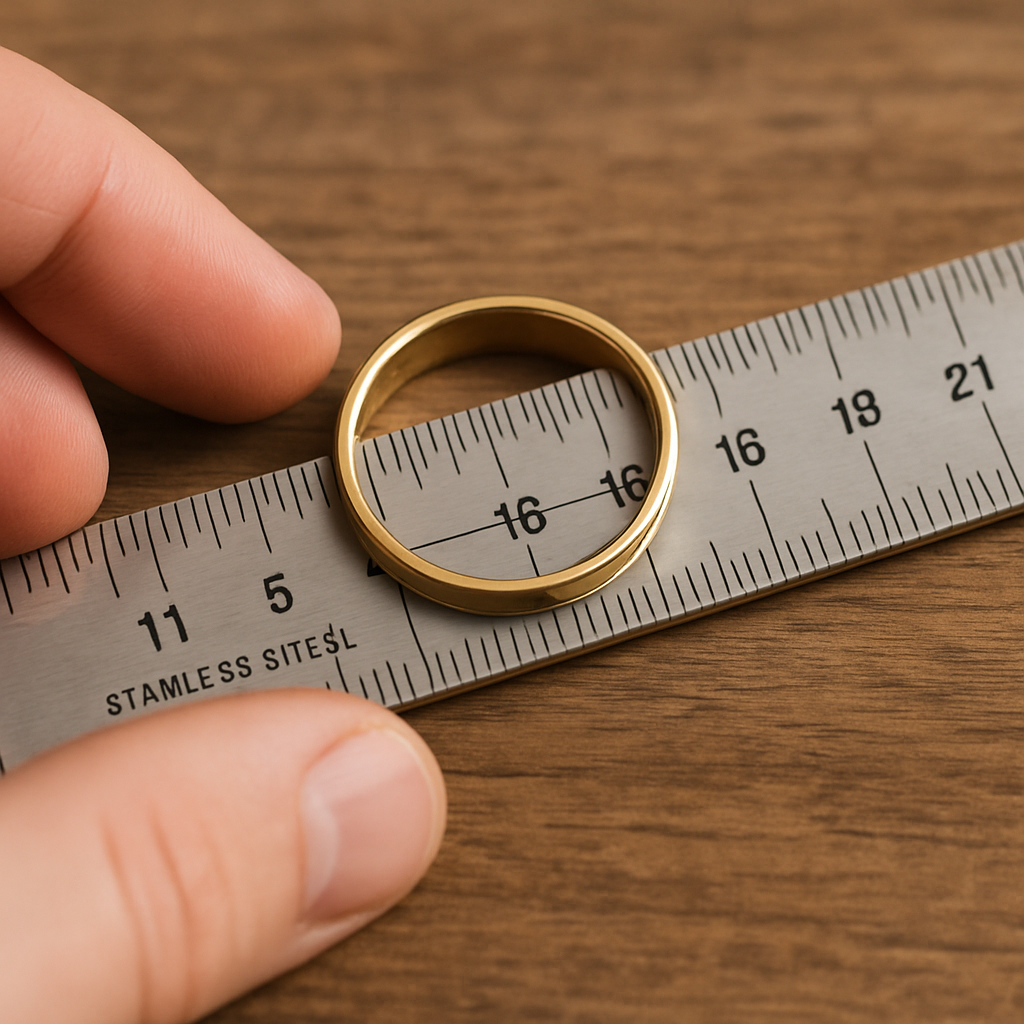
Amethyst: Unlock the Healing Powers of the Purple Gemstone
Discover the Spiritual Benefits and Emotional Healing of Amethyst Jewelry
Amethyst is one of the most beloved and powerful gemstones, renowned for its stunning purple hues and deep spiritual significance. Whether you’re seeking mental clarity, emotional healing, or a deeper connection to your inner self, Amethyst is an exceptional stone to incorporate into your life. In this guide, we’ll explore Amethyst’s healing properties, its connection to spirituality, and how you can incorporate Amethyst rings, necklaces, and bracelets into your jewelry collection for profound benefits.
What is Amethyst?
Amethyst is a striking purple variety of quartz, ranging from light lavender to rich violet shades. It has been highly regarded for centuries and is often associated with royalty and spiritual enlightenment. Historically, Amethyst was worn by ancient rulers and used by spiritual leaders to promote clarity and balance.
Amethyst is found in many parts of the world, including Brazil and Uruguay. Its deep color comes from the presence of iron within the crystal, which gives it that characteristic purple hue. Known for its connection to the Crown Chakra, Amethyst is revered for its calming energy and ability to promote spiritual awareness.
The Healing Benefits of Amethyst
Amethyst is a gemstone that offers profound emotional, mental, and spiritual healing. Here’s why it’s so treasured:
1. Promotes Mental Clarity and Focus
Amethyst is known for its ability to clear the mind and promote mental clarity. It helps dispel confusion and stress, making it an ideal stone for those seeking focus and calm. Wearing Amethyst jewelry can help sharpen concentration, boost memory, and bring mental clarity when you’re facing decision-making challenges.
2. Calms Anxiety and Promotes Emotional Healing
Amethyst has a soothing, calming energy that makes it excellent for alleviating anxiety and stress. Whether you’re dealing with everyday stress or more significant emotional turmoil, Amethyst helps to calm the mind and promote emotional healing. It encourages feelings of peace and serenity, which can help you feel more balanced and centered.
3. Enhances Spiritual Awareness
Amethyst is often referred to as the “Stone of Spirituality.” It is believed to open the Crown Chakra, which is associated with spiritual growth and connection to higher consciousness. Wearing Amethyst jewelry, especially a necklace close to your chest or a ring, can help align your energy with your higher self, deepen your meditation practice, and enhance your intuition. It’s a wonderful stone for those seeking a deeper connection with their spiritual path.
4. Promotes Sleep and Prevents Nightmares
Amethyst has long been associated with peaceful sleep. Its calming energy is believed to ease insomnia, reduce nightmares, and encourage restful sleep. Place an Amethyst crystal under your pillow, or wear an Amethyst ring or bracelet to benefit from its restful energy. It helps to keep the mind at peace, ensuring you wake up feeling refreshed and rejuvenated.
5. Detoxifies and Cleanses the Aura
Amethyst is said to possess detoxifying properties, helping to cleanse both the body and the spirit. It is known to clear negative energy, protect against harmful influences, and promote an overall sense of well-being. Wearing Amethyst jewelry can help cleanse your aura and maintain emotional and physical balance.
How to Incorporate Amethyst Jewelry into Your Life
Amethyst jewelry not only offers stunning beauty but also provides powerful healing energy that can benefit you in various ways. Here are a few ways to incorporate Amethyst into your daily life:
1. Amethyst Rings for Mental Clarity and Focus
An Amethyst ring is a powerful tool for maintaining clarity and concentration. Whether you wear it on your index finger for strength or your thumb for focus, the energy of Amethyst helps promote mental sharpness and decision-making ability. It’s also a great stone for reducing stress, especially if you need something grounding during a busy day.
2. Amethyst Necklaces to Open the Crown Chakra
A necklace featuring Amethyst placed close to the throat and chest areas helps open the Crown Chakra, encouraging spiritual growth and connection to higher consciousness. Wearing an Amethyst necklace will remind you to stay grounded, focused, and aligned with your higher purpose. It’s especially beneficial for meditation and mindfulness practices.
3. Amethyst Bracelets for Calm and Healing
Amethyst bracelets are perfect for those who want to keep the soothing energy of Amethyst close to them throughout the day. Whether worn alone or layered with other bracelets, Amethyst bracelets help to maintain emotional balance, reduce stress, and encourage feelings of peace. They are an ideal way to access Amethyst’s healing properties without having to take the stone off.
4. Meditate with Amethyst Jewelry
To enhance your meditation practice, consider using Amethyst jewelry. Holding an Amethyst ring or wearing a necklace while meditating can help deepen your focus and clarity, while also aligning you with higher spiritual realms. Amethyst promotes a tranquil mind, making it easier to connect with your inner self during meditation.
The Symbolism of Amethyst in Jewelry
Amethyst is more than just a beautiful stone—it’s a symbol of peace, spiritual growth, and protection. Wearing Amethyst jewelry reflects your commitment to personal growth, mental clarity, and emotional well-being. It’s an excellent choice for those looking to bring balance into their lives and connect with their spiritual side.
Amethyst for All Zodiac Signs
Amethyst is the birthstone for February and is especially beneficial for Pisces, Aquarius, and Capricorn. However, the stone’s calming and spiritually enriching properties make it valuable to all zodiac signs. Whether you’re an Air, Earth, Fire, or Water sign, Amethyst helps promote harmony, balance, and protection.
Conclusion: Embrace the Healing Energy of Amethyst
Amethyst is more than just a beautiful gemstone—it’s a powerful tool for mental clarity, emotional healing, and spiritual growth. Whether you wear Amethyst as a ring, necklace, or bracelet, this stone offers a constant reminder to stay balanced, grounded, and connected to your higher self. By incorporating Amethyst into your life, you can unlock its full potential for personal transformation and spiritual enlightenment.
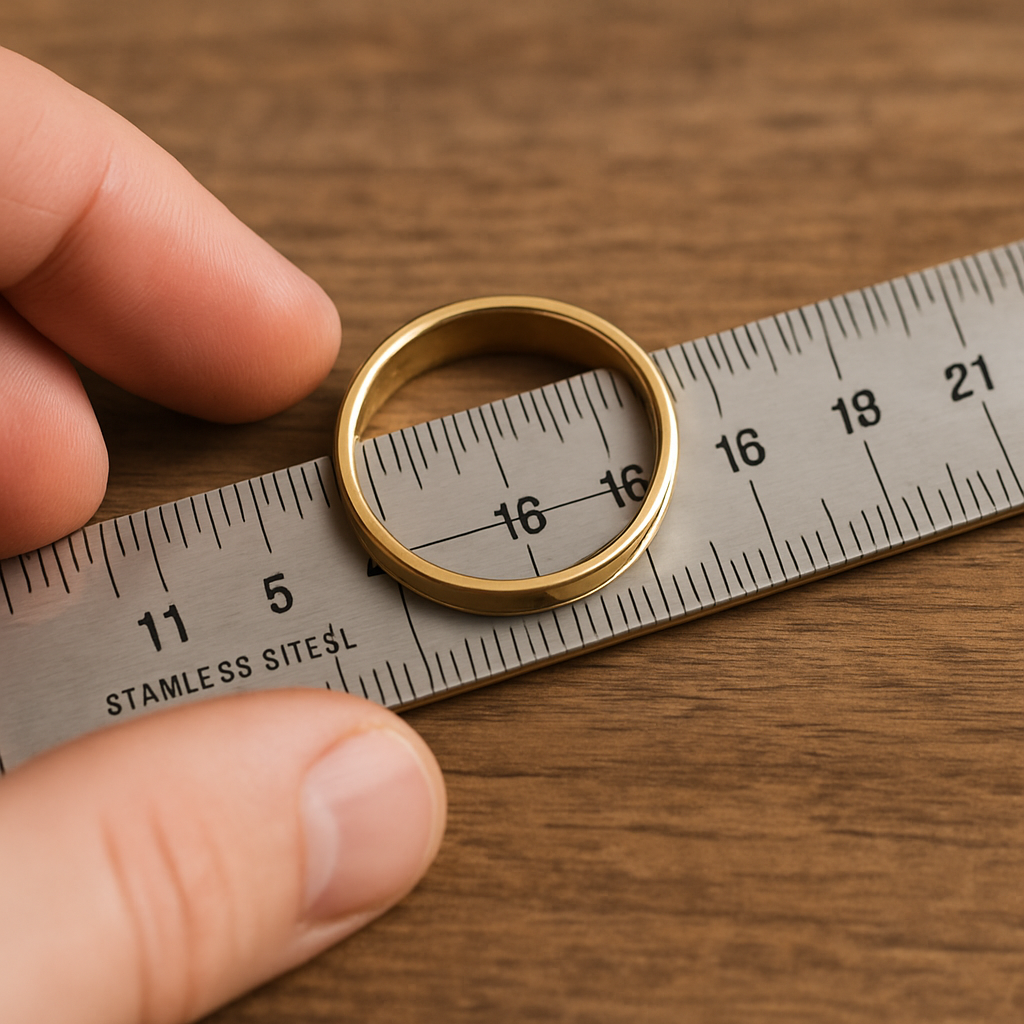
The Healing Powers of Red Garnet: Passion & Vitality
Unlock the Passion, Energy, and Protection of Red Garnet
Red Garnet is a gemstone that exudes passion, strength, and vitality. Known for its rich, deep red hue, Garnet has been used for centuries not only for its beauty but also for its potent metaphysical properties. Whether you’re seeking to enhance your personal energy, attract love, or protect yourself from negative influences, Garnet is a powerful ally. In this guide, we’ll explore the properties, benefits, and ways you can incorporate Garnet jewelry—rings, necklaces, and bracelets—into your life.
What is Red Garnet?
Red Garnet is a group of silicate minerals found in various colors, but it’s the deep red variety that’s most well-known and widely used in jewelry. It has been treasured throughout history, appearing in ancient Egyptian and Roman jewelry. The gemstone’s vibrant red hue is symbolic of energy, passion, and vitality, making it a popular choice for those seeking both beauty and powerful metaphysical properties.
The name “Garnet” comes from the Latin word granatum, meaning “pomegranate,” due to the gemstone’s resemblance to the fruit’s seeds.
The Healing Properties of Red Garnet
Red Garnet is more than just a stunning gemstone—it has several emotional, spiritual, and physical healing properties. Here’s why this fiery stone is so revered:
1. Boosts Vitality and Energy
Garnet is known for its energizing properties. It’s often called the “Stone of Strength” because it can stimulate the body’s physical energy, boosting vitality and endurance. Wearing a Red Garnet ring or bracelet can help you feel more motivated, especially during challenging times.
2. Promotes Passion and Creativity
If you’re looking to spark creativity, motivation, or passion in your life, Garnet is an excellent choice. It’s especially beneficial for artists, entrepreneurs, and anyone who wants to reignite their personal drive. Garnet is said to help channel creative energy, pushing you to pursue your passions with vigor.
3. Enhances Love and Relationships
Red Garnet is often associated with the heart chakra and is known to promote love and compassion. It is said to enhance romantic relationships, helping couples deepen their emotional bonds and reignite the passion in their love lives. Whether worn as a necklace, ring, or bracelet, Garnet strengthens the energy of love, passion, and intimacy.
4. Provides Protection and Grounding
Known for its protective energy, Garnet is also believed to guard against negative energies and protect the wearer from harm. It’s often used to ground emotional energy, offering a sense of safety and stability. Garnet is ideal for those seeking protection, whether in physical, emotional, or spiritual realms.
5. Detoxifies and Promotes Healing
Garnet is said to have a purifying effect on the body, mind, and spirit. It’s believed to detoxify the system, promoting healing and rejuvenation. Wearing Garnet jewelry can help you remove negative energy and cleanse your aura, leaving you feeling refreshed and balanced.
How to Incorporate Red Garnet Jewelry into Your Life
Red Garnet isn’t just a beautiful addition to your jewelry collection; it’s also a tool for harnessing its powerful energies. Here are some ways to incorporate Garnet into your daily life:
1. Wear Garnet Rings for Confidence and Strength
A Garnet ring is an ideal way to stay grounded and empowered throughout your day. The energy of the stone, especially when worn on the left hand (the receiving hand), is said to boost your personal strength and confidence. Whether worn as a statement piece or an everyday accessory, Garnet rings remind you of your inner power.
2. Red Garnet Necklaces to Promote Heartfelt Connections
A Garnet necklace worn near the heart chakra can help you connect to the energies of love, protection, and grounding. It’s perfect for enhancing romantic relationships or strengthening your bond with yourself. Wearing Garnet as a necklace encourages you to stay open-hearted, compassionate, and emotionally strong.
3. Garnet Bracelets for Grounding and Stability
Garnet bracelets are perfect for those seeking emotional stability and protection. Wear them daily to promote grounding energy, or use them as a reminder to stay focused and energized. A Garnet bracelet can help you balance emotions and keep your mind centered in times of stress or change.
4. Meditate with Garnet Jewelry for Focused Energy
If you’re using Garnet for its healing and creative benefits, consider meditating with a piece of Garnet jewelry. Hold a Garnet ring or bracelet while you meditate to tap into the stone’s energizing properties and bring clarity to your mind.
The Symbolism of Red Garnet in Jewelry
Red Garnet has long been associated with passion, love, and vitality. Wearing Garnet jewelry can symbolize strength, courage, and the pursuit of personal growth. It is also a popular gemstone for those born in January, as it is their birthstone and offers protection and positivity for the new year ahead.
Garnet for All Zodiac Signs
While Garnet is particularly beneficial for Capricorns (its ruling sign), its fiery energy resonates with everyone. Whether you’re an Air sign looking to ground yourself, a Water sign needing emotional healing, or a Fire sign wanting to boost your creativity, Garnet offers universal benefits.
Conclusion: Embrace the Strength and Passion of Garnet
Red Garnet is more than just a beautiful gemstone—it’s a powerful tool for boosting energy, creativity, and love while providing protection and grounding. Whether you wear Garnet as a ring, necklace, or bracelet, this stone is a constant reminder to tap into your inner strength and pursue your passions with vigor. By incorporating Garnet into your life, you can harness its full potential for personal transformation and emotional healing.
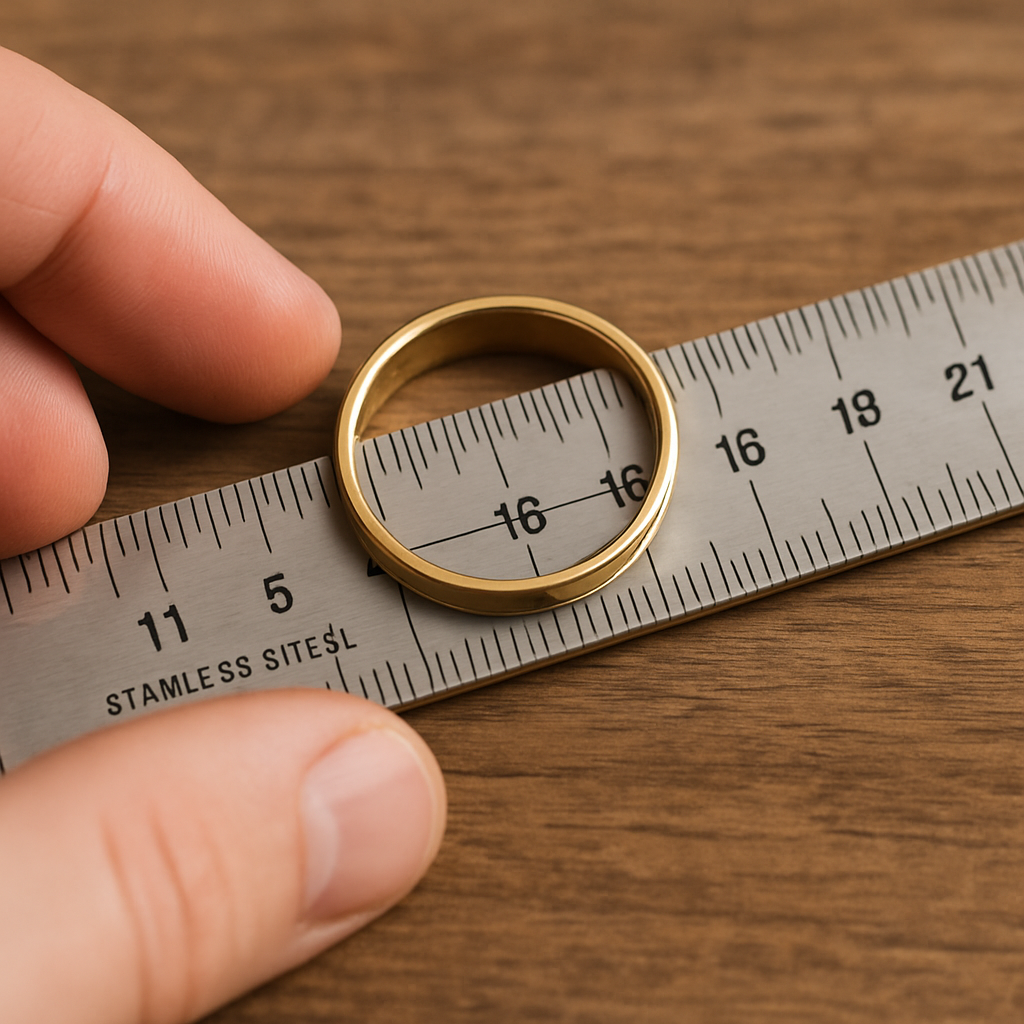
The Healing Powers of Rose Quartz: Love & Emotional Balance
Why Rose Quartz is the Ultimate Stone for Self-Love and Emotional Healing
Known as the “Stone of Love,” Rose Quartz is one of the most cherished and powerful healing crystals. Whether you’re looking to enhance your relationships or deepen your connection to yourself, this beautiful pink gem is a must-have. In this blog, we’ll explore the history, healing properties, and ways you can use Rose Quartz jewelry—whether it’s a ring, bracelet, or necklace—to invite love, emotional balance, and peace into your life.
What is Rose Quartz?
Rose Quartz is a translucent pink variety of quartz that is often associated with love, peace, and emotional healing. Found in various parts of the world, including Brazil, Rose Quartz has a soft, gentle energy that makes it one of the most beloved gemstones for heart-centered healing. It is believed to resonate with the heart chakra, promoting feelings of compassion, kindness, and unconditional love.
The Healing Benefits of Rose Quartz
When it comes to emotional healing, Rose Quartz is unparalleled. Here are some of the key benefits of this powerful stone:
1. Promotes Self-Love and Compassion
Rose Quartz encourages self-love by helping you release negative emotions and embrace yourself fully. Whether you’re healing from past trauma or simply looking to improve your relationship with yourself, wearing Rose Quartz jewelry can act as a daily reminder to practice self-compassion and kindness.
2. Enhances Romantic Relationships
Known for its deep connection to love, Rose Quartz is often used to attract and nurture romantic relationships. It opens the heart to both giving and receiving love, whether it’s love for yourself, family, friends, or a significant other. It’s particularly helpful in healing past emotional wounds from relationships, allowing you to approach new connections with an open heart.
3. Encourages Emotional Healing
Rose Quartz is incredibly supportive when it comes to emotional healing. If you’ve experienced grief, sadness, or heartbreak, wearing Rose Quartz can provide soothing energy, helping to release pent-up emotions and move toward emotional balance. It encourages forgiveness and acceptance, both of others and yourself.
4. Reduces Stress and Anxiety
The calming energy of Rose Quartz can help ease feelings of anxiety and stress. Whether worn as a bracelet, ring, or necklace, it promotes a peaceful and calm state of mind, making it ideal for those going through challenging or stressful situations.
How to Incorporate Rose Quartz Jewelry into Your Life
Rose Quartz isn’t just a beautiful stone—it’s also a powerful tool for personal transformation. Below are some simple ways to incorporate Rose Quartz jewelry into your everyday life:
1. Wear Rose Quartz Rings for Emotional Balance
Wearing a Rose Quartz ring on your finger is a constant reminder to stay balanced and compassionate. The act of touching the stone throughout the day can be grounding, while its energy encourages love and positive vibrations. For added benefit, consider wearing it on the left hand, the side associated with receiving energy.
2. Rose Quartz Necklaces for Heart Healing
A Rose Quartz necklace draped close to your heart can help open and heal the heart chakra. Wearing a necklace keeps the stone near your chest, amplifying its ability to encourage love, emotional balance, and calm. It’s an ideal piece of jewelry for anyone looking to foster compassion and connection in their life.
3. Rose Quartz Bracelets for Everyday Healing
A Rose Quartz bracelet is perfect for daily healing. It can be worn throughout the day, acting as a gentle reminder to stay centered in love and emotional balance. Whether worn alone or stacked with other bracelets, Rose Quartz helps maintain a peaceful and loving energy wherever you go.
4. Meditate with Rose Quartz Jewelry
To enhance the healing power of Rose Quartz, meditate with a piece of jewelry that features this stone. Holding a Rose Quartz ring, necklace, or bracelet while meditating can deepen your connection to your emotional self, helping you release negative emotions and focus on healing.
The Symbolism of Rose Quartz in Jewelry
Beyond its healing properties, Rose Quartz also holds deep symbolism. Wearing Rose Quartz jewelry can be a statement of your commitment to healing, love, and personal growth. Whether it’s a delicate Rose Quartz necklace or a statement ring, the crystal acts as a constant source of support and gentle guidance.
Rose Quartz for All Zodiac Signs
While Rose Quartz is especially beneficial for those with a Taurus or Libra sun sign (both ruled by Venus, the planet of love), its nurturing energy can benefit everyone. Whether you’re an Earth sign seeking grounding energy or a Water sign looking for emotional healing, Rose Quartz is versatile and helpful for all.
Conclusion: Embrace the Power of Rose Quartz
Rose Quartz is more than just a beautiful pink stone—it’s a powerful tool for emotional healing, self-love, and attracting meaningful relationships. By incorporating Rose Quartz jewelry into your daily life, you can align your energy with love, peace, and compassion. Whether you choose a Rose Quartz ring, necklace, or bracelet, you’ll have a beautiful reminder to stay centered in love and emotional balance.
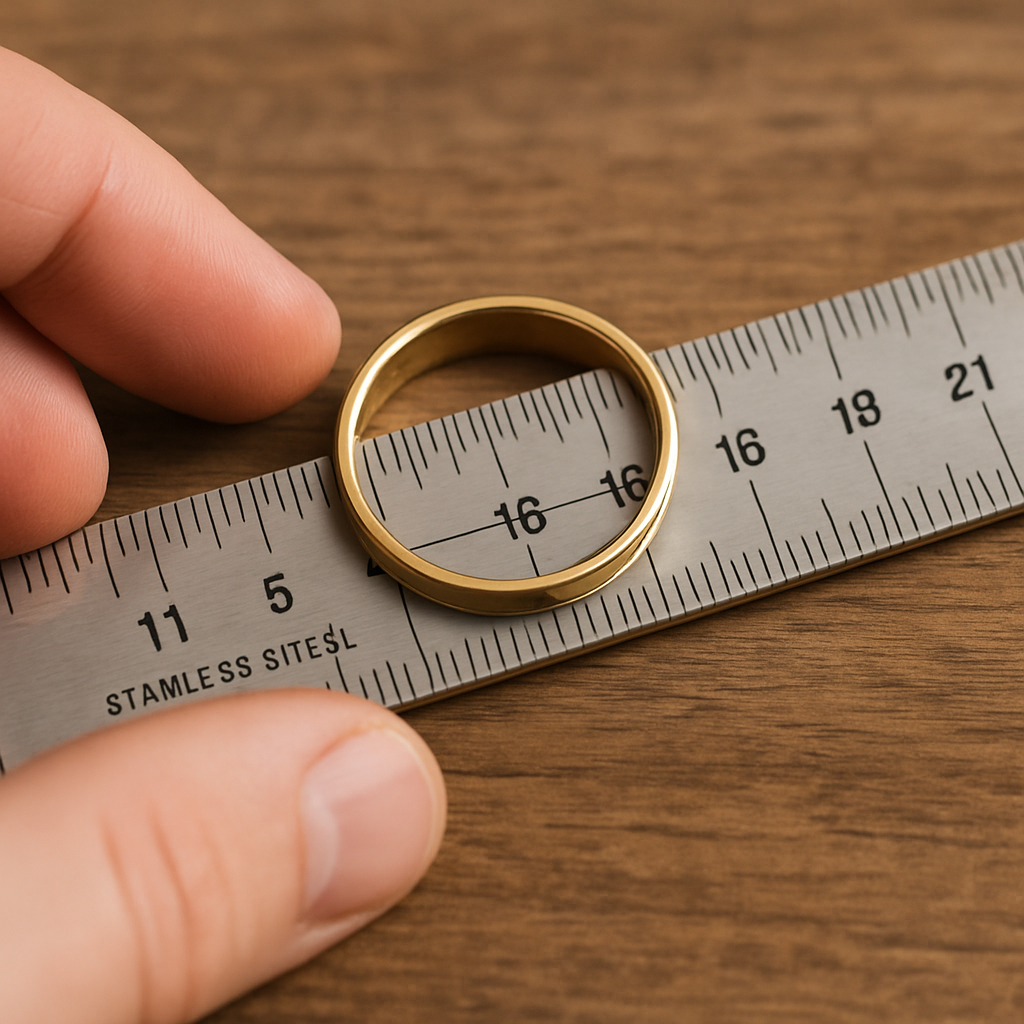
How to Choose the Perfect Crystal for Your Energy
Unlock the Healing Power of Crystals Aligned with Your Intentions
Crystals have been used for centuries to promote healing, balance, and protection. Whether you’re new to the world of gemstones or have a collection of your own, it can be tricky to choose the perfect crystal that aligns with your energy and intentions. In this guide, we’ll help you explore how to select a crystal that resonates with you, supports your emotional needs, and enhances your spiritual journey.
What Are Crystals and How Do They Work?
Crystals are naturally occurring minerals that form under the Earth’s surface over millions of years. They’re believed to hold energetic properties that can be used to support your mental, physical, and spiritual well-being. Each crystal is said to vibrate at a certain frequency, and when you choose one that matches your energy, it can help amplify positive energy while neutralizing negativity.
The power of crystals lies in their ability to work with your energy field (also known as the “aura”). By selecting a crystal that complements your current needs, you can enhance your vibrations and bring about healing, clarity, or calm.
How to Choose the Right Crystal for You
Choosing the perfect crystal requires a little intuition and understanding of your current energy. Here’s a step-by-step guide to help you find the one that aligns with your needs.
1. Set Your Intentions
Before you start browsing for crystals, take a moment to reflect on your goals or needs. Are you seeking emotional healing? Are you looking to manifest abundance or protection? Crystals work best when you have clear intentions, so think about what you need and let that guide you.
2. Trust Your Intuition
When you pick up a crystal, see how it feels in your hand. Does it give you a sense of calm? Does it make you feel energized or connected? Trust your inner guidance. Sometimes the right crystal will almost “call” to you.
3. Understand the Healing Properties
Different crystals carry different energetic properties. Let’s break down a few of the most popular crystals and what they’re known for:
• Amethyst: Known for its calming and balancing properties, perfect for mental clarity and stress relief.
• Rose Quartz: The stone of love, healing, and emotional balance. It’s great for self-love and strengthening relationships.
• Citrine: The stone of abundance, joy, and positivity. It’s said to attract wealth and success.
• Black Tourmaline: Excellent for protection, grounding, and shielding against negative energy.
4. Choose Based on Chakra Needs
Many people choose crystals based on their chakra system, which consists of seven energy centers in the body. Here’s how you can match crystals to each chakra:
- Root Chakra (Base of Spine): Red Jasper, Hematite (for stability and grounding)
- Sacral Chakra (Lower Abdomen): Carnelian, Orange Calcite (for creativity and passion)
- Solar Plexus Chakra (Upper Abdomen): Citrine, Tiger’s Eye (for confidence and personal power)
- Heart Chakra (Chest): Rose Quartz, Green Aventurine (for love and compassion)
- Throat Chakra (Throat): Aquamarine, Lapis Lazuli (for communication and self-expression)
- Third Eye Chakra (Forehead): Amethyst, Sodalite (for intuition and insight)
- Crown Chakra (Top of Head): Clear Quartz, Moonstone (for spiritual connection)
5. Research and Educate Yourself
If you’re drawn to a specific crystal but aren’t sure about its properties, take the time to research it. Every gemstone has a rich history and deep metaphysical meaning, and learning about its energy can enhance your connection to it.
How to Use Your Crystal for Maximum Effect
Once you’ve chosen your crystal, it’s time to put it to work. Here are some tips for incorporating crystals into your daily life:
- Meditation: Hold your crystal in your hand while meditating to enhance focus and clarity.
- Carry It with You: Keep the crystal in your pocket, purse, or wear it as jewelry throughout the day to stay connected to its energy.
- Place It in Your Home: Set crystals in rooms where you need their specific energy. For example, place a Citrine crystal in your workspace to invite abundance and motivation.
- Sleep with It: Keep a crystal under your pillow or near your bed to promote peaceful sleep or to work on specific healing overnight.
Conclusion: Trust Your Journey with Crystals
Choosing the right crystal for your energy isn’t a one-size-fits-all process. It’s a deeply personal journey that connects you with the natural world and your inner self. By following your intuition and understanding the unique properties of each stone, you can find the perfect crystal to help guide, heal, and empower you.
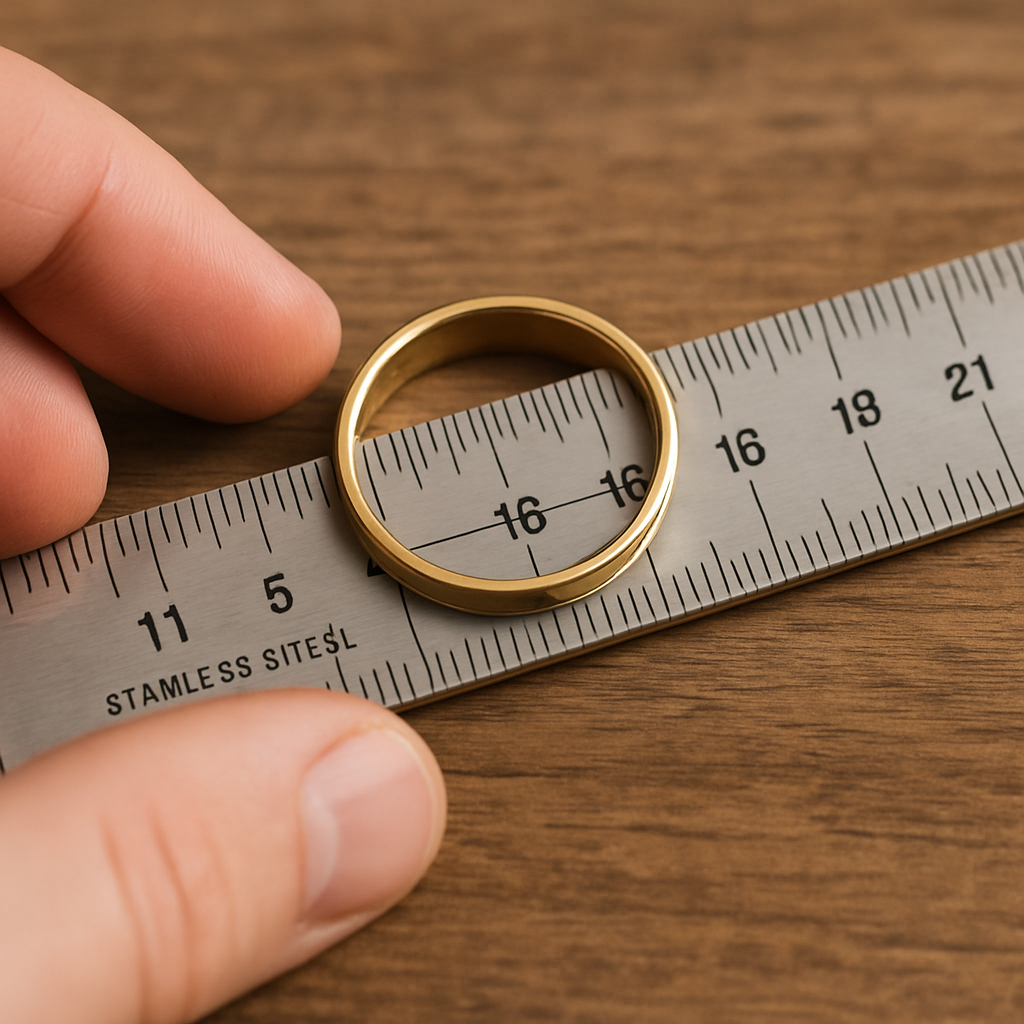
A Guide to Birthstones & Their Unique Meanings
Birthstones have been cherished for centuries, believed to carry unique energies that align with each birth month. Whether you wear them for their beauty or their deeper significance, these gemstones are thought to bring protection, strength, and balance. Let’s explore the history, meaning, and benefits of each birthstone.
January – Garnet: The Stone of Strength & Passion
Meaning: Symbolizing love, vitality, and protection, Garnet is known to ignite passion and inspire confidence.
Benefits: Enhances energy, promotes self-empowerment, and encourages emotional stability.
February – Amethyst: The Stone of Wisdom & Peace
Meaning: Amethyst is a stone of intuition, clarity, and spiritual awareness. It has long been associated with inner peace.
Benefits: Supports relaxation, enhances intuition, and protects against negativity.
March – Aquamarine: The Stone of Tranquility & Courage
Meaning: Resembling the calm sea, Aquamarine is known for bringing clarity, peace, and courage.
Benefits: Encourages emotional balance, reduces stress, and enhances communication.
April – White Quartz: The Stone of Clarity & Energy
Meaning: White Quartz is known as the “Master Healer,” amplifying energy and purifying the mind.
Benefits: Boosts concentration, enhances spiritual growth, and clears negativity.
May – Emerald: The Stone of Love & Renewal
Meaning: Emerald represents rebirth, love, and harmony, making it a symbol of personal growth.
Benefits: Strengthens relationships, promotes wisdom, and enhances prosperity.
June – Moonstone: The Stone of Intuition & New Beginnings
Meaning: A symbol of feminine energy and transformation, Moonstone is connected to the cycles of life.
Benefits: Encourages emotional balance, strengthens intuition, and promotes new opportunities.
July – Ruby: The Stone of Passion & Power
Meaning: A bold and fiery stone, Ruby is associated with love, courage, and vitality.
Benefits: Boosts confidence, increases motivation, and attracts love.
August – Peridot: The Stone of Protection & Positivity
Meaning: Known as the “Stone of the Sun,” Peridot brings happiness, protection, and renewal.
Benefits: Shields against negative energy, boosts motivation, and enhances personal growth.
September – Lapis Lazuli: The Stone of Truth & Wisdom
Meaning: Lapis Lazuli has been prized for centuries as a stone of enlightenment and self-awareness.
Benefits: Encourages self-expression, enhances creativity, and promotes mental clarity.
October – Pink Tourmaline: The Stone of Compassion & Healing
Meaning: A stone of the heart, Pink Tourmaline nurtures love, self-care, and emotional healing.
Benefits: Supports emotional well-being, enhances self-love, and brings inner peace.
November – Citrine: The Stone of Abundance & Joy
Meaning: Citrine is a powerful stone for attracting success, happiness, and positive energy.
Benefits: Encourages confidence, attracts wealth, and enhances optimism.
December – Turquoise: The Stone of Protection & Serenity
Meaning: A symbol of wisdom and good fortune, Turquoise is known for its calming energy.
Benefits: Strengthens communication, promotes healing, and offers spiritual protection.
Find Your Perfect Crystal Birthstone
Wearing your birthstone is a meaningful way to stay connected to your inner energy and personal journey. Whether you choose a ring, necklace, or bracelet, your gemstone serves as a reminder of your unique strengths and qualities.
Discover your perfect birthstone piece today and embrace its powerful energy!
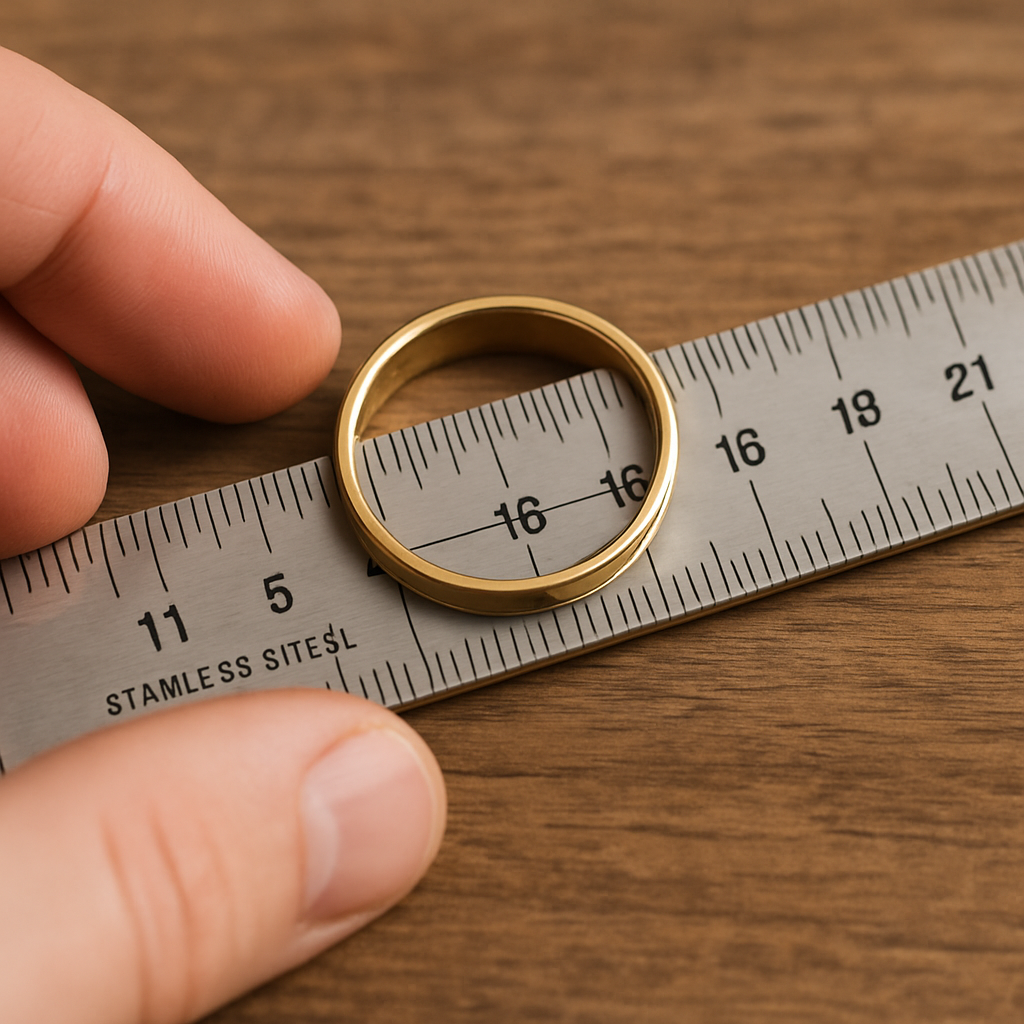
Crystals for Protection: Harnessing Their Power for Everyday Life
In a world filled with stress and uncertainty, protection crystals offer a sense of security and balance. These powerful gemstones have been used for centuries to shield against negative energy, enhance inner strength, and promote emotional well-being. Whether worn as jewelry or placed in your environment, these crystals can serve as your personal energy guardians.
1. Black Obsidian – The Ultimate Shield
Black Obsidian is a powerful grounding stone that absorbs negative energy and protects against emotional and psychic attacks. This crystal is perfect for those seeking stability and clarity in their lives.
How to Use:
• Wear a Black Obsidian ring or bracelet to stay grounded throughout the day.
• Place a Black Obsidian stone near your front door to block negative energy from entering your home.
2. Amethyst – Protection for the Mind and Spirit
Amethyst is known for its calming and protective qualities, making it an excellent choice for mental clarity and spiritual growth. It helps clear negative thoughts and creates a peaceful energy field around you.
How to Use:
• Wear an Amethyst necklace to enhance intuition and protect against stress.
• Keep an Amethyst under your pillow to promote restful sleep and ward off nightmares.
3. Turquoise – A Guardian of Physical Well-Being
Turquoise is a stone of protection and healing, often used as a talisman for travelers. It strengthens the body, mind, and spirit while deflecting harmful energies.
How to Use:
• Wear a Turquoise ring or pendant to maintain emotional balance and protection.
• Carry a Turquoise stone in your bag for safe travels and good fortune.
4. Red Garnet – Protection for Passion and Energy
Red Garnet is a powerful energizing crystal that protects against exhaustion and negative influences. It boosts self-confidence and revitalizes your inner strength.
How to Use:
• Wear a Red Garnet bracelet to maintain high energy levels and motivation.
• Keep a Red Garnet stone on your desk to enhance focus and productivity.
5. Lapis Lazuli – The Protector of Truth and Wisdom
Lapis Lazuli is known for its ability to block psychic attacks and protect against deceit. It enhances self-awareness and promotes honest communication.
How to Use:
• Wear a Lapis Lazuli ring to encourage clear thinking and confidence.
• Place a Lapis Lazuli stone in your workspace to foster integrity and wisdom.
Conclusion
Protection crystals are more than just beautiful gemstones, they are powerful tools that can help you maintain balance, clarity, and security in your daily life. Whether you wear them as jewelry or keep them in your surroundings, these crystals offer a natural shield against negativity. Choose the one that resonates with you and embrace its protective energy today.


